Thousands protest in Mexico City as World Cup opens
Thousands protested as fans packed Estadio Azteca, exposing anger over teachers' pay, pensions and Mexico's 130,000 missing people on World Cup day.
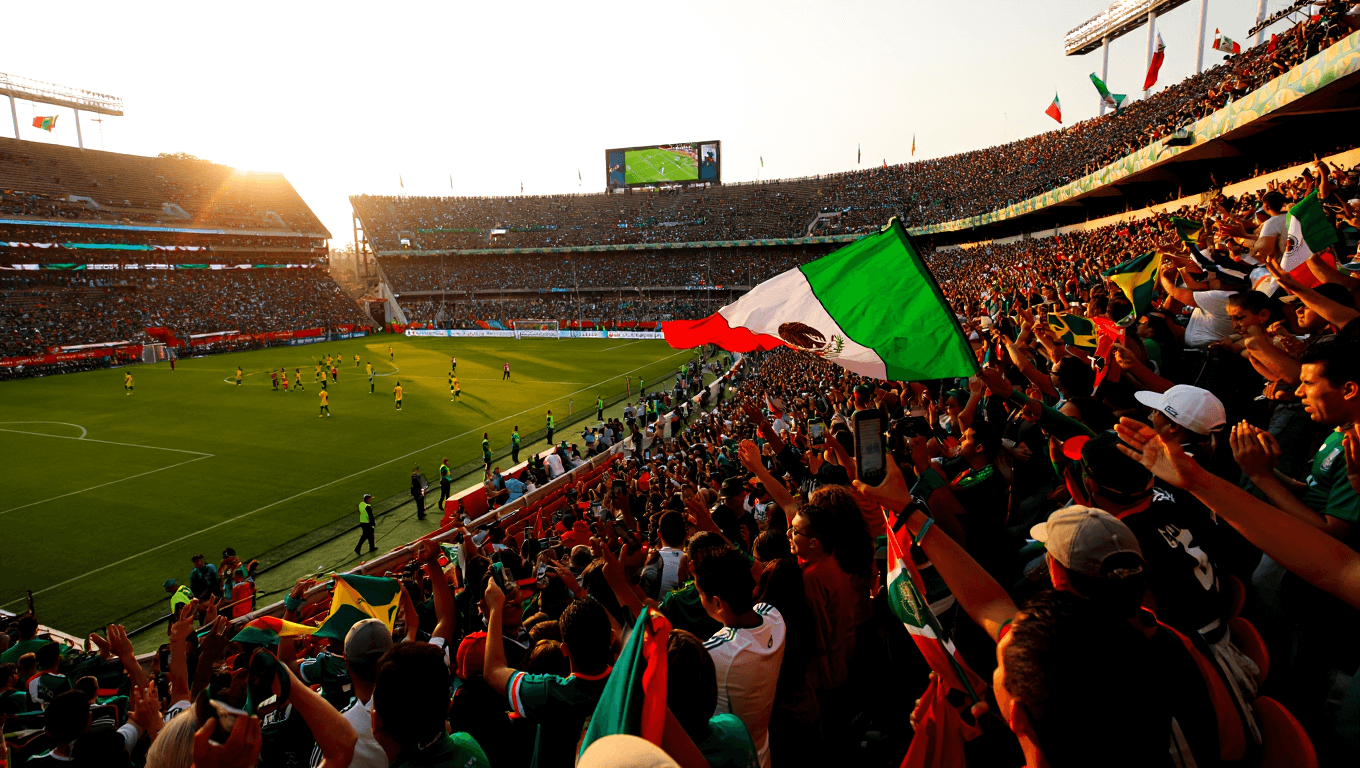
Thousands of protesters filled Mexico City as Estadio Azteca opened its gates for the World Cup, turning the capital into a split-screen of celebration and dissent. Fans packed the stadium for Mexico’s opener against South Africa while barricades, heavy security and road blockades reflected weeks of anger over pay, pensions and the country’s disappearance crisis.
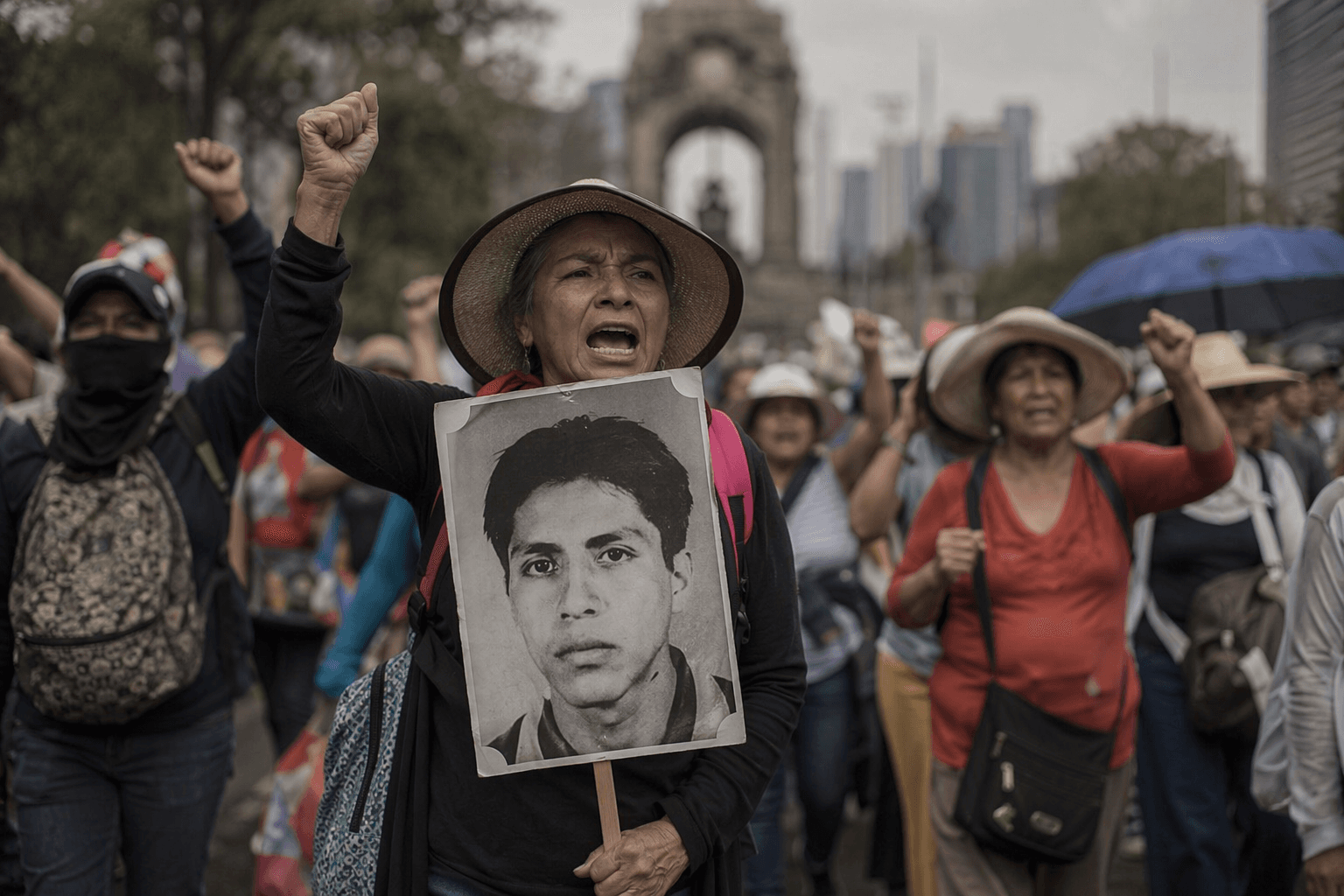
The demonstrations appeared largely peaceful, even as officials braced for disruption in a city of about 9 million people. At least six protests were planned on Thursday, and the groups behind them included teachers, families of Mexico’s 130,000 missing people, animal rights activists and other movements pressing demands on President Claudia Sheinbaum’s government.
The opening match took place at a venue with its own place in tournament history. Estadio Azteca became the first stadium to host matches across three World Cups, and Mexico last staged the tournament in 1986. Fans arrived well before kickoff, and long queues wrapped around the stadium as the country joined the United States and Canada in co-hosting the event.
The tension outside the arena reflected broader grievances that had been building for days. Teachers linked to the dissident CNTE wing of Mexico’s national teachers’ union demanded better pay, improved retirement benefits and the repeal of a 2007 pension and social security reform for public-sector workers. Some protests blocked major roads, toppled World Cup player statues and, in some cases, moved toward the stadium. In the days before the opener, protesters also broke into a government building, underscoring how quickly the unrest had spilled beyond a single march.
Sheinbaum said on Wednesday that it was unclear whether the Zocalo could host the city’s free fan festival because a teachers’ protest camp had blocked access to the square. She said 18 other venues were available for free viewing if the plaza could not be used. On the eve of the opener, authorities barricaded the Zocalo entrance, while businesses along Mexico City’s main avenue put up steel barriers to protect themselves from possible rioters.
The stakes around the tournament are enormous. The Mexican Football Federation expects the World Cup to bring in about $3 billion for hotels, restaurants and sports venues, even as critics say the government is prioritizing stadium-facing celebrations over urgent social needs. For many families carrying flyers for the missing, the opening day made the contrast impossible to ignore: a global spectacle on one side of the city, and unresolved grief and protest on the other.
This article was produced by Prism’s automated news system from verified source data, official records, and press releases, then run through automated quality and moderation checks before publishing. The system is built and supervised by the people who set the standards it runs under. Read our full AI policy.
Know something we missed? Have a correction or additional information?
Submit a Tip