Three in four Afghans cannot meet basic needs, UN says
Nearly three in four Afghans cannot meet basic needs, as mass returns, drought and aid cuts push 28 million people deeper into poverty.
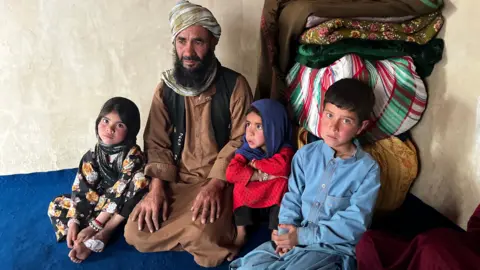
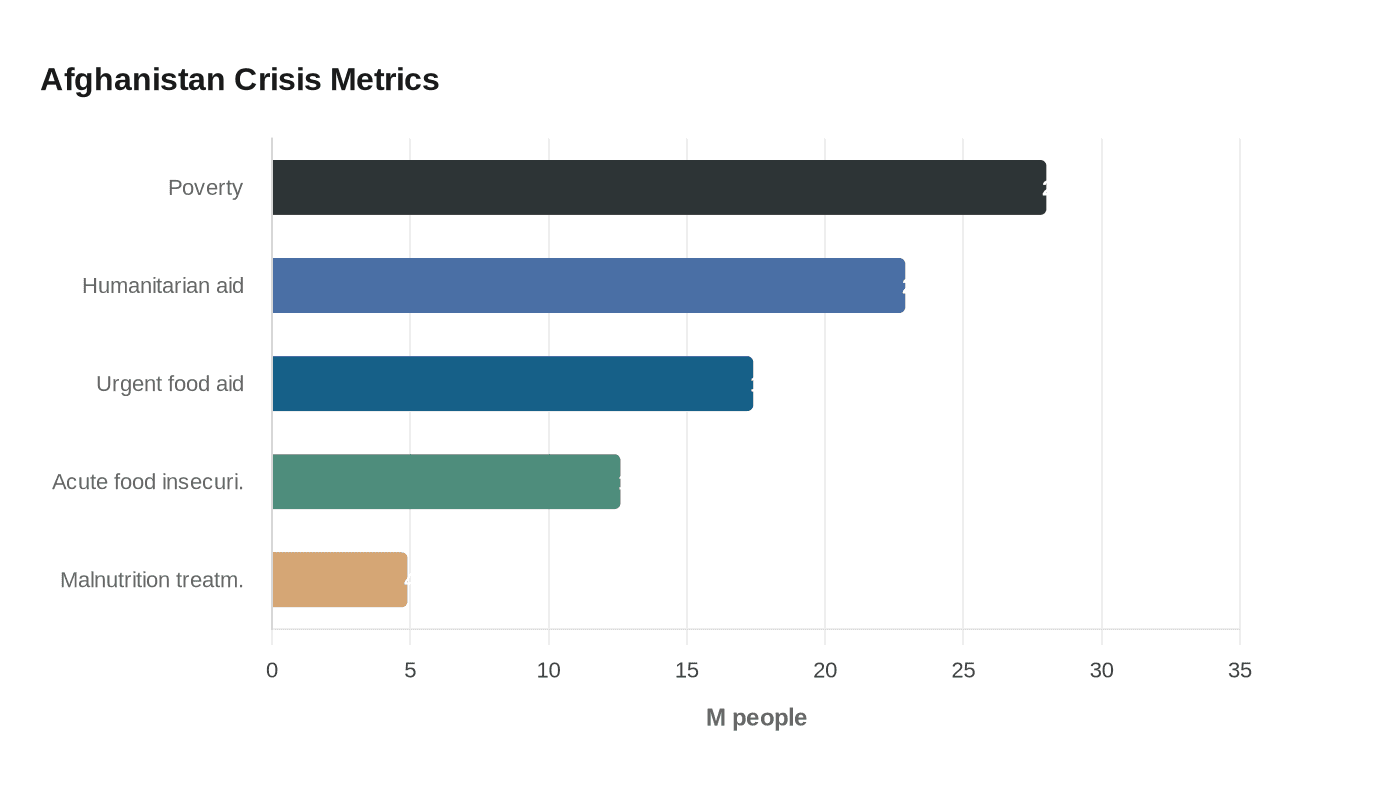
Nearly three in four Afghans cannot meet their most basic needs, a measure of how far the country’s survival systems have collapsed under poverty, drought, aid cuts and mounting pressure from mass returns. The United Nations Development Programme said around 28 million people were living in poverty in 2025, even as economic recovery remained fragile.
The crisis is not confined to one sector. The World Bank said Afghanistan’s economy grew by 2.5 percent in 2024 and projected 4.3 percent growth in 2025, but warned that poverty and food insecurity remained severe. Humanitarian agencies said the gap between macroeconomic movement and daily life is enormous: UNICEF said 22.9 million people needed humanitarian assistance in 2025, including 12.4 million children, while the World Food Programme said 17.4 million people needed urgent food assistance and 4.9 million women and children were expected to require treatment for malnutrition.
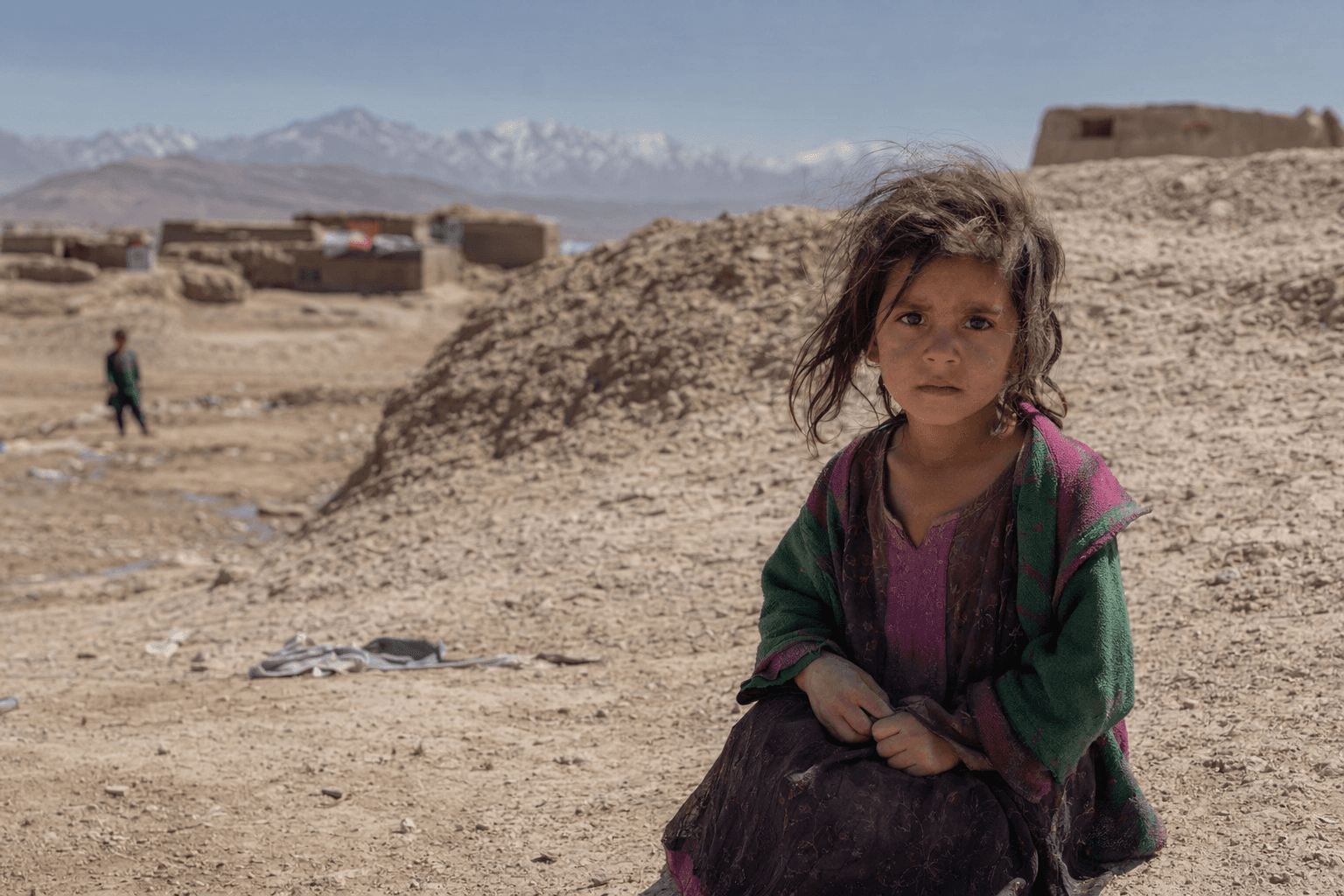
Food insecurity has already reached alarming levels. UNICEF said 12.6 million Afghans faced acute food insecurity between March and April 2025, including 1.95 million in Emergency, or IPC Phase 4, and 10.64 million in Crisis, or IPC Phase 3. The World Food Programme said about 15 million people face severe hunger without support, eight in 10 families cannot afford a minimally nutritious diet, and three in four families must borrow money to buy basic groceries.
The pressure has intensified as neighboring countries push more Afghans back across the border. UNHCR said Pakistan announced on March 7, 2025, that Afghan Citizenship Card holders had until March 31 to return voluntarily or face deportation from April 1. More than 230,500 Afghans had returned from Pakistan since April by early June, and the International Organization for Migration said more than 4 million Afghans had returned from Iran and Pakistan since September 2023, including more than 1.5 million in 2025 alone.
Those returns are landing in a country where the deepest hardship is falling on rural communities, female-headed households, internally displaced people and recent returnees. UNICEF said Afghanistan’s humanitarian emergency is also a child rights crisis, with children forced into hazardous labor, child marriage and dangerous border crossings just to help families put food on the table. UNICEF says child marriage is illegal but widespread, with one third of Afghan girls marrying before age 18.
Taken together, the figures show a country where wages, aid and coping mechanisms no longer match the scale of need. For millions of Afghan families, scarcity has become routine, and the international response has not kept pace with the speed of the collapse.
Know something we missed? Have a correction or additional information?
Submit a Tip