Three Palestinians Killed in Khan Younis as Ceasefire Shows Strains
Local health authorities say Israeli forces shot and killed at least three Palestinians in separate incidents around Khan Younis on Jan. 4, underscoring persistent violence despite a ceasefire that took effect in October 2025. The deaths highlight ongoing humanitarian instability in Gaza and raise fresh questions about the ceasefire's durability and the economic costs of protracted insecurity.
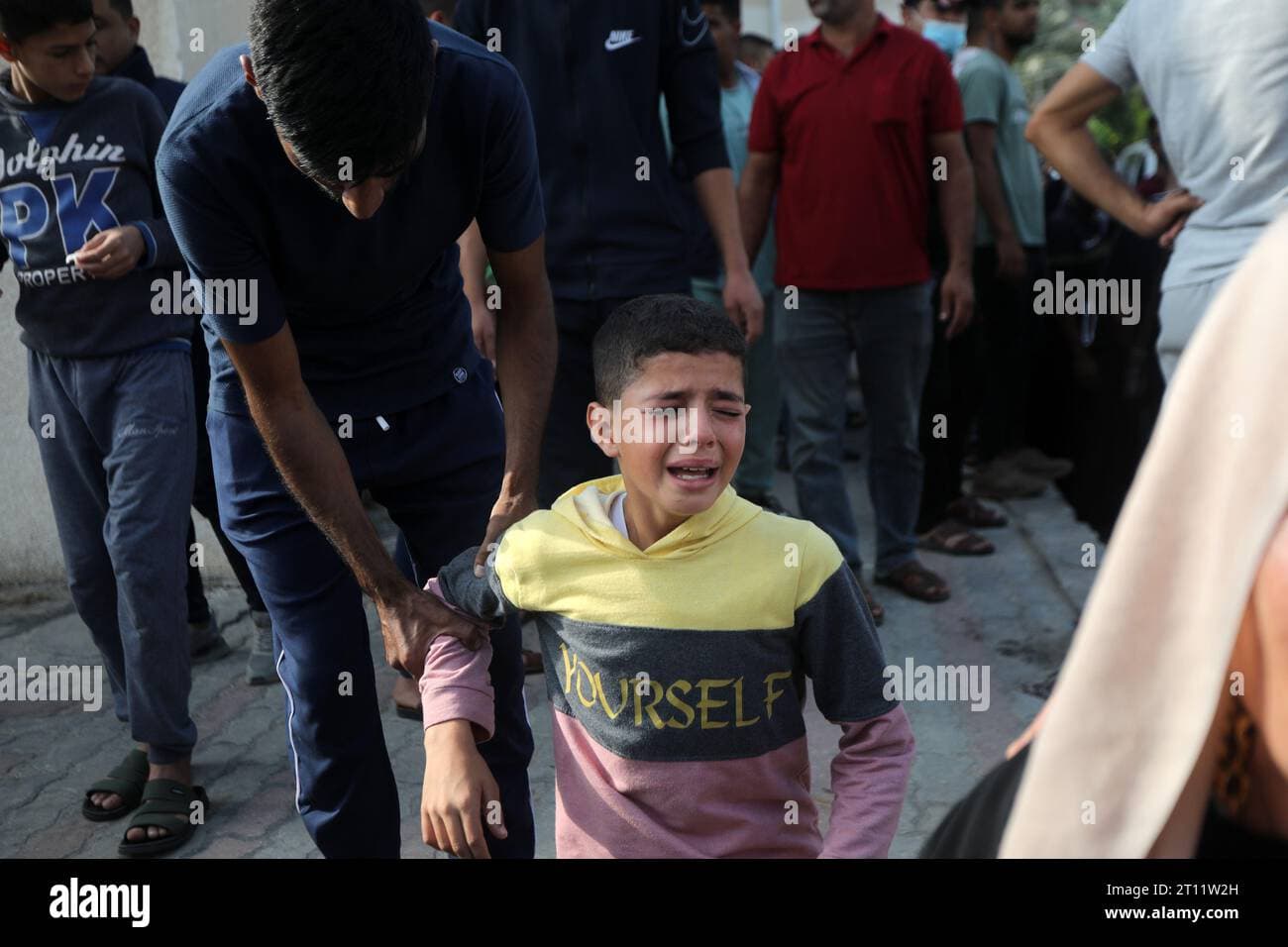
Local Palestinian health authorities and medics reported that Israeli forces shot and killed at least three Palestinians in separate incidents around Khan Younis on Jan. 4, continuing a pattern of lethal encounters in the southern Gaza Strip. The victims identified by health officials included a 15-year-old boy, a fisherman described as having been killed outside areas still occupied by Israel in the enclave, and a third man said to have been shot east of Khan Younis in territory described as under Israeli control. No names or additional personal details were released.
Israeli military spokespeople did not immediately comment on the incidents. The accounts provided by local medics have not been independently verified on scene, and the reporting does not include a detailed timeline, forensic evidence, or third-party witness corroboration. Gaza’s health ministry figures, cited by local authorities, say 420 Palestinians have been killed since the ceasefire took effect in October 2025; those figures also report that militants have killed three Israeli soldiers in the same period.
The killings come against a backdrop of ongoing Israeli strikes and a humanitarian crisis that has displaced large numbers of people within Gaza. Photographs and reporting from recent weeks have shown displaced Palestinians sheltering in tent camps around Khan Younis, a reminder that civilian vulnerability and infrastructure damage remain acute. For local residents and humanitarian agencies, each new death compounds the logistical and emotional toll of prolonged displacement and restricted access to essential services.
Beyond the immediate human cost, the incidents carry broader policy and economic implications. A fragile ceasefire that does not prevent recurring violence increases uncertainty for international aid planning and reconstruction budgeting. Donor governments and humanitarian organizations face the prospect of higher emergency financing needs if instability continues to impede aid delivery and prolongs displacement. In Gaza’s battered local economy, recurrent insecurity suppresses commerce, fisheries and agriculture, deepening poverty and eroding prospects for recovery.
Regional markets typically respond to escalations that threaten wider conflict, lifting risk premia and weighing on investor sentiment in nearby financial centers. While a single day of violence does not automatically trigger market moves, sustained instability can raise costs for Israel in the form of higher defense spending, insurance premiums for regional trade, and potential disruptions to trade corridors. For global policymakers, the persistence of deadly incidents underlines the challenge of translating ceasefire declarations into durable security arrangements that permit reconstruction and economic normalization.
The lack of independent verification and the absence of official comment leave key questions unanswered about the circumstances of the shootings. International and humanitarian actors will be watching whether authorities establish transparent investigations and whether measures to reduce civilian harm are strengthened. Until credible, sustained mechanisms for de-escalation and protection of civilians are in place, isolated episodes of violence are likely to continue imposing steep human and economic costs across Gaza.
This article was produced by Prism’s automated news system from verified source data, official records, and press releases, then run through automated quality and moderation checks before publishing. The system is built and supervised by the people who set the standards it runs under. Read our full AI policy.
Did this article answer your question?