Tinubu secures APC nomination for 2027 reelection bid in landslide
Tinubu’s landslide APC primary cements a 2027 reelection bid as inflation, poverty and a dominant ruling machine shape a lopsided race.
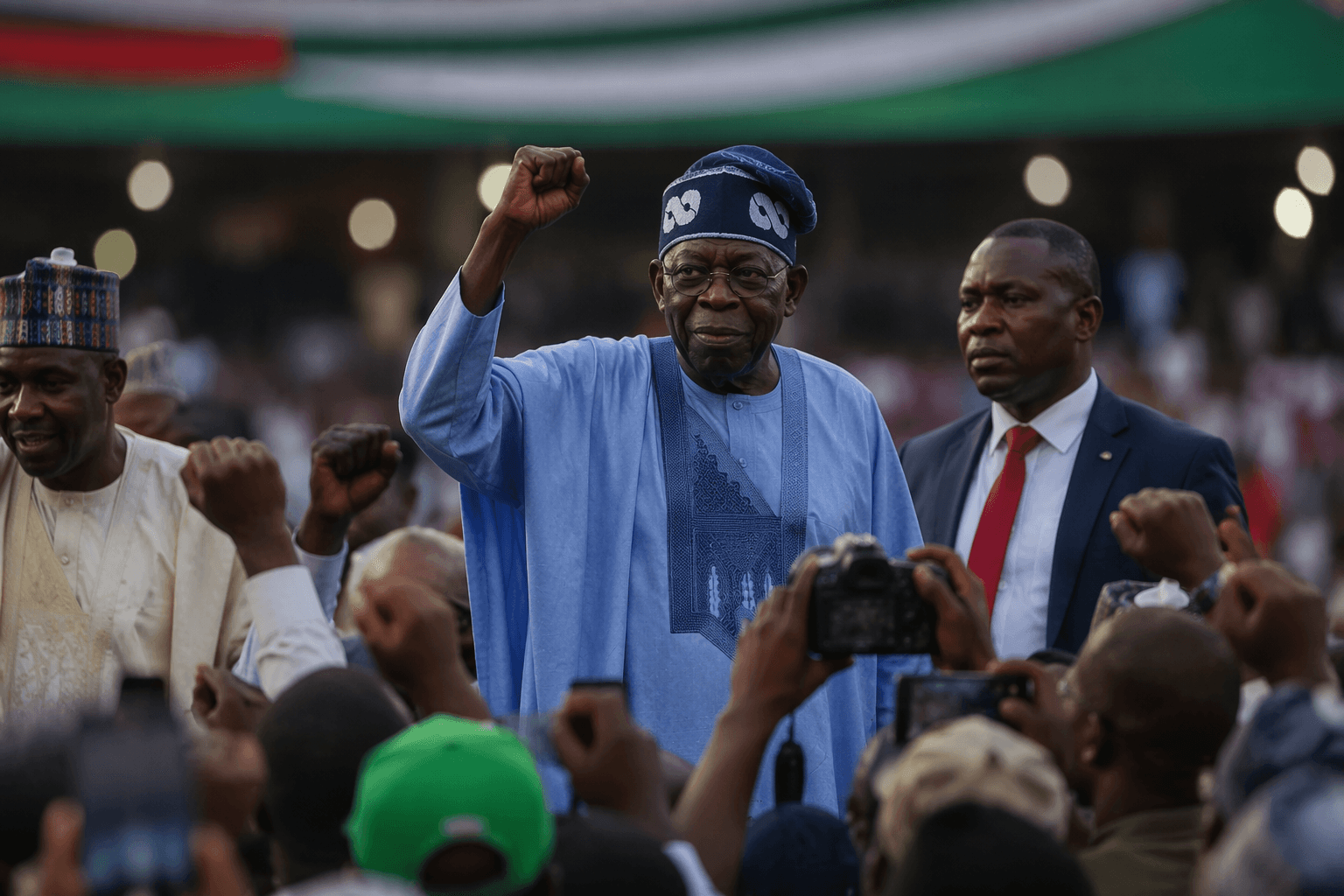
Bola Ahmed Tinubu’s overwhelming APC primary victory has turned the 2027 presidential contest into a formal reelection campaign long before voters go to the polls, with the incumbent facing a country still strained by inflation, deepening poverty and doubts about how competitive the race can be.
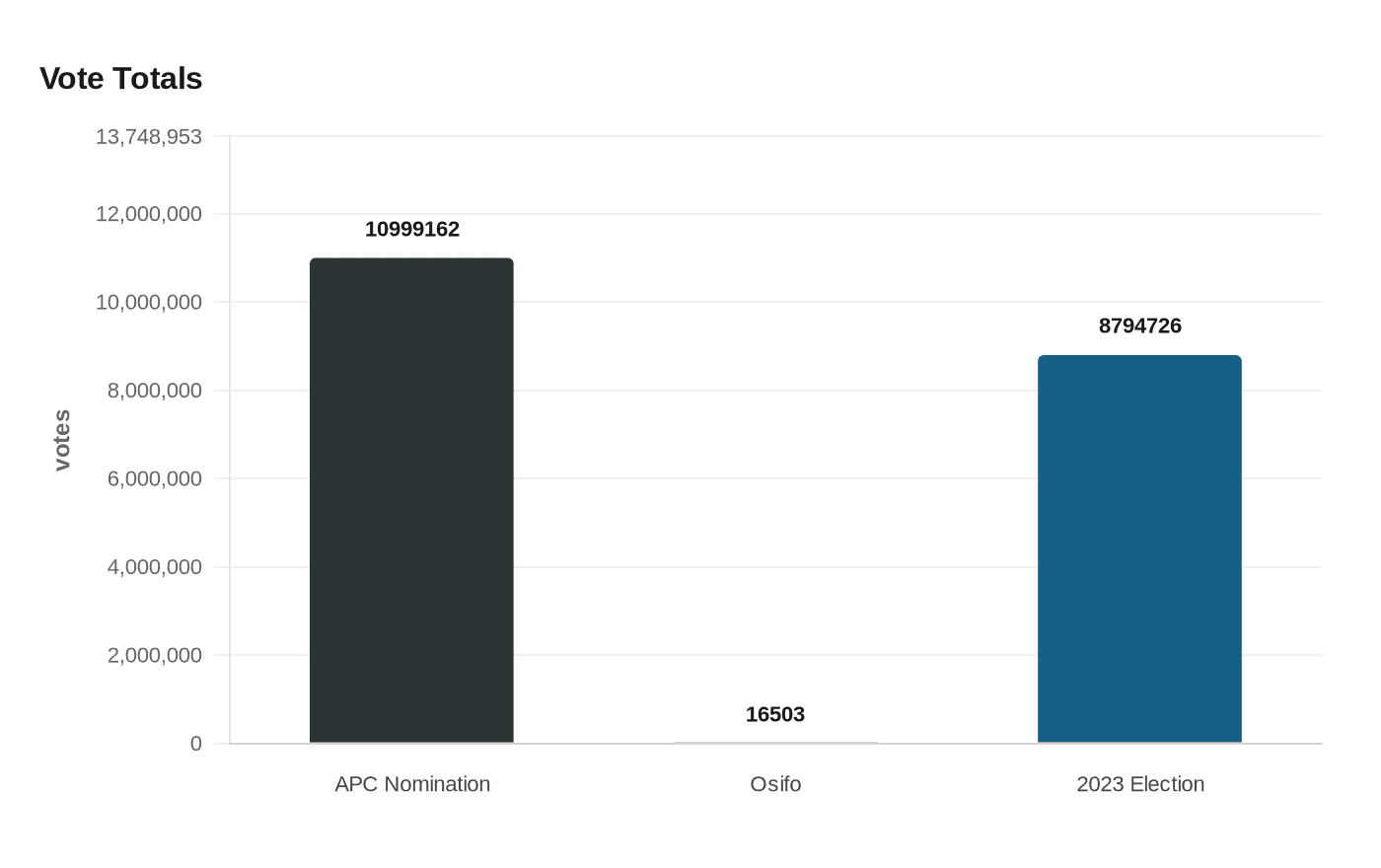
Tinubu won the All Progressives Congress nomination with 10,999,162 votes, while his only challenger, businessman Stanley Osifo, received 16,503. Former Senate President Pius Anyim supervised the collation and announcement of the result in Abuja, making the scale of the president’s internal support unmistakable. Osifo reportedly paid N100 million, about $73,000, for the nomination form, a steep entry fee for a contest that never came close to threatening the president.
The result confirms what has been building inside the ruling party for months. The APC endorsed Tinubu for a second term in May 2025, and the party has since expanded its reach to 31 of Nigeria’s 36 states, including 31 state governorships after a wave of defections. That breadth of control gives Tinubu a powerful organizational advantage as the January 2027 presidential race approaches, even as opposition parties prepare to choose their own nominees in the coming days.
Tinubu entered office on May 29, 2023, after winning the 2023 presidential election with 8,794,726 votes. His second-term push now unfolds against the economic pain that has defined much of his presidency. His administration removed fuel subsidies and liberalized foreign exchange in an effort to stabilize the economy and restore investor confidence, but those reforms also triggered sharp hardship for households already under strain.
Nigeria’s headline inflation stood at 15.69% in April 2026, according to the National Bureau of Statistics. The World Bank said inflation had slowed to 15.1% by February 2026, but it also warned that an additional 10 million Nigerians fell into extreme poverty in 2025, lifting the share of people below the international poverty line to 50.9% from 47.7% in 2024. The bank estimates that about 60% of Nigerians now live in poverty, roughly four percentage points higher than when Tinubu took office. Fuel prices have quadrupled in four years, deepening anger over the cost of living.
Tinubu used his acceptance speech in Abuja on Sunday, May 24, 2026, to acknowledge the hardship many citizens have endured and to pledge deeper reforms. He said he bore no grudge against Osifo and signaled openness to dialogue with critics, while state media and local outlets reported that he cast another term as necessary to put Nigeria on an “irreversible path” of economic expansion and democratic consolidation. For now, the APC’s machinery and Tinubu’s grip on the party make him the clear favorite, but the 2027 race will still test whether political dominance can outweigh the lived reality of economic distress.
Know something we missed? Have a correction or additional information?
Submit a Tip