Tiny-home village idea rises after shelter model reduces overdoses
Lighthouse Mission saw fewer onsite incidents and overdoses after shifting to a layered shelter model. Whatcom County is considering a 30-unit tiny-home village with about $3.5M startup.
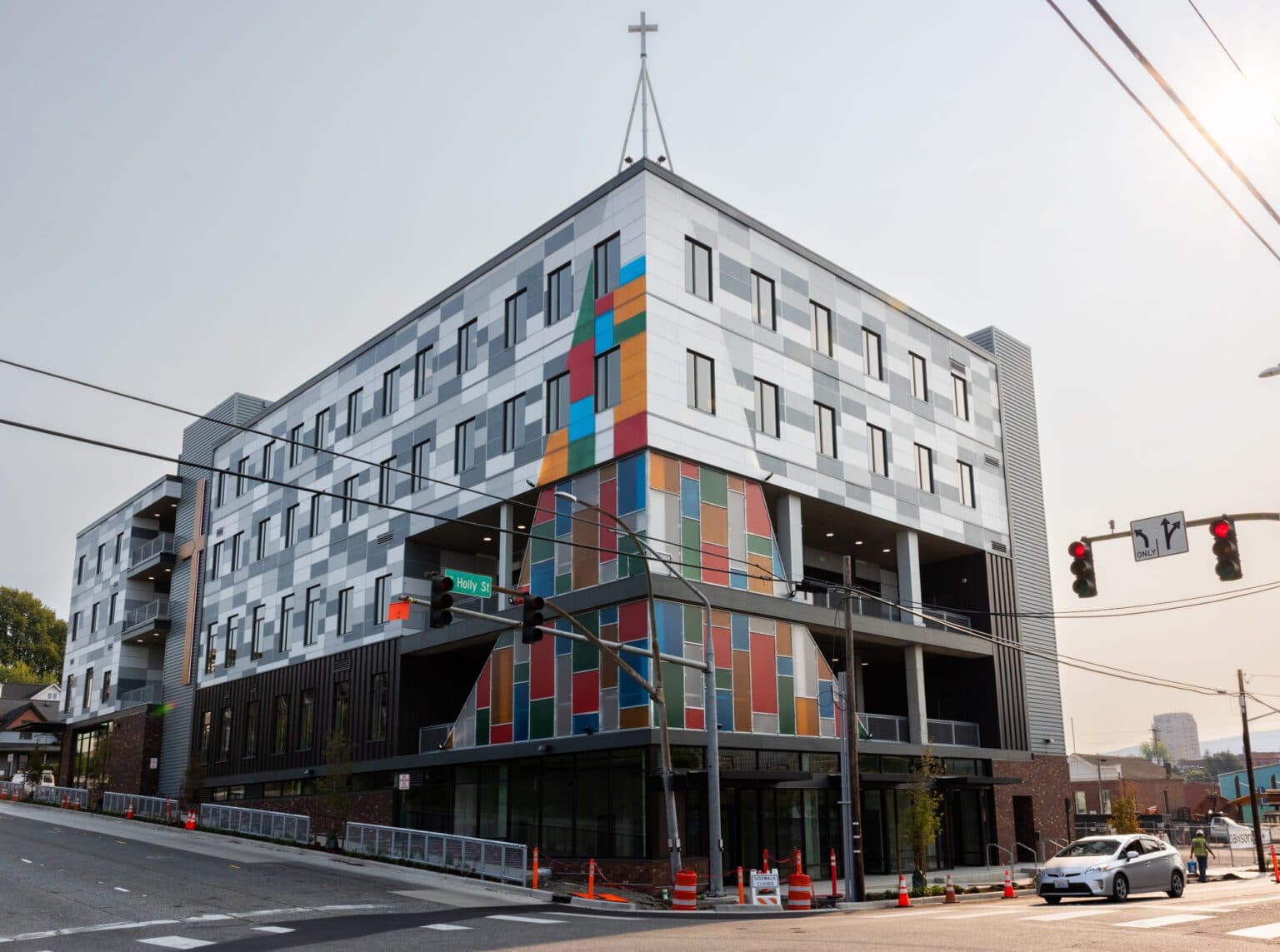
Lighthouse Mission’s shift to a layered shelter model in Bellingham produced measurable declines in onsite incidents and overdoses, a development that has renewed interest in tiny-home solutions as one tool for expanding shelter capacity. The Mission’s approach blends immediate low-barrier access with stepped services, and local leaders are now weighing a proposed 30-unit tiny-home microcommunity as part of a broader shelter strategy.
The Mission’s one-year transition created several operational layers: an emergency low-barrier shelter for rapid intake, an enhanced shelter that pairs sleeping space with casework support, discrete family units, and a medical respite component for people leaving hospitals. Staff and county officials reported fewer critical incidents and reduced overdose responses within the facility since the change, outcomes that community members and tiny-house advocates will find encouraging because they speak to how program design affects safety and health outcomes.
Whatcom County has evaluated multiple expansion options, and one scenario on the table is a 30-unit low-barrier tiny-home village. Cost estimates for that microcommunity come in at roughly $3.5 million in startup expenses and about $1 million annually to operate. Those figures include infrastructure, site preparation, unit construction, and the staffing and services needed to run a low-barrier program that emphasizes casework and medical follow-up.
Tiny-home villages are being framed as a complement to other shelter types rather than a standalone fix. County officials and Mission staff emphasized that tiny-home units can add capacity and dignity when paired with on-site services, but they also flagged funding, staffing, zoning, and long-term maintenance as key hurdles. Operational realities include 24/7 security or outreach coverage, clinical support for medical respite beds, and consistent case management to link residents with housing and benefits—factors that drive the estimated $1 million yearly operating budget.

For the tiny-house community, the practical takeaways are clear. Design decisions—unit size, shared amenities, sanitation infrastructure, and weatherization—must align with the level of services planned. Partnering with health providers for medical respite, building in flexible common spaces for casework, and planning for a sustainable funding stream are essential. Site selection will influence permitting timelines and neighborhood reception, so early engagement with local officials and neighbors can smooth the process.
The takeaway? Tiny homes can shrink the footprint of homelessness but not the need for services. If you’re excited about tiny-home villages, focus on the details that make them work: durable units, integrated casework, reliable funding, and good neighbor outreach. Our two cents? Build with services in mind, not just shelter—tiny homes shine when they’re part of a care-first microcommunity.
Sources:
Know something we missed? Have a correction or additional information?
Submit a Tip