Tiny Homes on Wheels Filling Big Housing Gap in Portland
Tiny homes on wheels are filling housing gaps in Portland by offering faster, lower-cost backyard housing that bypasses building-permit red tape.
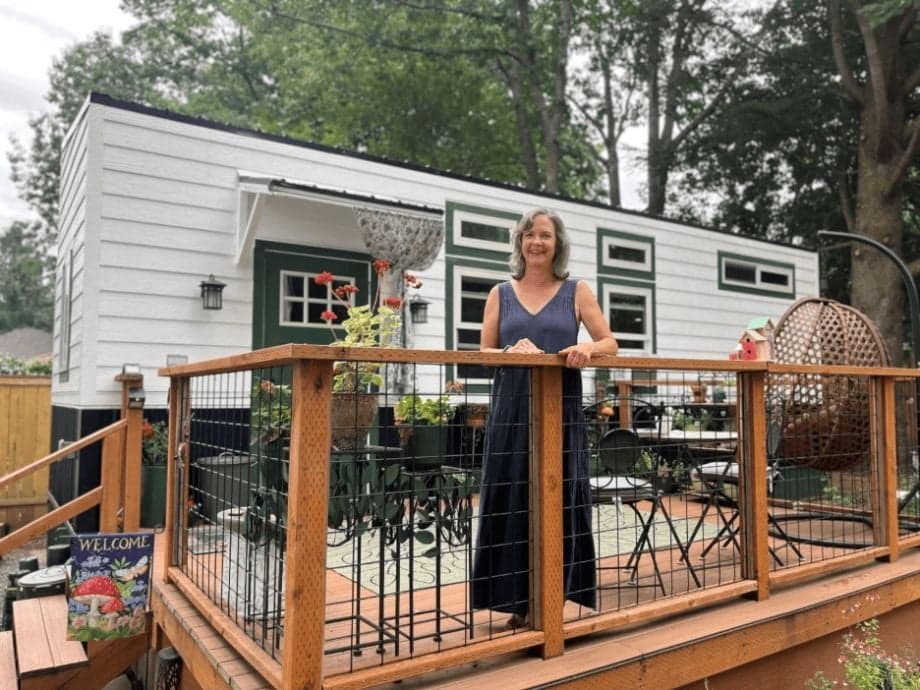
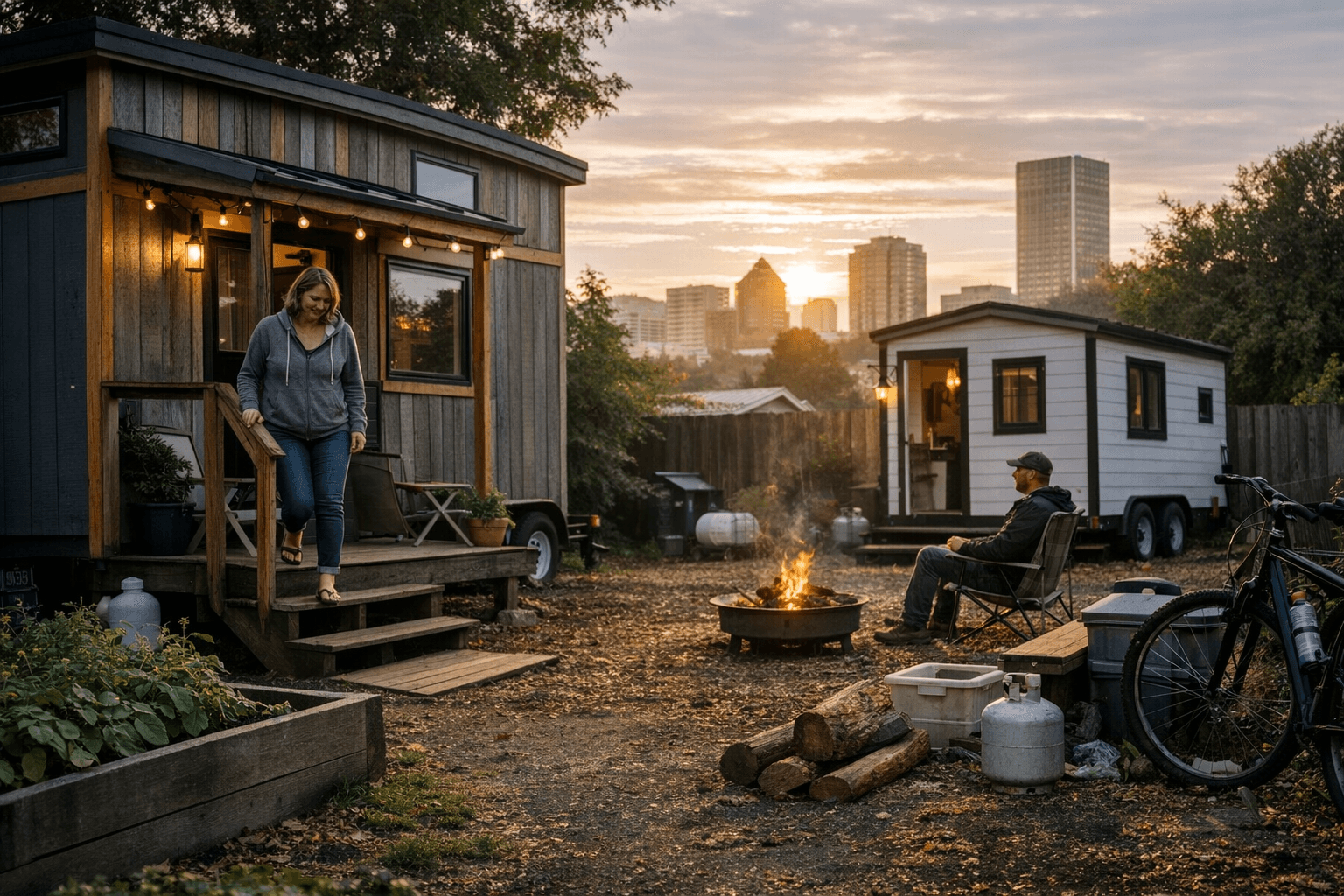
Ember moved a tiny home on wheels into a backyard when other options ran out. "It ended up being realistically our only option," Ember said, "other than her being homeless, really." That human urgency illustrates why Portland has become a testing ground for a quick, lower-cost approach to adding housing.
Portland treats tiny homes on wheels and recreational vehicles as vehicles rather than buildings, so they are not subject to the building permit process and its associated fees. The city requires only an additional utility connection for sewer, water, and electricity, or access to the main house if the external dwelling lacks internal plumbing. If the vehicle doesn’t have internal plumbing, occupants still must have electricity and access to a bathroom in the main house. Scheduling city inspectors to certify hookup work can happen in a matter of weeks, making site-ready installation faster than the typical accessory dwelling unit process.
Cost remains concentrated in infrastructure rather than construction. Homeowners report paying roughly $3,000 on the low end to as much as $15,000 for complicated properties to add a sewer, water, and electrical hookup. Because tiny homes on wheels are built on a trailer chassis and can be moved, they avoid much of the construction inspection and certification that backyards cottages face. Kol Peterson, a Portland-based tiny home advocate and contractor, called the dwellings "a smaller, cuter version of a typical American house" and argued that recognizing them as permanent housing "fosters a very radical, inexpensive housing type to exist legally within this otherwise extremely regulated industry that has nothing but very expensive homes."
That regulatory flexibility made projects like Emilie Karas’s possible. Karas, 38, bought a rundown house on a quarter-acre residential lot in early 2020 and replaced it with four homes that housed nine people. "It creates an even more affordable option for folks who maybe are lower income to have a really safe, beautiful home," Karas said. "They have to live in community with other people, but we have a really great vibe."
Technical and safety tradeoffs shape how widely this model can scale. Standard RVs, the most affordable housing option, are built to different ANSI standards than park-model RVs, complicating any effort to require uniform certifications. Inspecting an already-built tiny home would require stripping it back down to the pipes and wires, a task few owners would volunteer for. Those practical barriers helped lead Portland to avoid inspecting the mobile dwellings themselves, a choice advocates say is critical to making the approach work.
Tiny homes on wheels are not a silver bullet; advocates frame them as one tool among many to expand affordable starter housing. For Portland homeowners juggling tight budgets and urgent needs, the model offers a practical pathway - relatively low hookup costs, quick inspection timelines for utilities, and the ability to add safe, community-oriented units on existing residential lots. As advocates push to legalize similar options elsewhere, watch for debates over standards, inspections, and how to balance speed with long-term safety and equity.
Know something we missed? Have a correction or additional information?
Submit a Tip