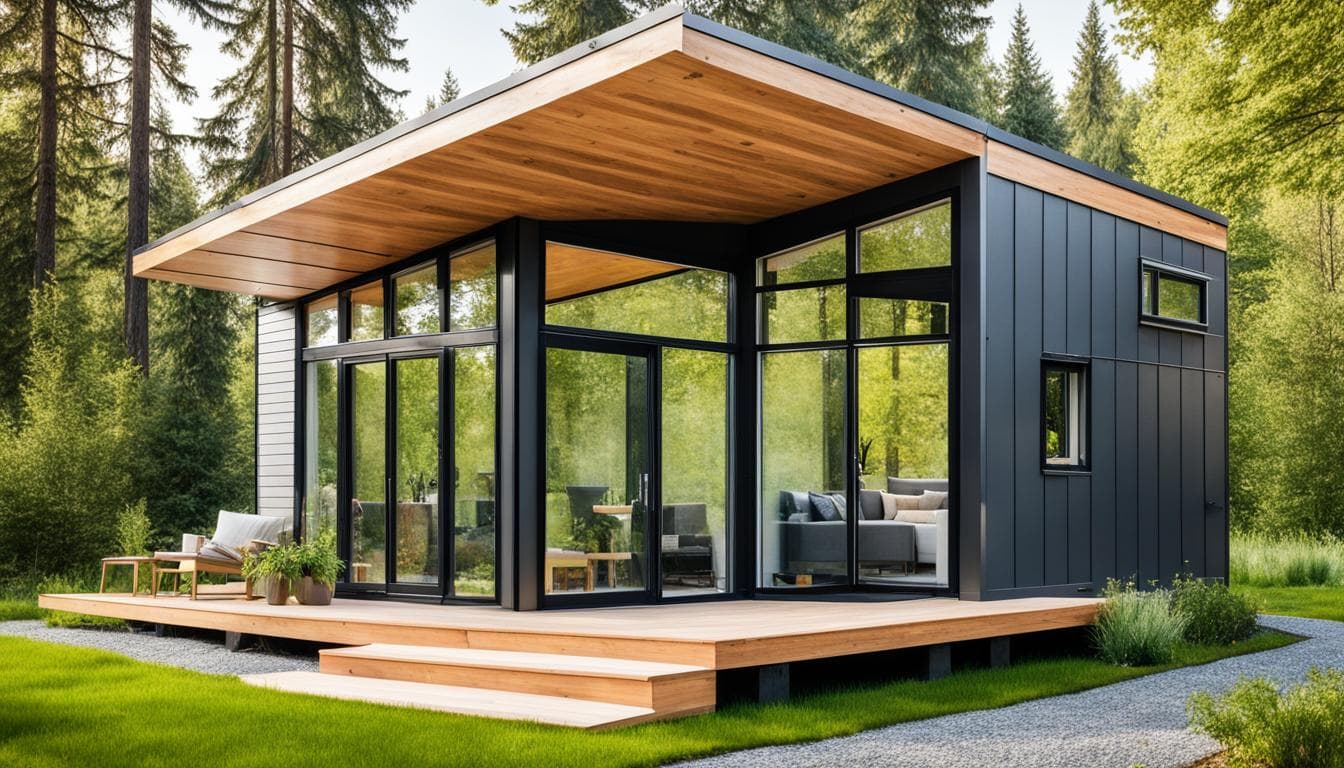
Tiny house surge in US signals deepening housing crisis, researchers warn
Dr Tim White and colleagues warn tiny homes, from 99‑sq‑ft Occupy Madison huts to $100,000 boutique units, signal a housing system that is increasingly unaffordable for many Americans.

Dr Tim White of King’s College London says the tiny‑house surge is not only an alternative lifestyle trend but a symptom of a failing housing system. “The growing appeal of tiny homes reflects a housing system in which many people can no longer access secure, affordable accommodation, but are still holding onto the domestic ideals bound up in the American Dream. Tiny housing offers a shrunken down and contracted version of the residential good life inseparable from broader economic crises,” White wrote, and his colleagues added that “Tiny houses are a symptom of a wider crisis. Housing is now so unaffordable that the even middle classes are resorting to what are essentially gentrified trailer parks.”
Those warnings sit alongside stark national affordability metrics from legal scholarship: 37.1 million households, or 30 percent, were cost burdened in 2019, spending more than 30 percent of their incomes on housing, including 17.6 million households (14 percent) who were severely cost burdened, spending over 50 percent of income on housing. The share of cost burdened households earning $25,000–$49,999 rose from 44 percent in 2001 to 58 percent in 2019, and HUD point‑in‑time counts showed “a spike of 15,000 more people” experiencing homelessness in 2019.
Definitions and on‑the‑ground forms vary. Scholarship Law Tamu defines “tiny homes, homes that are less than 400 square feet,” while community projects have used much smaller units. Occupy Madison built 99‑square‑foot houses that drew residents like Cox, who “This is the longest time I've stayed in one place,” after moving into one of those units following years of unstable housing. A separate city‑owned tiny home village on the outskirts of Madison opened in November 2021 with white 8‑foot‑by‑8‑foot prefabricated shelters sized to hold a cot, a refrigerator, and some personal belongings.
Scholars and advocates diverge on policy and scale. Scholarship Law Tamu notes “The villages often consist of more than one tiny home and some villages can accommodate 350 tiny homes per site as well as families,” and explicitly recommends: “Localities, however, should develop the necessary building codes, zoning designations, land use categories, and approval processes to make living tiny legal and to permit tiny homes villages to mitigate housing insecurity.” The same analysis cautions that tiny homes “will not work for every homeless person or in every community” and should not replace other shelter forms.
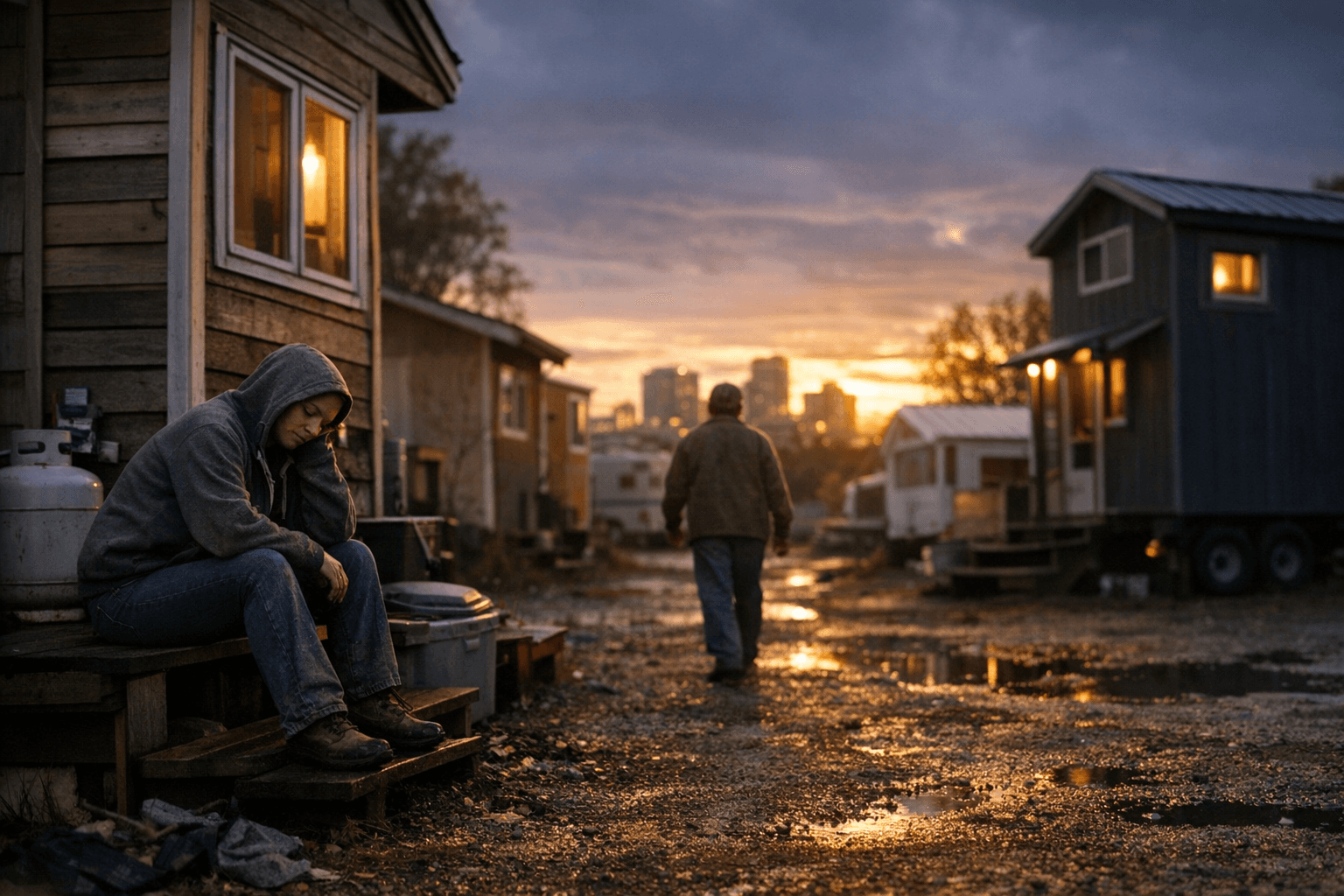
Municipal experiments and philanthropy have expanded the footprint. With “housing costs rising, tiny homes are spreading as a solution to homelessness in California, Indiana, Missouri, Oregon, and beyond,” and philanthropists have drawn attention, “Arnold Schwarzenegger garnered considerable publicity in December when he donated money for 25 tiny houses for homeless veterans in Los Angeles.” Market dynamics complicate the picture: “A tiny home with all the trimmings might set you back $100,000 or so, not exactly a small investment,” and critics note commercial pressures, with Shafer observing, “The movement is still strong... It just seemed like a lot of parasites were attaching themselves to it. You have the movement, and then a lot of people that were trying to make money off it.”
The debate now turns on scalability, legality, and outcomes. Advocates like Nan Roman argue “Anything that increases the supply of affordable housing is a good thing” and point to a shortfall of “around 7 million fewer affordable housing units than there are households that need them.” Researchers and local officials must still answer concrete questions about long‑term resident outcomes, which projects have reached large‑site capacity, the true cost ranges for basic versus fully fitted units, and implementation details for high‑profile donations. Those answers will determine whether tiny homes are a durable tool against housing insecurity or an emblem of a deeper systemic squeeze.
Know something we missed? Have a correction or additional information?
Submit a Tip