Tiny House Trends 2027: Sustainable, Smart, and Livable Design
Learn practical trends and build strategies for tiny homes in 2027, from sustainable materials and prefab methods to space optimization and on-site energy systems.
1. Sustainability as a central design philosophy
Sustainability is no longer an add-on; it’s the organizing principle for tiny-house design in 2027. Specify FSC-certified timber, bamboo floors, or recycled steel to lower embodied carbon and create durable shells that age well. Pair high-performance insulation with passive design strategies, orienting glazing for winter sun, using thermal mass where possible, and minimizing thermal bridging, to shrink operating costs and increase occupant comfort. These choices matter to neighbors and local permitting authorities because they reduce lifecycle impacts and make tiny homes credible alternatives to conventional housing.
2. Smart space optimization: layouts and furniture
Tiny living runs on clever geometry and multi-use design rather than compromises. Plan multi-functional layouts that let the same zone serve as office, dining room, and guest bedroom (fold-away desks, Murphy beds, and convertible seating are essential). Use modular and movable partitions to change privacy and ventilation patterns without permanent walls, and design built-ins that fit the structure so you gain usable cubic feet rather than loose furniture. Practical tip: prioritize circulation and clear floor zones so daily routines don’t feel like obstacle courses.
3. Modular partitions and furniture systems
Modular systems give you flexibility as life changes, kids, guests, or a work-from-home need can be solved without demolition. Invest in furniture platforms that bolt into studs or track systems, so pieces slide out when you need an open plan or lock into place for stability during travel. Durable finishes and simple connection hardware keep maintenance low and make future upgrades straightforward. When buying, check that components are repairable and standardized to avoid custom-only parts.
4. Nature-integrated living: indoor–outdoor flow
Create that cabin-meets-patio feeling by designing floor-to-ceiling sliders and extended decks that function as extra living rooms in temperate seasons. Biophilic finishes, natural wood tones, living walls, and native plant palettes, improve perceived space and well-being without adding square footage. Detail thresholds for weather resilience: raised thresholds or sloped drains, durable deck fasteners, and shade devices to manage heat gain. This connection to the outdoors increases perceived square footage and supports mental health for people living small.
5. Minimalist luxury: quality over clutter
“Less” doesn’t mean cheap; 2027’s tiny houses favor minimalist luxury, high-quality finishes, layered lighting schemes, and long-lasting fixtures that read as intentional rather than cramped. Invest in task, ambient, and accent lighting to make small spaces feel zoned and larger; choose durable hardware and water-wise plumbing fixtures to cut long-term service calls. The payoff is resale appeal and daily delight: well-made surfaces and quality appliances make tiny life feel like an upgrade, not a sacrifice.
6. Prefab and modular construction gains
Prefabrication continues to win for tiny houses because it offers faster timelines, predictable costs, and reduced waste compared to stick-built on-site projects. Factory-built modules let you control tolerances, simplify inspections, and reduce weather delays, which is useful whether you’re building one unit or a cluster. For community projects, modular builds mean easier replication of successful models and clearer budgeting, which helps municipalities and funders evaluate tiny-home projects.
7. On-site energy independence and systems
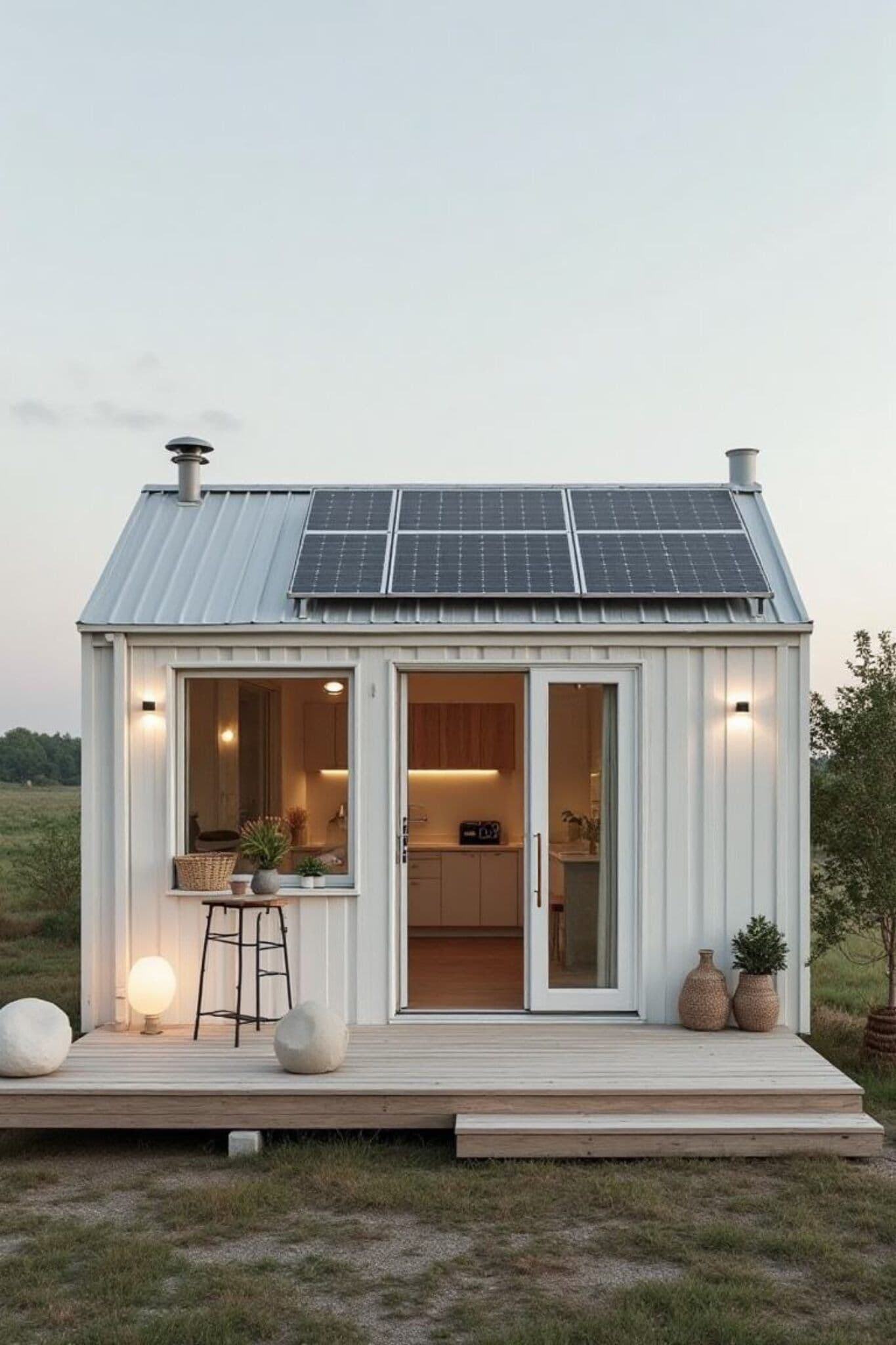
Design with on-site energy independence in mind: choose solar-ready roofing, plan conduits for battery storage, install heat recovery ventilation (HRV) to maintain air quality with minimal heat loss, and incorporate rainwater harvesting where codes allow. Solar-ready roofs and pre-routed conduits lower future upgrade costs and make the home adaptable as panels and batteries become cheaper. HRV systems paired with high-performance envelopes keep indoor air fresh while preserving energy, critical for tight tiny-house shells.

8. Case study takeaways: 280-sq-ft redesign with ~35% more storage
A practical redesign example showed a 280-sq-ft footprint yielding roughly 35% more usable storage by prioritizing integrated solutions: under-loft drawers, a raised platform with built-in cabinets, and recessed shelving above circulation paths. The lesson is to treat storage as a material decision, platforms, stairs, and structural voids can become organized storage without sacrificing headroom. Apply the same approach to kitchens and bathrooms by using vertical space and multifunctional appliances to keep counters clear and circulation smooth.
9. Mobility versus foundations: making the right choice
Decide early whether you want a towable tiny house or a foundation-based dwelling, because the choice drives structure, utilities, insulation, and permitting. Towable homes are constrained by weight, height, and road-legal widths, prioritize lightweight materials and secure furniture for travel. Foundation homes let you invest in heavier, more permanent systems (full-scale plumbing, larger solar installations, and robust insulation) and often face different zoning and tax rules; they can integrate more easily into community land projects and long-term ownership models.
10. Design and technology pairings for modern needs
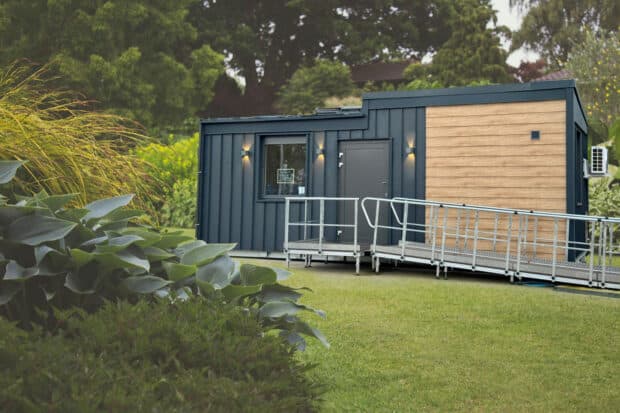
Pair design moves with tech to support remote work, aging-in-place, and resilience. For remote work, integrate fold-down desks, local sound attenuation, dedicated data conduits, and task lighting near workstations. For aging in place, detail zero-step entries, wider doorways, lever hardware, non-slip floors, and accessible counters, these features increase marketability and longevity. For resilience, couple HRV and durable cladding with storm-rated windows and simple manual backups for power and water systems so you can stay safe and comfortable during outages.
- Structure: FSC-certified timber or recycled steel framing for lower carbon and structural resilience.
- Floors and finishes: bamboo or other fast-renewable floors and low-VOC coatings for indoor air quality.
- Envelope: high-performance insulation, airtight construction, and passive-solar orientation.
- Systems: solar-ready roofing, HRV, and rainwater-harvesting pre-plumbed where code permits.
11. Practical specification checklist for builders and owners
Use this checklist as a procurement tool to keep material choices aligned with durability, cost, and community expectations.
12. Community relevance and next steps
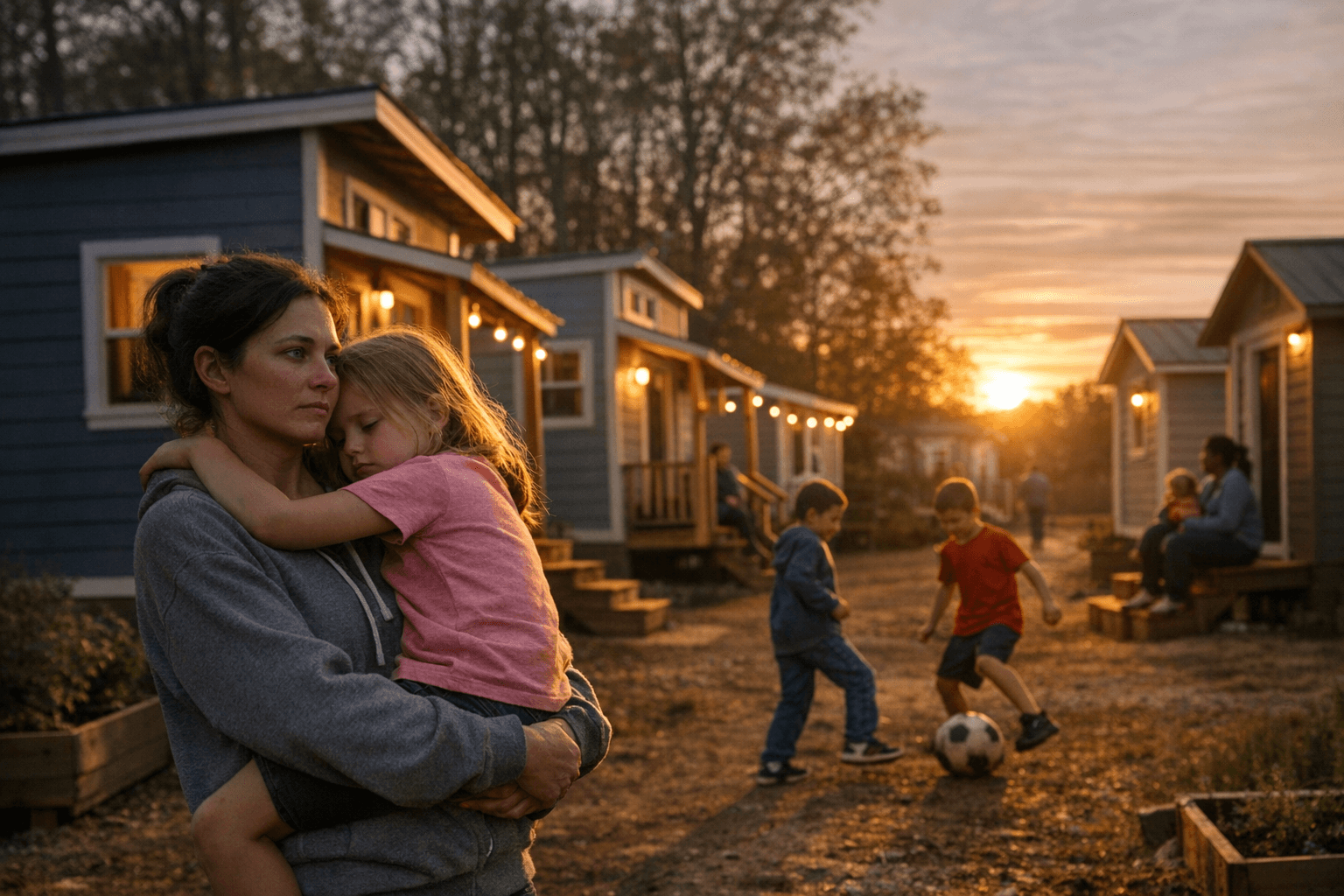
Tiny houses intersect with neighborhood planning, builders’ skills, and shared resource networks, coordinate early with local officials, tradespeople, and tiny-house networks to smooth permitting and site development. Host or join a build workshop, share floor-plan lessons, and prioritize replicable details so successful models can scale. Practical wisdom: treat the tiny project as a systems puzzle, materials, layout, and systems must interlock. Start with one durable decision (like a solar-ready roof or high-performance insulation) and let it shape the rest of your project for better long-term value and community uptake.
Know something we missed? Have a correction or additional information?
Submit a Tip