To Lam reappointed, vows double-digit growth and deep reforms
To Lam pledges more than 10 percent annual growth and sweeping economic and administrative reforms as party delegates convene in Hanoi.
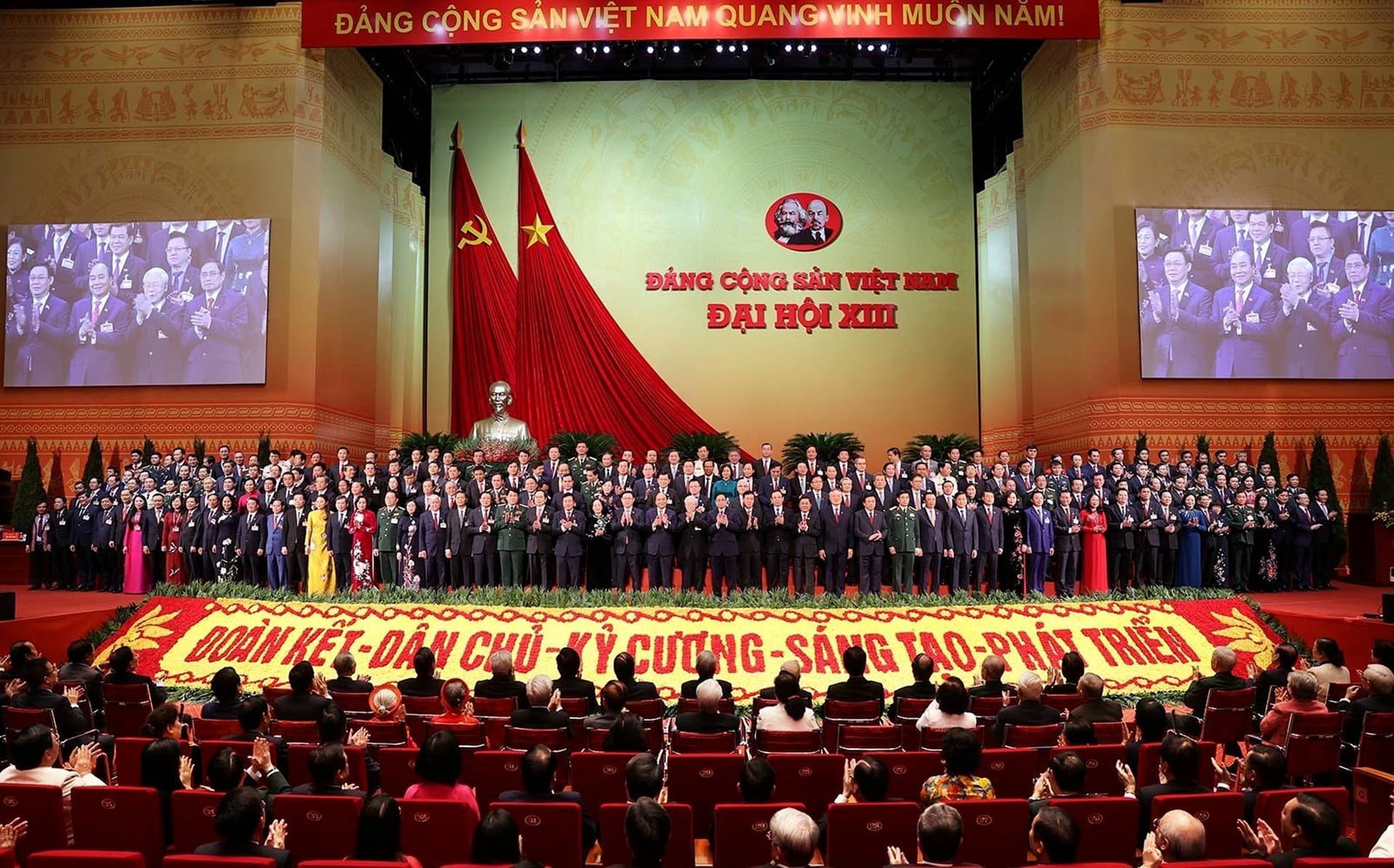
Vietnam’s Communist Party secretary-general To Lam used his opening address to a week-long congress in Hanoi to lay out an ambitious blueprint for growth and governance, pledging annual GDP expansion of “more than 10 percent” through the remainder of the decade and proposing a wide-ranging shift in the country’s economic model.
The congress, which reconfirms top party leadership and sets policy through 2030, is attended by roughly 1,600 delegates representing more than five million party members. A party document sets an annual growth goal of no less than 10 percent until 2030 and frames the target as central to making Vietnam a high-income country within the decade.
To Lam signalled a strategic pivot away from low-cost, export-led growth toward higher-value manufacturing, greater innovation, efficiency and a bigger digital economy. He called for faster legal and administrative reform, identifying institutional bottlenecks as a major constraint on private investment and productivity. Proposals include cutting red tape, merging ministries and state agencies, streamlining public administration and accelerating infrastructure projects to adapt to climate risks and strengthen regional connectivity.
Anti-corruption and governance reform were prominent themes. To Lam vowed that “all wrongdoings must be dealt with,” and pledged continued efforts to tackle wastefulness and negativity in government while treating the private sector as an important pillar of the economy. He also urged expanded global trade to protect national independence and strategic interests, noting that exports to major markets have continued to rise even after punitive tariffs were imposed by one trading partner last year.
Since becoming party chief about 17 months ago, To Lam has already pushed rapid administrative change. Government moves include abolishing eight ministries or agencies, cutting nearly 150,000 state payroll positions and accelerating major rail and power projects, measures intended to reallocate resources toward priority investments.

But political and structural shifts have accompanied those reforms. Observers note that To Lam, a former head of state security, has strengthened security organs and expanded police powers to vet laws and regulate businesses. He has also intensified competition with the military, which controls substantial economic assets. Reports that he may seek the state presidency, potentially consolidating party and state authority in a single office, have raised questions about the balance of collective leadership that has underpinned Vietnam’s postwar political stability.
Financial markets responded positively to the reappointment and reform rhetoric, with stock indices and investor flows firming on hopes of faster liberalization and clearer policy direction. International forecasters, however, remain sceptical about sustaining double-digit growth. The World Bank projects average growth near 6.5 percent this year and next, and analysts highlight material risks to any 10 percent trajectory, including natural disasters, epidemics, geopolitical tensions, and disruptions to energy and food supply chains.
Delegates at the congress will debate and ratify the reform agenda and leadership slate over the coming days. Even if the headline growth target survives the session, translating ambitious goals into durable, high-quality expansion will require sustained institutional change, large-scale investment in skills and technology, and careful management of the political trade-offs inherent in deeper state intervention.
This article was produced by Prism’s automated news system from verified source data, official records, and press releases, then run through automated quality and moderation checks before publishing. The system is built and supervised by the people who set the standards it runs under. Read our full AI policy.
Did this article answer your question?