Tourism slump cuts arrivals to 1.8 million in 2025, deepens Cuba crisis
Cuba's international arrivals fell to about 1.8 million in 2025, a 17.8% drop that deepens shortages and threatens jobs across the island.
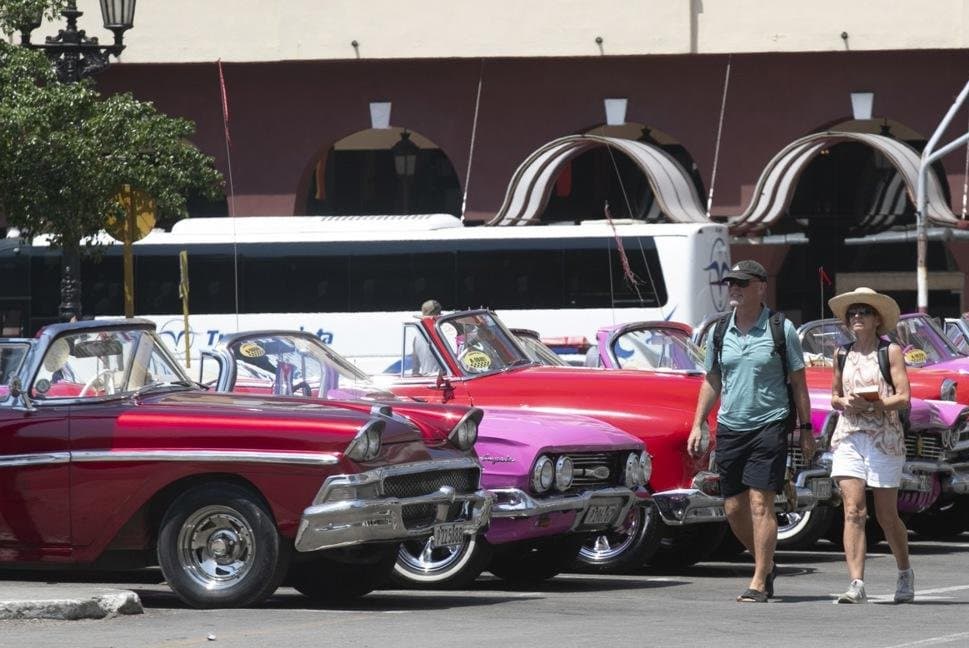
International arrivals to Cuba plunged to roughly 1.8 million in 2025, the national statistics office ONEI reported, a decline of about 17.8% from 2024 and the lowest total in two decades. The figure leaves the tourism sector far short of the government’s 2.6 million target and amplifies pressure on an economy already squeezed by fuel shortages, daily power cuts and shortages of food and medicine.
ONEI’s annual total masks sharper slumps in parts of the year. Early 2025 saw international arrivals down as much as 29.1% compared with the same period in 2024, and a separate count showed about 1.6 million visitors between January and November 2025. The shortfall is concentrated in key markets: reported declines included Germany down 50.5%, Russia down 29%, and Canada down 12.4% for the year; visits by Cubans living abroad fell 22.6%.
Canada has been particularly affected and responsive. Statistics Canada data showed Canadian visits in the first quarter of 2025 fell 38% from the same quarter in 2024. The Canadian federal travel advisory warns travelers to “Exercise a high degree of caution in Cuba,” and CBC reporting shows dozens of Canadians calling off or trying to cancel trips. Some travelers oppose cancellations; one visitor, Belliveau, told reporters, “Cancelling your trip to Cuba right now is the worst thing you can do because they need us more than ever.”
Analysts and commentators point to overlapping causes. Fuel shortages and restrictions on financing and shipments have squeezed electricity generation and transport, with multiple accounts describing blackouts of up to 20 hours a day in parts of the island. A failed internal monetary reform to unify Cuba’s currency is widely blamed for aggravating the economy, while limited air connectivity and slipping service quality have deterred repeat visitors. Some reports link the downturn to sharp geopolitical shocks in Venezuela, with conflicting accounts describing either an overthrow on January 3 or a U.S. military operation that captured Nicolás Maduro; those different accounts point to how regional instability has channeled into Cuba’s already fragile tourism recovery.

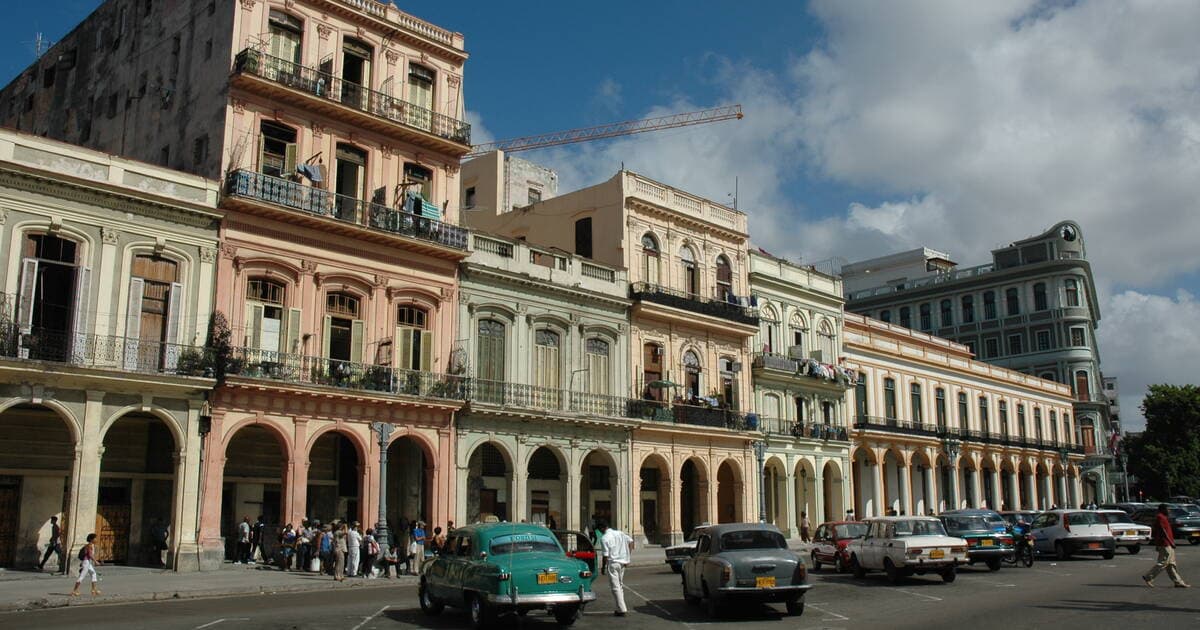
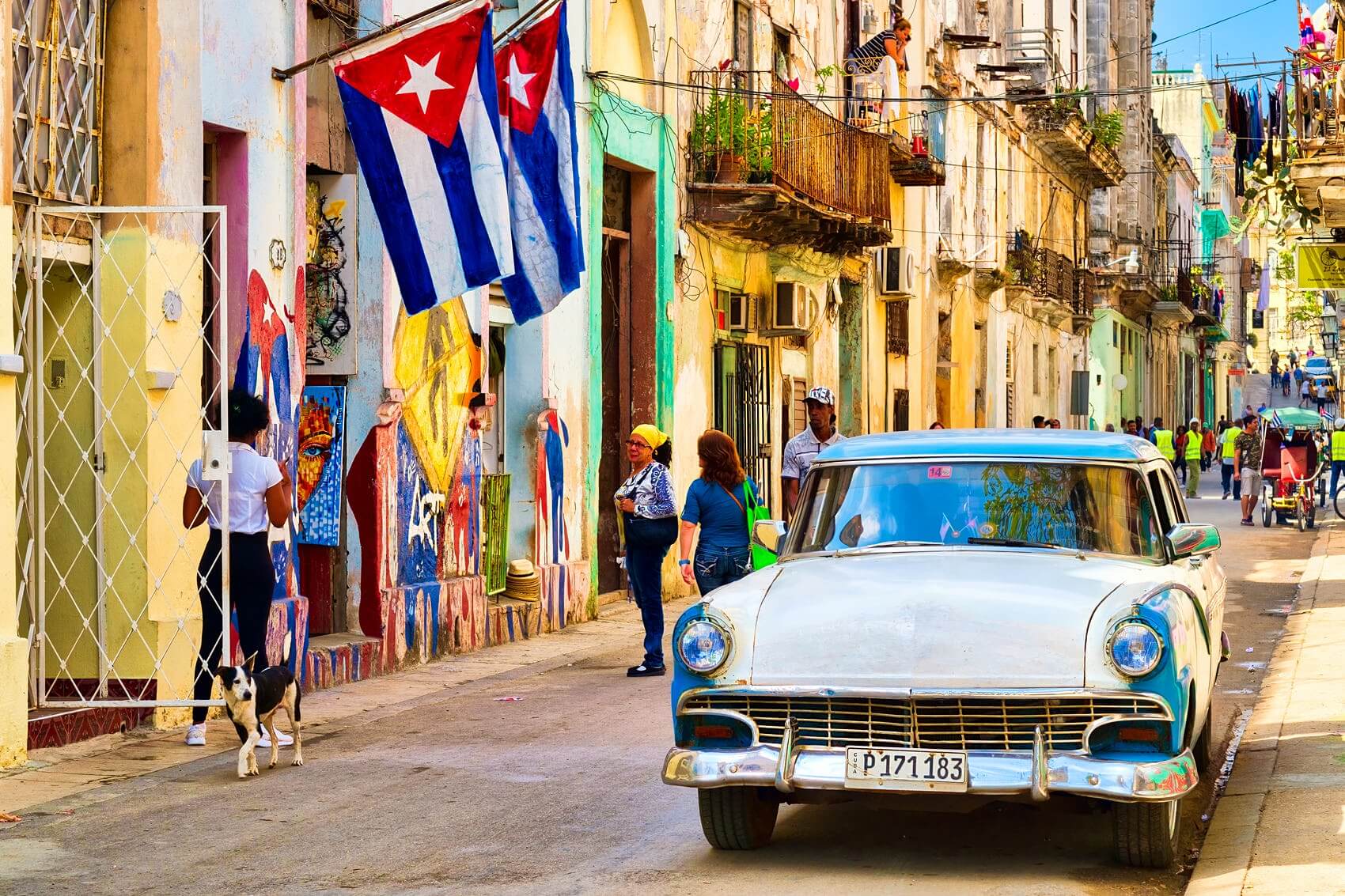
The human toll is visible on Havana streets and in resort towns. Street vendor Rosbel Figueredo Ricardo, who sells chivirico, said he used to load 150 bags each morning and sell out by late afternoon; by late 2025 he was taking only 50 bags to work and sometimes returned with none sold. Tourism once brought more than 4 million visitors and over $3 billion a year; the sector’s collapse cuts off hard-currency earnings for hotels, paladares and informal vendors alike.
Cuban economist Pedro Monreal captured the mood on social media: “We knew that would happen.” For readers planning travel, the outlook means continued advisories, service reductions and tougher conditions at resorts and cities that rely on tourist dollars. For families and small businesses in Varadero, Cayo Coco and Havana, the immediate priorities are securing fuel for essentials and stabilizing power to prevent further job losses. The next weeks will show whether December flows or emergency measures can narrow the shortfall and whether tourism can begin to reconnect the island to its traditional markets.
Know something we missed? Have a correction or additional information?
Submit a Tip