Trinamool Congress unravels after West Bengal defeat and internal revolt
Within a month of its defeat, 58 of 80 TMC legislators backed a rival as opposition leader, exposing a party that lost Mamata Banerjee’s Bhabanipur fortress and its grip on West Bengal.
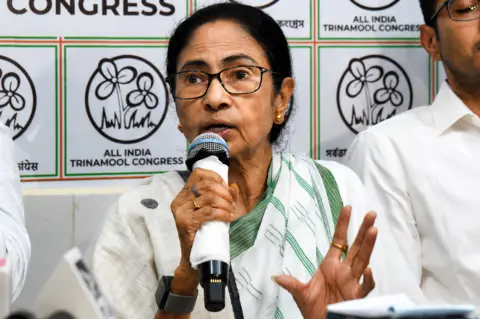
Mamata Banerjee’s Trinamool Congress has gone from governing West Bengal for 15 years to fighting for internal control in barely a month. After the 2026 Assembly election reduced the party to about 80 seats and handed the Bharatiya Janata Party a majority, the collapse moved from the ballot box to the legislature, where a large bloc of Trinamool lawmakers openly challenged the leadership’s authority.
The most damaging blow came in Bhabanipur, long treated as Mamata Banerjee’s political fortress. She lost the seat to BJP leader Suvendu Adhikari by 15,105 votes after 20 rounds of counting, a result that stripped the party supremo of her most symbolic base in Kolkata and underscored how far the ground had shifted beneath her.

That loss quickly fed into a deeper organizational crisis. On June 3, 58 of the party’s 80 legislators backed expelled MLA Ritabrata Banerjee as Leader of the Opposition, even though the party leadership had endorsed Sovandeb Chattopadhyay for the post. The rebellion exposed not just a disagreement over one office, but a widening split over who speaks for the party now that it has lost power.
The revolt has also sharpened scrutiny of Mamata Banerjee’s leadership style and the growing role of her nephew, Abhishek Banerjee. For years, the Trinamool Congress depended on Mamata Banerjee’s personal authority, tight discipline, and direct command over local power brokers. Once that authority was dented by defeat, the party’s structure began to show the strain of a movement built around one dominant figure.
The leadership has answered with a broad internal review and by dissolving party committees, a sign that the damage is not being treated as a routine post-election setback. Multiple local leaders and public representatives have drifted away, resigned, or stayed away from key meetings, deepening the sense that the party’s organizational machinery is fraying just as it faces its first long spell outside government in 15 years.
The speed of the unraveling suggests the defeat was about more than one bad election. It reflected leadership fatigue, organizational decay, and a changed electorate that was willing to turn from a party that once seemed unassailable. For Mamata Banerjee, the immediate challenge is not only rebuilding opposition politics in West Bengal, but proving that the Trinamool Congress can survive without the centralized control that made it powerful in the first place.
This article was produced by Prism’s automated news system from verified source data, official records, and press releases, then run through automated quality and moderation checks before publishing. The system is built and supervised by the people who set the standards it runs under. Read our full AI policy.
Know something we missed? Have a correction or additional information?
Submit a Tip