Trump Addresses Nation as Conflict Drives Up Gas Prices, Souring Public Mood
Gas hit $4.015 a gallon, a 35% spike in one month, as Trump told the nation the Iran conflict is "nearing completion" while 61% of Americans disapprove of the war.
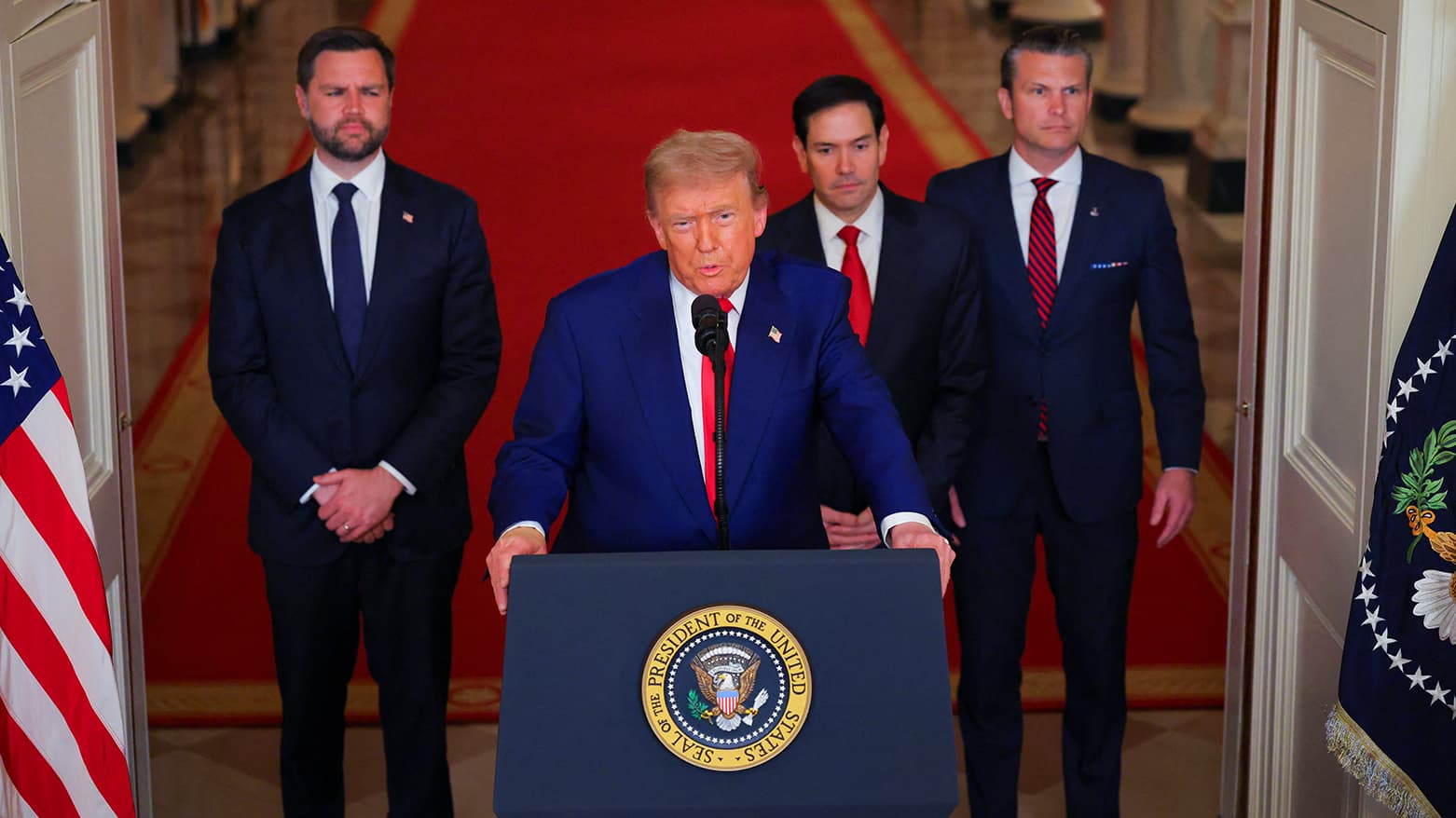
The national average price of regular gasoline crossed $4 a gallon for the first time since August 2022, reaching $4.015, as President Donald Trump delivered a prime-time address from the White House on Wednesday claiming the war with Iran was "nearing completion." The price spike, a $1.04 jump in just one month from $2.972, landed against an already strained consumer backdrop and has become the defining measure of public discontent with the 32-day-old conflict.
"Many Americans have been concerned to see the recent rise in gasoline prices here at home," Trump said, adding that "this short-term increase has been entirely the result of the Iranian regime launching deranged terror attacks against commercial oil tankers." He urged Americans to "keep this conflict in perspective" and promised that once the fighting ends, prices would "come tumbling down."
The central economic pressure point is the Strait of Hormuz. Iran has effectively shuttered the waterway, which handles roughly 20% of the world's traded oil and natural gas supplies, bringing shipping traffic to a near-halt. More than 15 million barrels of crude production per day have been taken offline, according to investment firm Raymond James, and millions more barrels remain stranded on tankers. Rapidan Energy Group called it the largest oil supply disruption in history, by a factor of two. Brent crude, the international benchmark, sat at around $108 a barrel, a 48% surge since the war began February 28.
Trump's pledge that the strait will "open up naturally" once the conflict concludes faces skepticism from energy analysts. Oil executives and analysts warned that the Strait of Hormuz needs to be reopened by mid-April, or oil-supply disruptions will get significantly worse. Even then, enough damage may have been done already. BlackRock CEO Larry Fink warned that oil could hit $150 and cause a global recession if Iran remains a threat to Hormuz after the war ends.
The administration has moved several levers to soften the price shock. Trump ordered the release of 172 million barrels of oil from the Strategic Petroleum Reserve and temporarily lifted sanctions on Russian oil shipments already at sea. Oil prices actually rose 5% to $88 a barrel on the day the SPR release was announced, and Brent crude was also up 5% to $92.50, underscoring how limited those levers are against a blockade that traders still priced as ongoing.

The political damage is registering in stark terms. The national average topped $4 per gallon as a Fox News survey found 59% of voters disapproved of Trump's job performance, up from 51% who disapproved a year earlier. A Reuters/Ipsos poll found Trump's approval at 33%, the lowest of his second term, with 71% of respondents saying he is not handling inflation well and 61% saying he is not handling jobs well. A separate Reuters/Ipsos survey found 61% of respondents actively disapprove of the war, up 18 percentage points from its earliest days, with war approval falling to 35%.
The same survey found 76% disapproving of Trump's handling of gas prices.
Sen. Mark Warner of Virginia, vice chairman of the Senate Select Committee on Intelligence, said after the address that "President Trump's address tonight did little to answer the most basic questions the American people deserve when our nation is engaged in a costly and dangerous conflict with Iran."
Soaring gas prices, an unpopular war, and a slumping approval number have become a collective political thorn for Republicans heading into November's midterm elections. With the mid-April window for reopening the Strait of Hormuz closing fast, the distance between the White House's "nearing completion" framing and what drivers are paying at the pump will remain the sharpest test of that claim.
Know something we missed? Have a correction or additional information?
Submit a Tip

