Trump Administration Bars Abortion Care at VA, Veterans Lose Access
The Justice Department’s Office of Legal Counsel concluded the Veterans Affairs may not provide abortion services, prompting the VA to instruct regional leaders to stop offering abortion procedures and counseling immediately. The abrupt change removes a health care option for veterans and dependents, raising urgent public health, legal and equity concerns for survivors of assault, rural veterans and marginalized communities.

On Dec. 18 the U.S. Department of Justice Office of Legal Counsel issued a legal opinion concluding the Department of Veterans Affairs may not provide abortion services under any provision of law. The opinion, authored by Joshua Craddock, deputy assistant attorney general, was followed by an internal VA memorandum instructing regional leaders that the agency "must comply" and to cease providing abortion procedures and abortion counseling at VA facilities effective immediately.
Screenshots of the memorandum circulated to leaders of the VA’s 18 regional integrated service networks were shared with media on Dec. 23. The directive reversed guidance put in place after the Supreme Court’s Dobbs decision in 2022, which had allowed limited abortion care and counseling at VA facilities in certain circumstances. The new policy bars care and counseling even in instances of rape or incest and in situations involving serious health risks, narrowing options for veterans and their dependents at a moment of strained access to reproductive health services.
Advocacy groups swiftly condemned the action. Democracy Forward, the National Women’s Law Center and Minority Veterans of America issued a joint statement on Dec. 23 calling the policy cruel and unlawful and pledging to challenge the change. Those organizations pointed out that the shift was imposed before the VA finalized any separate regulation that would codify the policy, raising questions about administrative process and notice.
Lawmakers said the move would have immediate, life altering effects for veterans who rely on VA care. Representative John B. Larson of Connecticut described the decision as "an affront to our nation’s veterans" and said it denies "their bodily autonomy, even in cases of rape or incest." Larson noted that in about 20 states with abortion bans on the books, VA facilities had often served as the only local option for veterans seeking care. He has introduced legislation with Representative Julia Brownley intended to guarantee reproductive care at VA facilities and has backed the EACH Act, which would require federal health programs to cover abortion care.
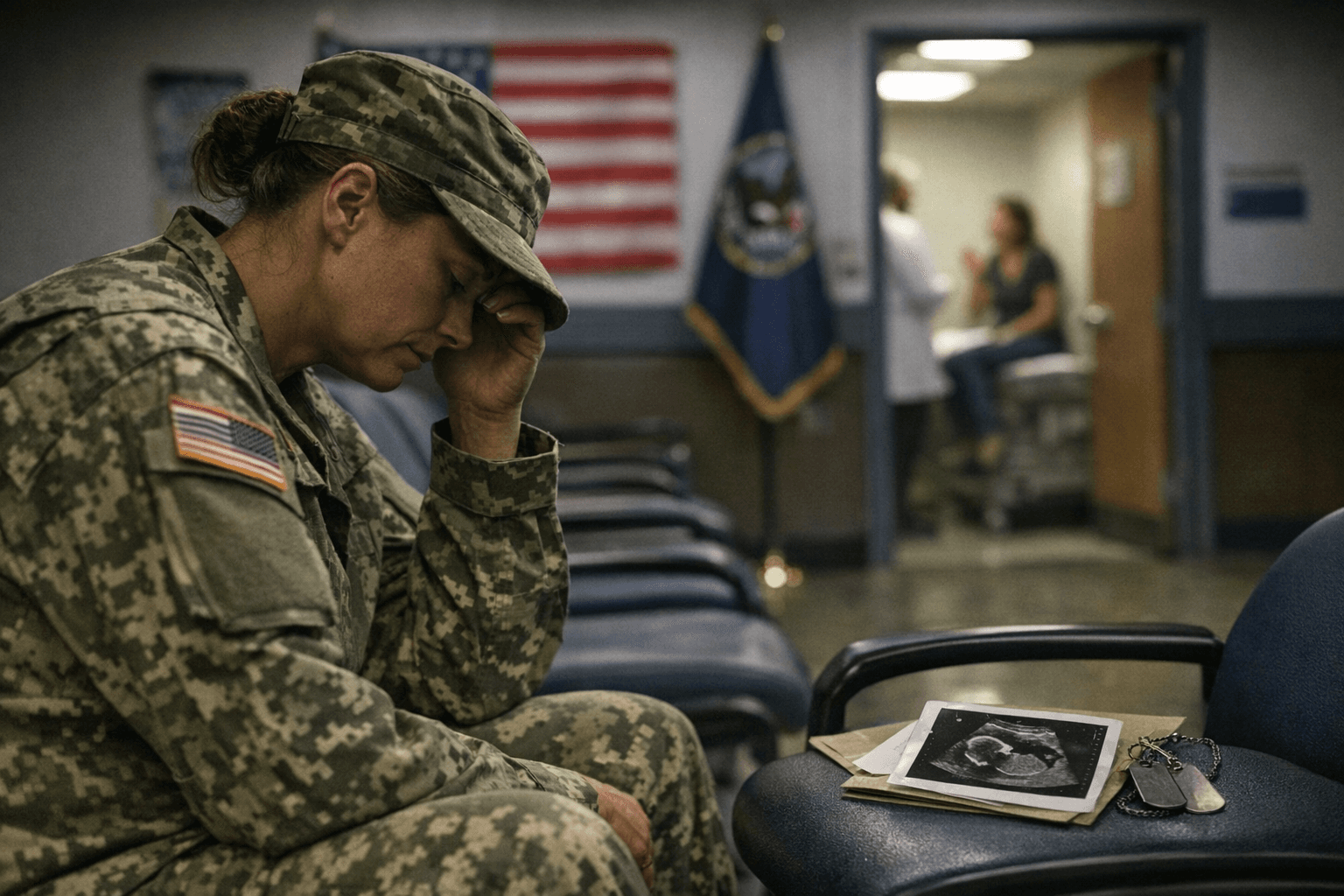
Public health experts and advocates warned the policy would exacerbate existing disparities. Veterans are disproportionately likely to be low income, live in rural areas and include survivors of sexual assault and intimate partner violence. Removing counseling as well as clinical services may increase delays, drive some veterans to unsafe alternatives, and deepen mental health burdens for those already facing trauma and limited health care options.
Legally the OLC opinion signals a firm administration position but does not itself settle potential court challenges. Advocacy organizations have pledged litigation, and congressional proposals seek to restore access legislatively. For veterans now confronting the loss of services, the change underscores how federal legal interpretations and internal agency directives can reshape health access overnight.
The immediate consequences will depend on whether courts intervene, whether the VA moves to formalize the policy through rulemaking and how Congress responds. Meanwhile health providers, veterans advocates and clinicians say the human effects are already real and call for prompt remedies to protect vulnerable patients and ensure equitable access to comprehensive care.
This article was produced by Prism’s automated news system from verified source data, official records, and press releases, then run through automated quality and moderation checks before publishing. The system is built and supervised by the people who set the standards it runs under. Read our full AI policy.
Did this article answer your question?