Trump administration bars fetal tissue use in all NIH-funded research
White House policy ends NIH funding for newly obtained fetal tissue from elective abortions, shifting emphasis to alternative models and triggering scientific concern.

The White House announced a sweeping ban on the use of human fetal tissue derived from elective abortions in any research funded by the National Institutes of Health, a change that takes effect immediately and covers the agency’s entire portfolio. The restriction, issued by the Trump administration, restores and broadens limits first imposed during President Trump’s initial term and applies to both NIH intramural work and externally supported projects.
NIH materials say the policy supersedes prior guidance and reaches across grants, cooperative agreements, other transaction awards, research and development contracts and similar funding mechanisms. The agency also clarified that the ban does not halt the use of established cell lines created years ago from fetal cells. NIH Director Jay Bhattacharya framed the shift as part of a strategic modernization, saying the policy will “push American biomedical science into the 21st century” and ensure that “taxpayer‑funded research must reflect the best science of today and the values of the American people.” Bhattacharya acknowledged that the agency “has long maintained policies governing the responsible and limited use of human fetal tissue in biomedical research,” and said NIH will seek public comment on the robustness of emerging biotechnologies that could reduce or replace reliance on human embryonic stem cells.
The NIH is a large federal research agency with an approximately $47 billion budget, and federal support for work using fetal tissue has been a feature of U.S. biomedical research for decades. NIH reported that for fiscal year 2024 it allocated $53 million to 77 projects that included human fetal tissue, down from about $115 million in 2018. Analysts have documented substantial extramural fetal tissue research funded across dozens of academic institutions, and many laboratories say the use of fresh fetal tissue remains important for certain lines of inquiry where alternatives are incomplete or unvalidated.
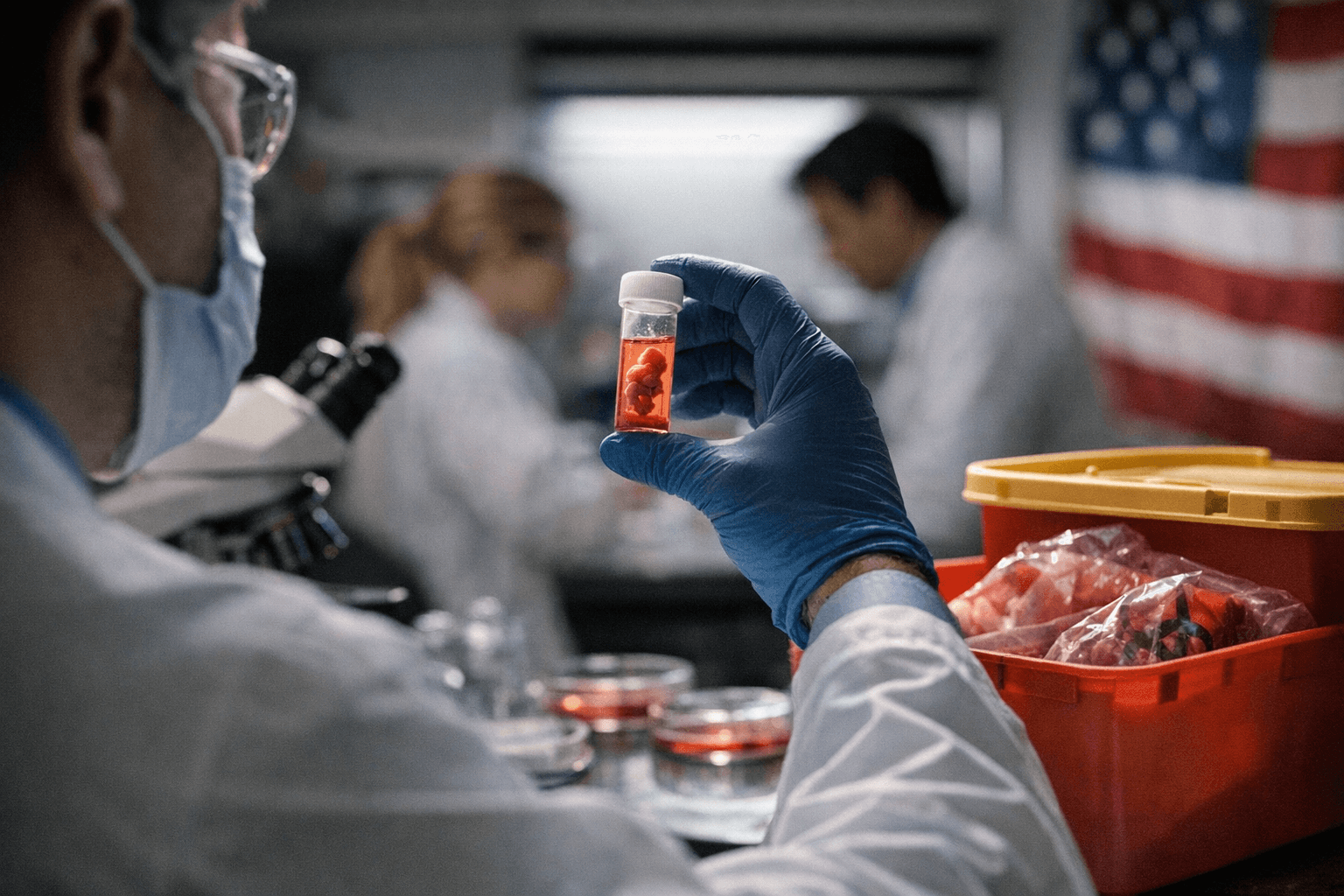
Research using tissue from elective abortions has contributed to studies of HIV, cancer, Parkinson’s disease, birth defects, blindness and other disorders, and it has played roles in developing treatments and some vaccines. Supporters of the new policy, including anti-abortion groups that long advocated for restrictions, argue that advances in organoids, primate models and synthetic systems can substitute for fetal tissue. Many scientists have warned, however, that validated substitutes do not yet exist for some experiments, and they say the abrupt removal of federal support will leave ongoing studies and clinical translation efforts in limbo.
The 2026 announcement expands restrictions that began with a June 2019 policy that ended fetal tissue use on the NIH campus and imposed procedural hurdles for external awardees. Those measures were reversed in 2021 when the Biden administration restored financing and allowed NIH-funded work using tissue from elective abortions to resume. Legal and policy analysts note that U.S. regulation of fetal tissue research has largely been driven by executive-branch funding decisions rather than statutory prohibitions; only Congress can change the underlying statutes, while administrations can set implementing rules and guidance.
The immediate effect of the policy is to remove NIH funding for projects that require newly obtained fetal tissue from elective abortions, while preserving federal support where research relies solely on preexisting fetal-derived cell lines. Investigators and institutions now face urgent questions about the future of current studies, the practical availability of alternatives, and how NIH will define and implement “modernization” across its research programs as it solicits public comment.
This article was produced by Prism’s automated news system from verified source data, official records, and press releases, then run through automated quality and moderation checks before publishing. The system is built and supervised by the people who set the standards it runs under. Read our full AI policy.
Did this article answer your question?