Trump administration defends unusual fund with inaccurate claims
Trump’s $1.776 billion claims pool was sold as routine, but officials leaned on a thin precedent and broad promises that do not match how it will work.
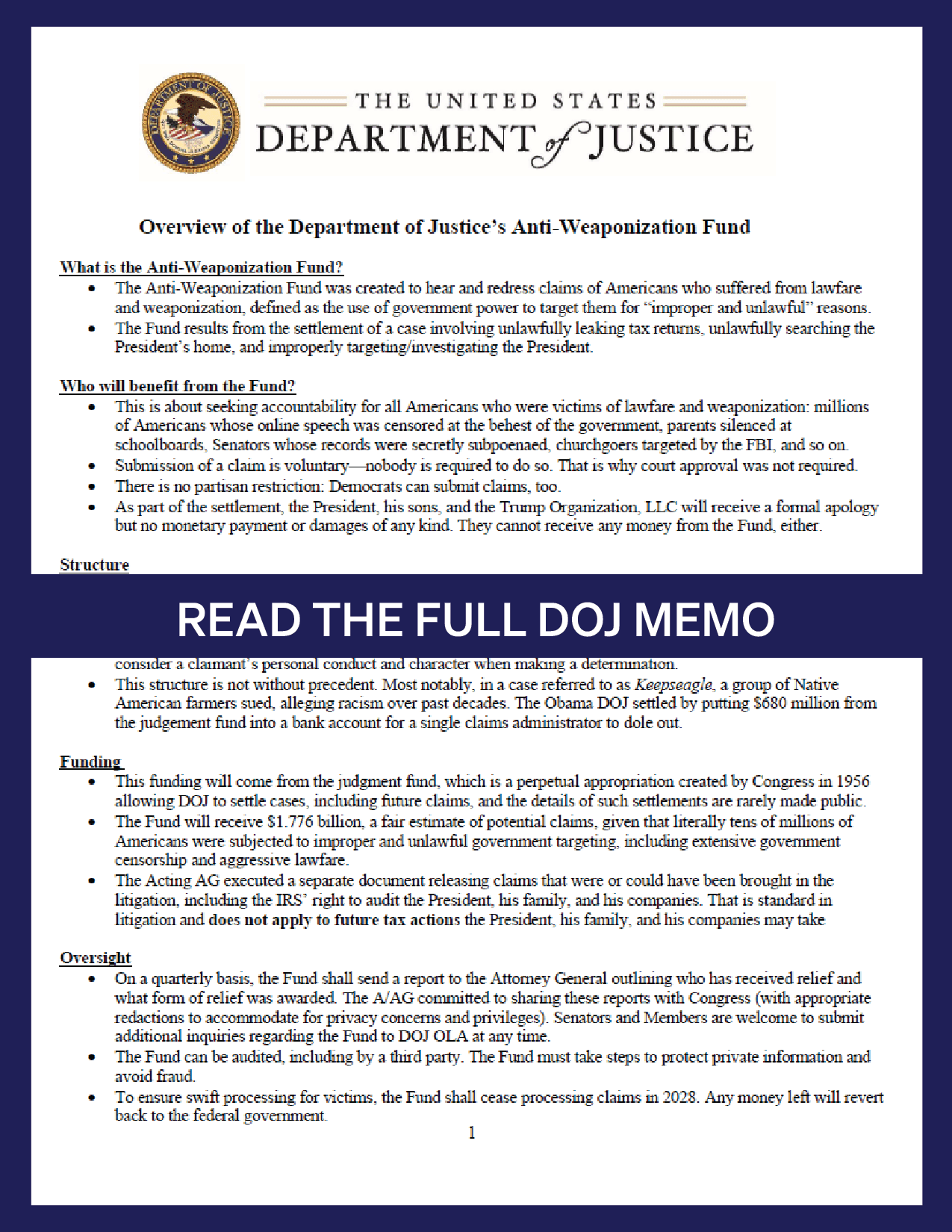
The Trump administration turned a $10 billion IRS lawsuit into a $1.776 billion “Anti-Weaponization Fund,” a public claims pool meant to pay people who say they were harmed by government investigations, prosecutions or leaks. The accountability question is plain: who decided this was a normal use of federal money, and why did the administration defend it with claims that do not hold up?
President Donald Trump said Monday that the arrangement was not unusual, arguing that “there’s been numerous other occasions over the years” when the federal government created something similar. The administration pointed to a 2011 settlement involving Native American farmers and ranchers who sued the Agriculture Department over discriminatory lending. But that case was a court-approved class-action settlement with defined eligibility rules, judicial oversight and a standard legal process. The new fund came out of a settlement of Trump’s own lawsuit against the IRS over the leak of his tax returns, and the Justice Department said it would create a process for other claimants after the president, his sons Donald Trump Jr. and Eric Trump, and the Trump Organization dropped their case.
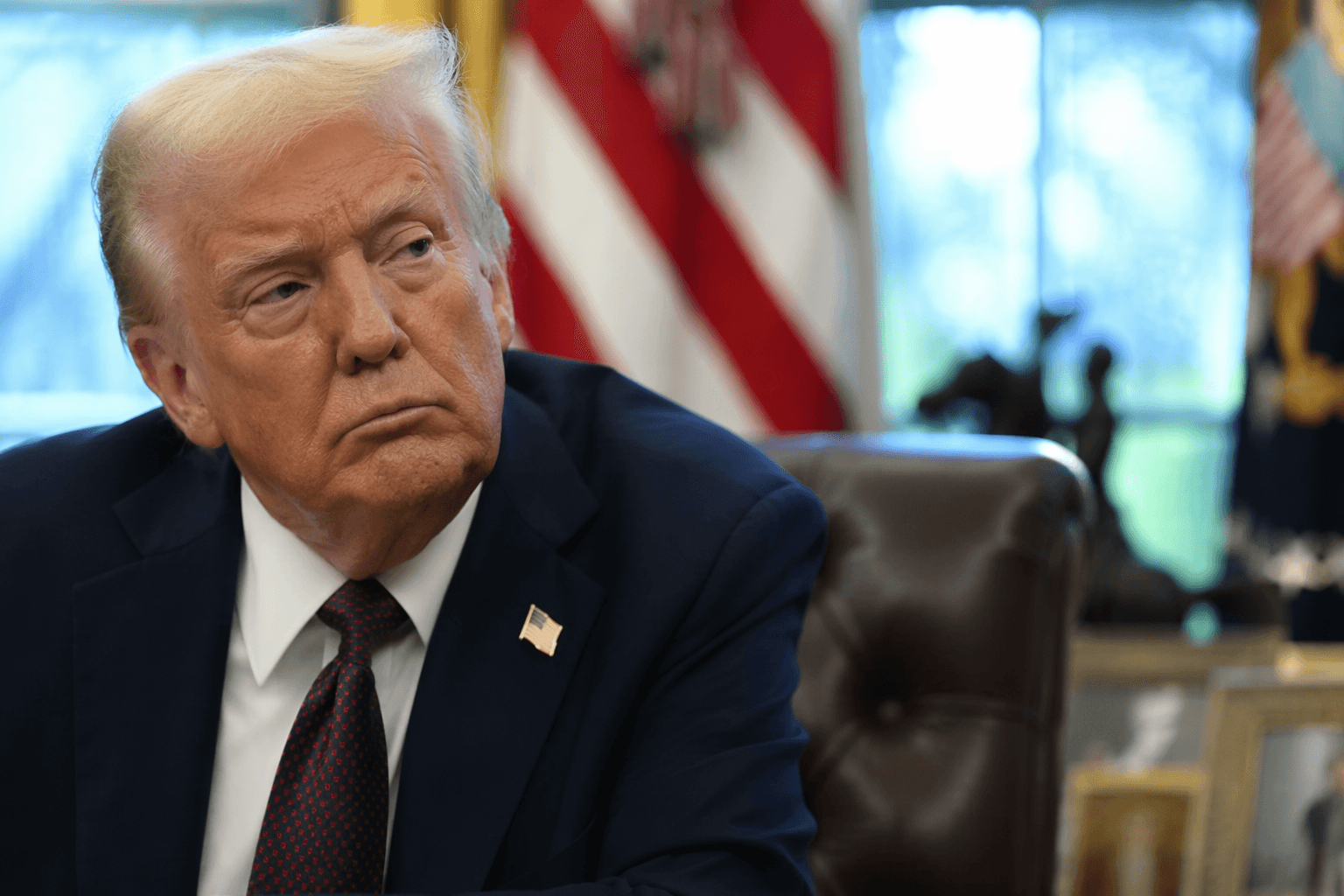
Acting Attorney General Todd Blanche tried to blunt the political fallout by calling the fund “not a slush fund” and saying “anybody can apply.” He also said the fund would have no partisan requirements. But that explanation left the central problem untouched. Blanche would not promise to bar Jan. 6 rioters, Trump campaign donors or Republican lawmakers whose phone records were seized during Jack Smith’s investigation. The department also said a five-member commission appointed by Blanche will decide claims, keeping the key gatekeepers inside the administration.
Vice President JD Vance added another defense, suggesting even Hunter Biden could seek money. That line was meant to show the program was neutral, but it did not answer the core concern: the fund was created inside a settlement tied to Trump’s own legal fight, using federal money, to compensate people who claim they were targeted by the Biden-era Justice Department. The White House and Justice Department have offered a sweeping political narrative, but the details so far show a narrower and more unusual arrangement, one that leaves the administration struggling to match its rhetoric with the mechanics of the fund itself.
Know something we missed? Have a correction or additional information?
Submit a Tip