Trump administration drafts ban on Chinese data center devices
Washington moved to bar new Chinese optical transceivers from U.S. data centers, widening the tech split beyond chips into the hardware behind AI clouds.
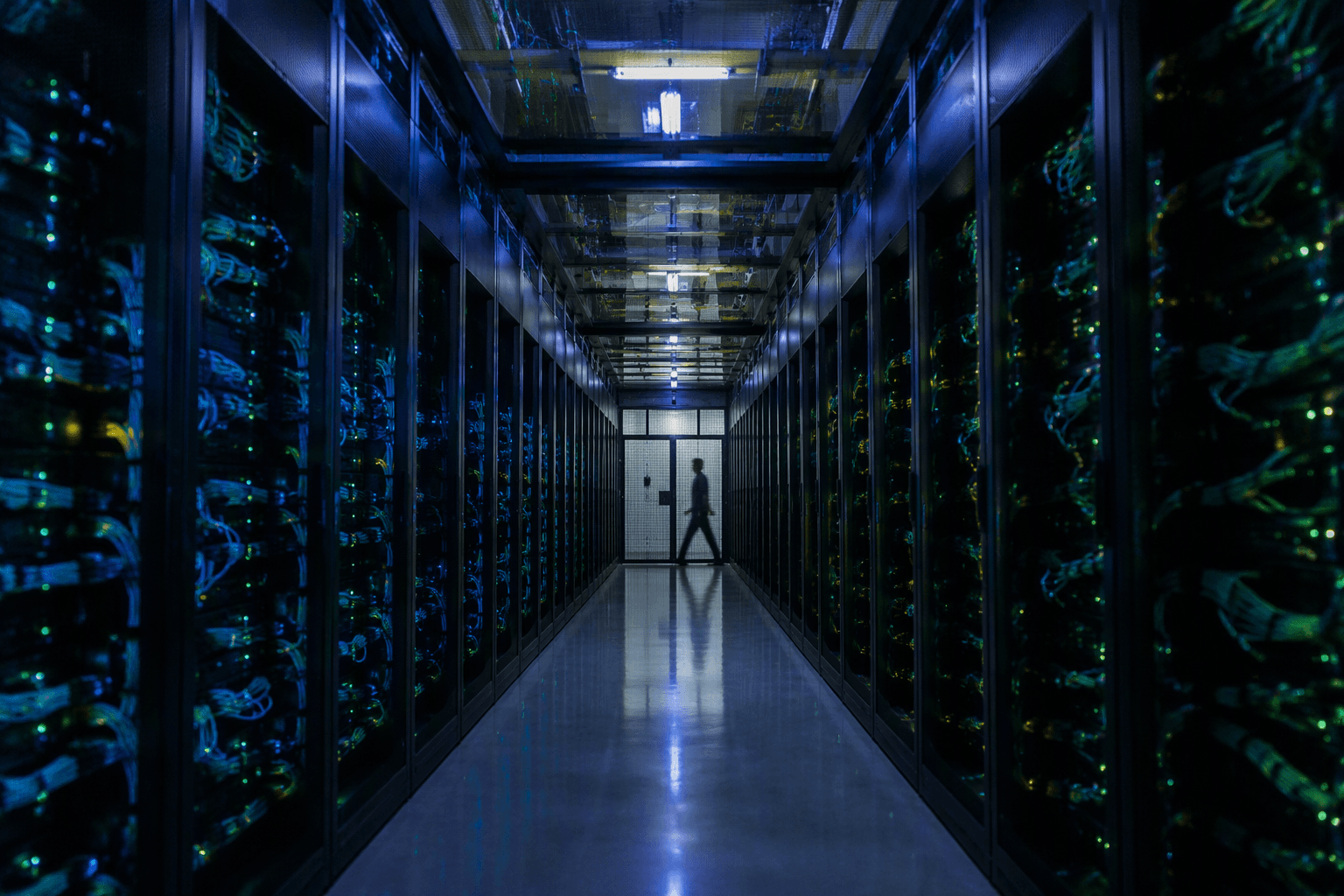
The Federal Communications Commission is drafting a ban on U.S. imports of new Chinese optical transceivers used in data centers, a move that would push Washington deeper into the hardware layer of the AI economy. The proposal is still in its early stages and would target new models of Chinese components rather than every device already installed in U.S. facilities.
Optical transceivers sit at the heart of modern data centers, moving data over fiber-optic cables at very high speed. That makes them central to the cloud services, enterprise computing and artificial intelligence workloads now drawing enormous capital spending from hyperscalers, server makers and network equipment suppliers. The policy focus reflects a broader concern in Washington that Chinese-made hardware inside sensitive digital infrastructure could create security risks through firmware, network access, maintenance channels or other hidden pathways.
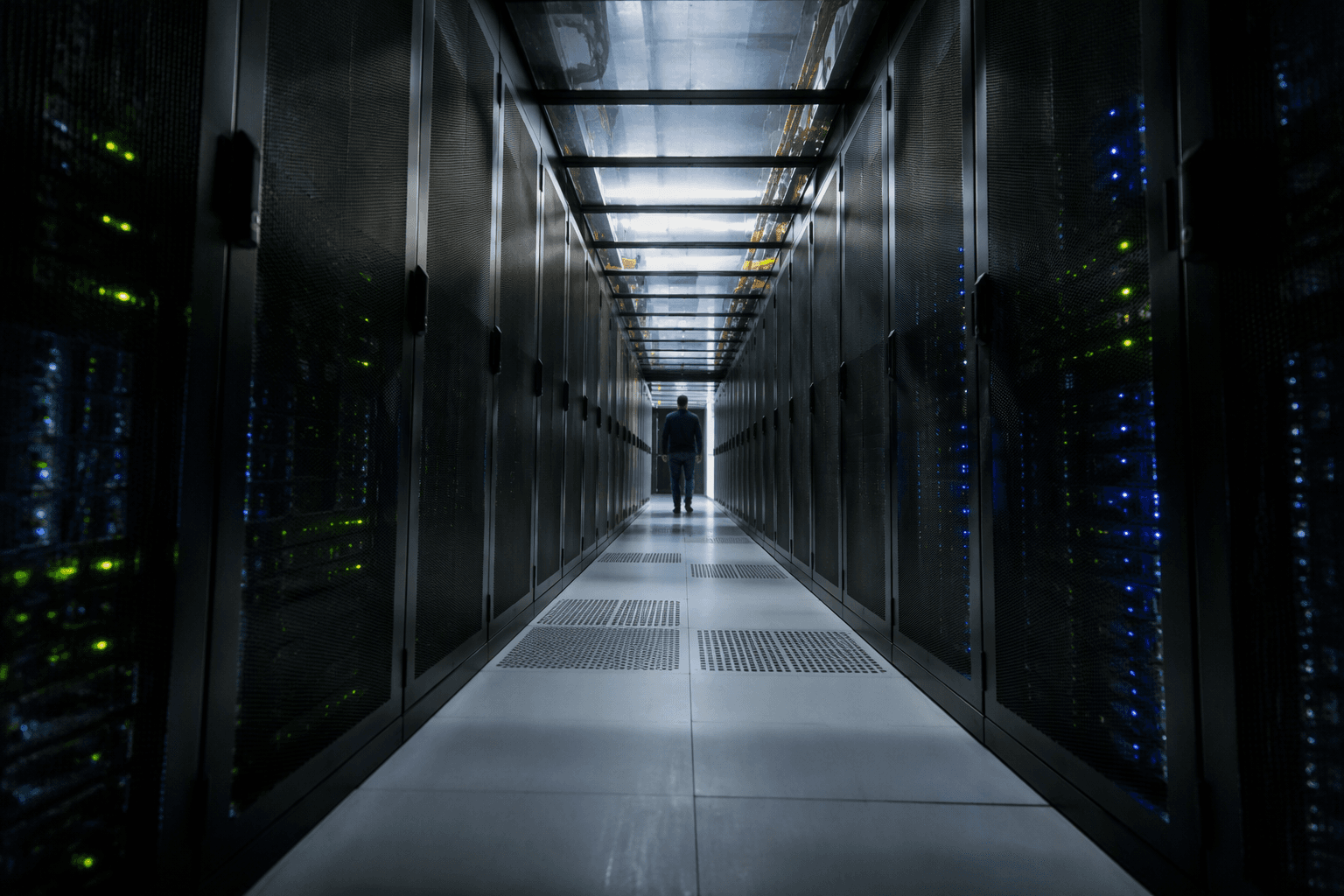
The immediate effect would fall first on procurement. Data center operators and equipment buyers would have to re-map supply chains, decide whether existing Chinese gear can remain in place, and line up replacement parts from U.S. or allied suppliers over time. Chinese vendors would lose access to a large slice of the U.S. buildout, while companies such as Zhongji Innolight, Coherent and Lumentum could be pulled into the shift as buyers look for alternative sources.
On Oct. 3, 2024, the U.S. government eased export-control restrictions for AI chips bound for qualifying data centers. On July 28, 2026, the Trump administration moved to ban new Chinese humanoid robots and inverters to protect the U.S. AI buildout.
This article was produced by Prism’s automated news system from verified source data, official records, and press releases, then run through automated quality and moderation checks before publishing. The system is built and supervised by the people who set the standards it runs under. Read our full AI policy.
Did this article answer your question?