US signs deal to triple Patriot, quadruple THAAD production
The Pentagon’s seven-year framework aims to triple Patriot output, quadruple THAAD and add a second PAC-3 rocket-motor source after war-driven stockpile strain.
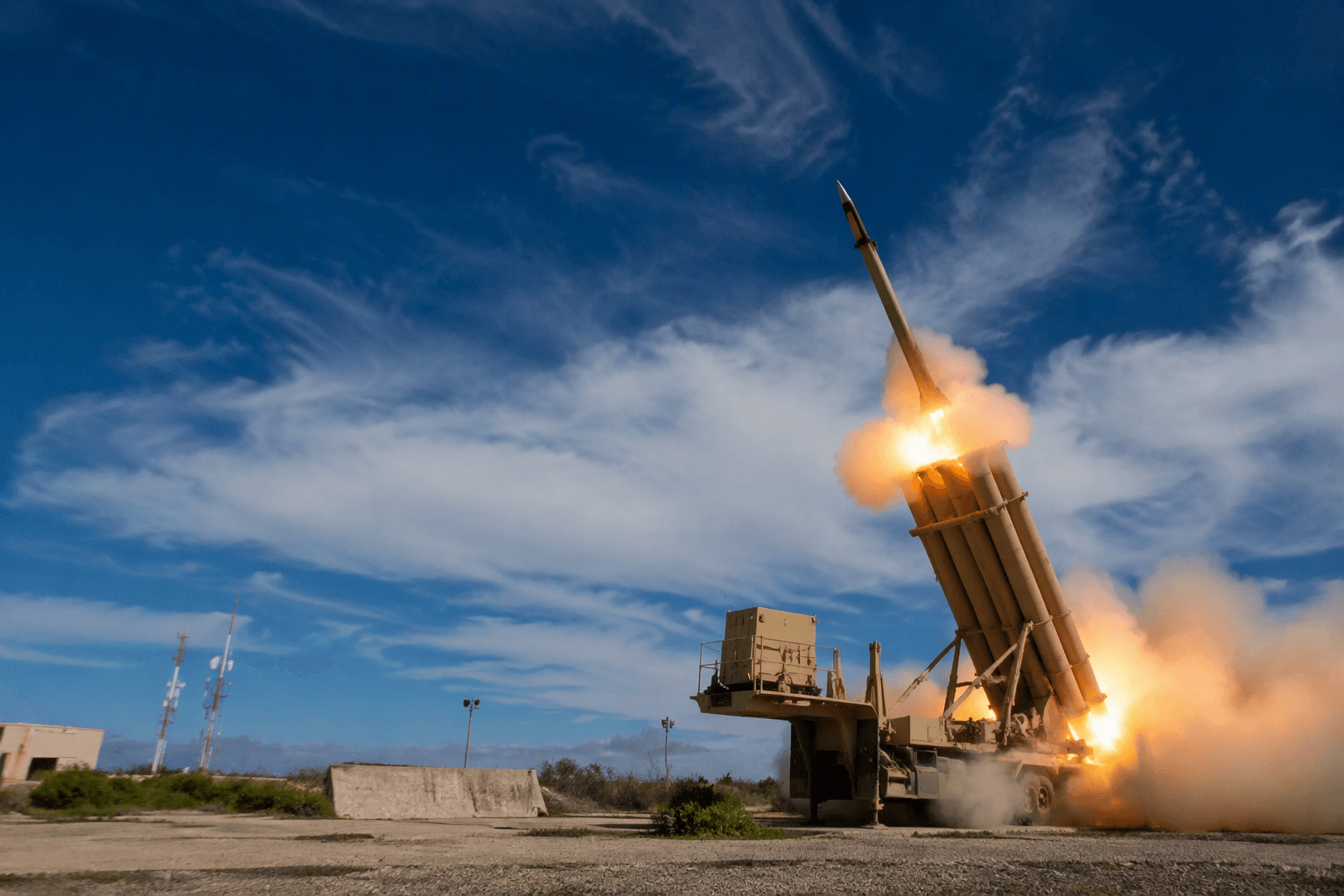
The Defense Department signed a seven-year framework with Lockheed Martin and Northrop Grumman on Aug. 3 to expand production of parts used in Patriot PAC-3 and THAAD missile-defense systems. The Pentagon said the deal would triple Patriot production and quadruple THAAD output, while adding a second source for PAC-3 solid rocket motors and increasing production of ignition safety devices, a sign that the bottleneck reaches deep into the supply chain, not just the final assembly line.
The push comes after years of heavier demand for air and missile defense, driven by the wars in Ukraine and the fighting between Iran and Israel, which have pressured U.S. and allied interceptor stocks. On July 29, the U.S. Army awarded Lockheed Martin a $58.62 billion contract modification for PAC-3 Patriot missile production, described as the largest PAC-3 Patriot missile deal ever, underscoring how aggressively Washington is trying to refill inventory.
The new framework also builds on a string of earlier industrial moves. On July 27, L3Harris said it had signed a framework to quadruple THAAD propulsion production. In early 2026, Lockheed Martin also said it planned to quadruple THAAD interceptor production for the United States and allies. Together, the agreements point to a broader effort to increase capacity for propulsion, motors and other critical components that constrain missile output even when demand is clear.
That matters for commitments to allies in Europe, the Middle East and the Indo-Pacific, where Patriot and THAAD batteries are a central part of layered air defense. Lockheed Martin targeted the European market for THAAD missile defense in September 2025, reflecting interest well beyond U.S. forces. For allied governments, the question is whether Washington can defend its own forces and still supply partners quickly enough as regional tensions rise.
The timing also fits a wider effort to shore up the defense industrial base after repeated warnings that production lines for advanced munitions move too slowly for modern combat. Lockheed Martin and RTX both lifted their 2026 forecasts in July as the Pentagon moved to restock weapons, showing that the replenishment cycle now reaches across multiple contractors and programs. The seven-year horizon of the framework suggests the U.S. is trying to lock in capacity before the next crisis exposes the same shortfall again.
This article was produced by Prism’s automated news system from verified source data, official records, and press releases, then run through automated quality and moderation checks before publishing. The system is built and supervised by the people who set the standards it runs under. Read our full AI policy.
Did this article answer your question?