Appeals court revives Jack Daniel’s dog toy parody trademark fight
The Ninth Circuit revived Jack Daniel’s parody dog-toy fight, sending the Bad Spaniels trademark case back into litigation. The ruling tests how far joke products can mimic famous brands.
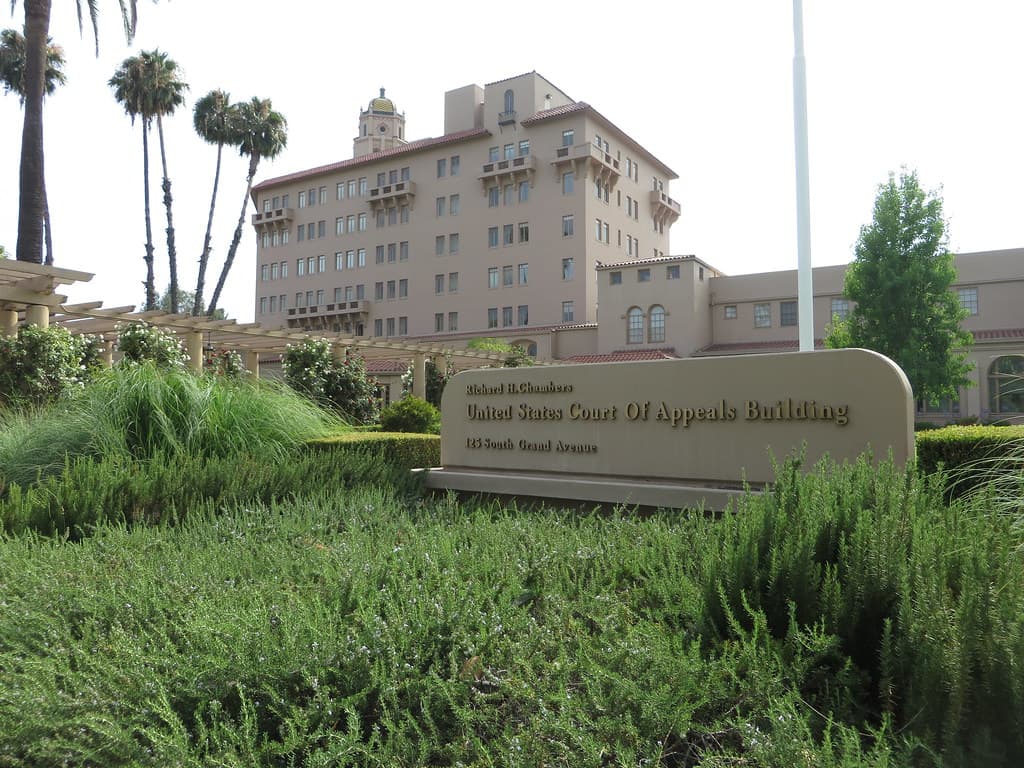
A federal appeals court revived Jack Daniel’s trademark fight over VIP Products’ Bad Spaniels dog toy on Aug. 4, wiping out Jack Daniel’s district court victory and sending the parody dispute back into litigation. The U.S. Court of Appeals for the Ninth Circuit acted in No. 25-2027, on appeal from the U.S. District Court for the District of Arizona before Judge Stephen M. McNamee.
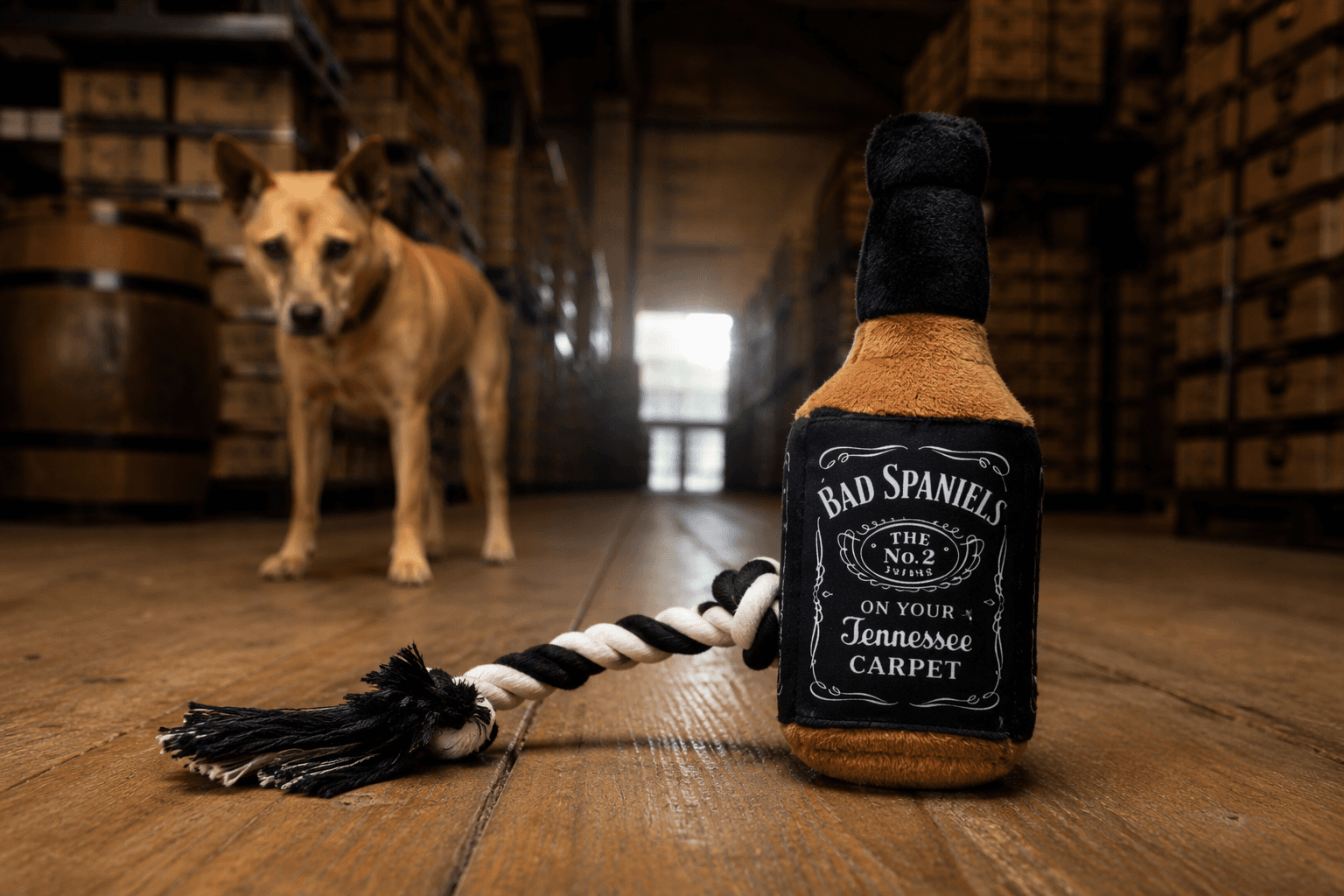
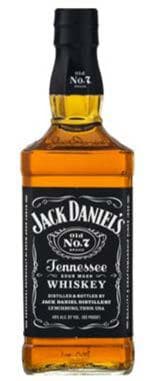
Bad Spaniels copies the look of a Jack Daniel’s whiskey bottle and label, but turns the brand into a canine joke. Jack Daniel’s has argued that the toy dilutes and tarnishes its mark and can confuse consumers, while VIP Products, an Arizona company, has said the toy is protected parody under the First Amendment and trademark rules that leave room for commentary and humor.
The case has already gone to the U.S. Supreme Court, which in Jack Daniel’s Properties, Inc. v. VIP Products LLC, 599 U.S. 140 (2023), said that when a defendant uses a trademark as a source identifier, ordinary trademark principles apply. After that ruling, the district court again ruled for Jack Daniel’s on dilution and tarnishment claims, only for the Ninth Circuit to reverse that outcome in its latest opinion. The appellate court had also issued an earlier opinion in the case on March 31, 2020, in VIP Products LLC v. Jack Daniel’s Properties, Inc., helping turn the dispute into one of the most closely watched parody-trademark cases in recent years.
The stakes now reach far beyond whiskey and dog toys. Brands that sell novelty goods, satirical merchandise and expressive knockoffs are watching for clues on where courts will draw the line between protected parody and unlawful brand dilution. A ruling that gives parody more room could make it harder for trademark owners to stop joke products that borrow logos, packaging or other recognizable features. A narrower view could give companies stronger tools to challenge small designers and merch makers whose humor depends on copying a famous look closely enough for consumers to recognize the target.
For Jack Daniel’s, the fight is about more than a bottle shape or label design. For the broader marketplace, it is a boundary-setting case that could shape how courts handle trademark disputes involving satire, consumer products and the growing business of jokes sold for profit.
This article was produced by Prism’s automated news system from verified source data, official records, and press releases, then run through automated quality and moderation checks before publishing. The system is built and supervised by the people who set the standards it runs under. Read our full AI policy.
Did this article answer your question?