Trump administration fights lawsuit over visa bans for social media researchers
A federal judge weighed a Trump-era visa policy that could keep social media researchers out of the United States for their work on online speech and platform safety.
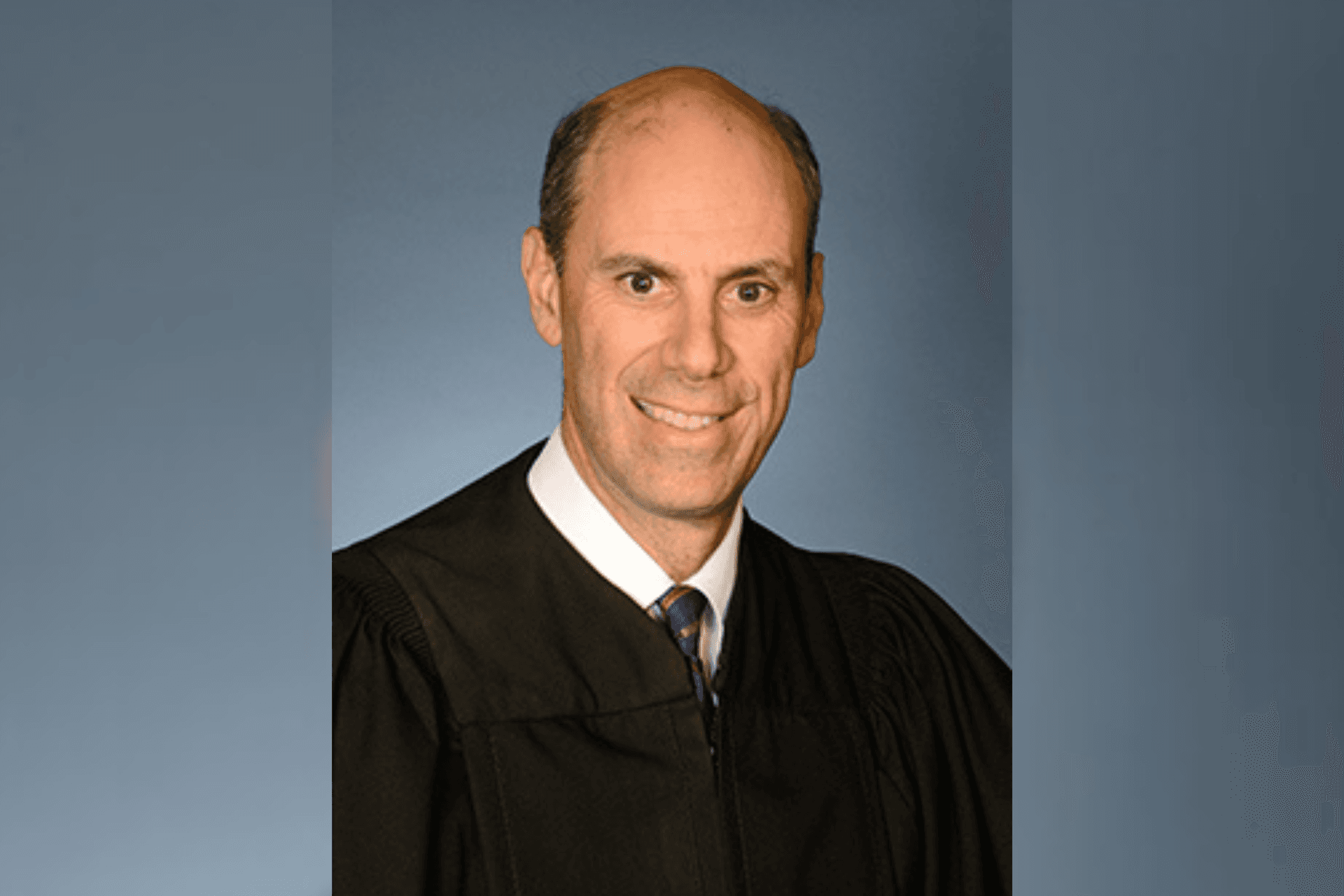
The Trump administration defended a visa policy Wednesday that plaintiffs say turns immigration law into a tool for punishing disfavored views online. U.S. District Judge James E. Boasberg heard arguments in Coalition for Independent Technology Research v. Rubio, a case that challenges whether the government can bar noncitizen researchers, advocates, fact-checkers and trust and safety workers because of their work studying social media platforms.
The lawsuit, filed March 9, 2026, in U.S. District Court for the District of Columbia, names Secretary of State Marco Rubio, Homeland Security Secretary Kristi Noem and Attorney General Pamela Bondi in their official capacities. The Coalition for Independent Technology Research, represented by the Knight First Amendment Institute and Protect Democracy, seeks declaratory and injunctive relief to stop enforcement of the policy. The plaintiffs also filed a motion for a preliminary injunction and a section 705 stay on March 26, 2026.
The dispute traces back to May 28, 2025, when Rubio announced a visa restriction policy aimed at foreign nationals he said were responsible for censorship of protected expression in the United States. Protect Democracy says the State Department later directed employees, on December 2, 2025, to scrutinize visa applicants for work in trust and safety, fact-checking, content moderation and compliance. On December 23, 2025, Rubio announced immigration consequences for five individuals accused of leading efforts to “censor” American viewpoints, saying their presence could cause “serious adverse foreign policy consequences.”
The coalition says the policy has already hit its members. It says some were barred from the United States at the end of 2025 because of research on online hate speech and platform advertising policies and practices. The group argues the policy reaches far beyond a handful of named experts, affecting people who study artificial intelligence, digital surveillance, biased algorithms, child sexual abuse material, fraud and human trafficking, along with the ways social media and other platforms shape public debate. Brandi Geurkink, the coalition’s executive director, said researchers are afraid they and their families will be targeted. Knight Institute lawyer Carrie DeCell said the administration is using the threat of detention and deportation to suppress disfavored speech.
The case has drawn amicus support from the Integrity Institute, the Electronic Frontier Foundation and the Poynter Institute for Media Studies. At stake is whether the government can use border power to decide who may enter the country based on work that critics say is essential to academic exchange, tech policy debate and scrutiny of online speech.
This article was produced by Prism’s automated news system from verified source data, official records, and press releases, then run through automated quality and moderation checks before publishing. The system is built and supervised by the people who set the standards it runs under. Read our full AI policy.
Did this article answer your question?

