Trump administration moves marijuana to Schedule III for research, access
Marijuana moved to Schedule III, opening a path for more research and some tax relief, but federal illegality for medical and recreational use stayed in place.

The Trump administration moved marijuana into Schedule III, a category alongside drugs such as Tylenol with codeine, in a step designed to widen research access and ease some commercial pressure on the cannabis industry while leaving federal illegality intact.
Acting Attorney General Todd Blanche signed the order on April 23, 2026, reclassifying FDA-approved marijuana products and state-licensed medical marijuana from Schedule I to Schedule III. The Justice Department said it was acting under authority tied to the United States’ obligations under the Single Convention on Narcotic Drugs. The move follows a proposed rule the department issued on May 16, 2024, and an executive order President Donald J. Trump signed on December 18, 2025, calling for more medical marijuana and cannabidiol research.
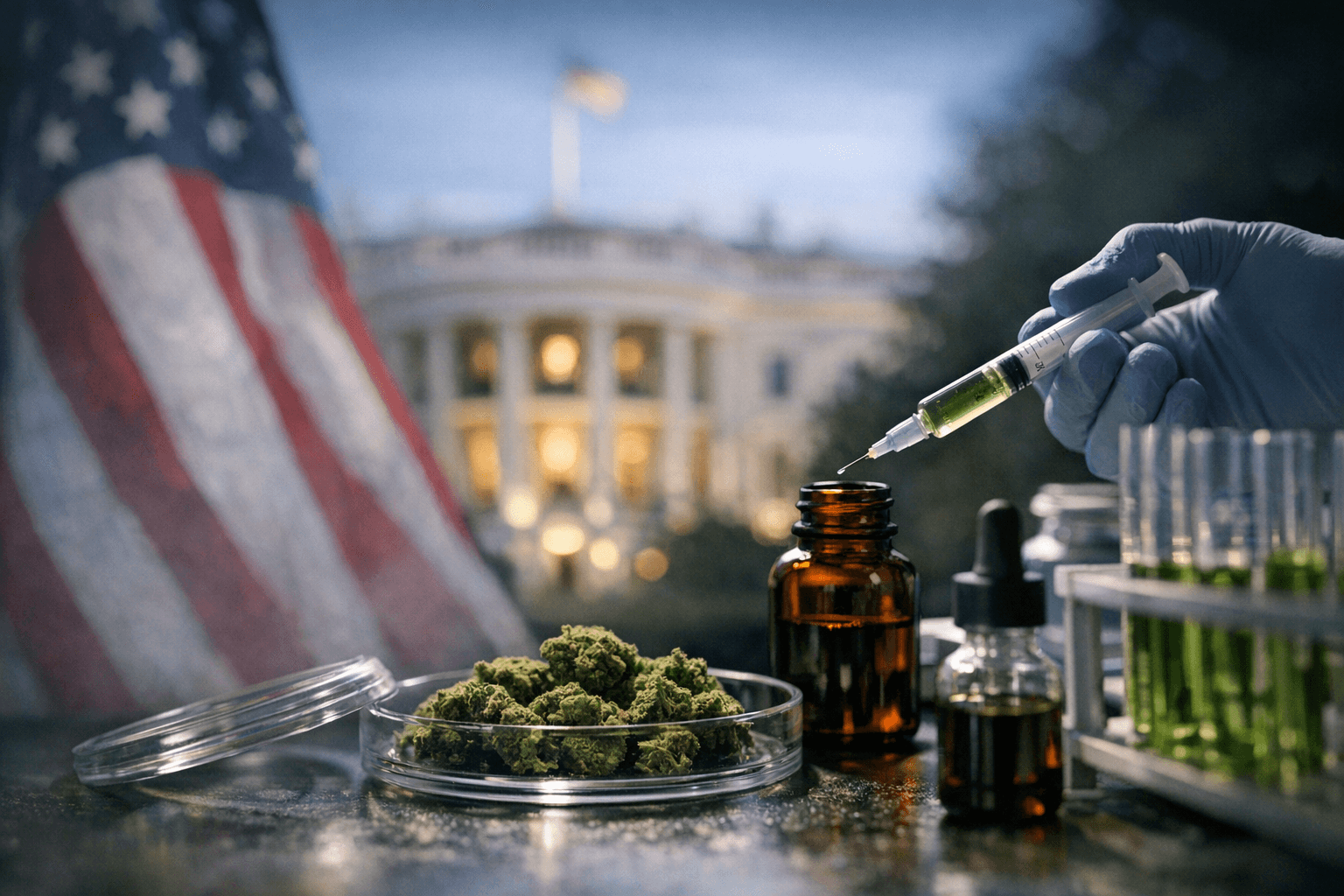
The practical shift is meaningful, but narrower than the headline suggests. Marijuana had sat in Schedule I under the Controlled Substances Act since 1970, a category reserved for drugs the federal government says have a high potential for abuse and no accepted medical use. Schedule III drugs are described by Drug Enforcement Administration materials as having a moderate to low potential for physical and psychological dependence. Other drugs in that tier include ketamine, buprenorphine, anabolic steroids and products containing codeine.
For patients and researchers, the rescheduling could matter most in how studies are designed and what evidence regulators can consider. The White House said the change could improve medical knowledge and facilitate research on marijuana and legal CBD products, including work that uses real-world evidence and examines long-term health effects in adolescents and young adults. That would make it easier to study how marijuana affects heavy users, young people and patients who already receive state-licensed medical cannabis.
For banks, prosecutors and state-licensed businesses, the legal line remains cloudy. The administration’s action does not legalize marijuana for medical or recreational use under federal law. That means state markets still operate in a gray zone, and cannabis companies still face uncertainty even if Schedule III can improve access to financing, reduce tax burdens and support more scientific work. Industry observers have argued for years that the move should help capital formation, but banking access is not likely to be solved without further federal action.
The market responded immediately. Cannabis-related stocks rose on expectations that rescheduling would eventually arrive. The policy may now change the business math for state-licensed operators and the research agenda for universities and drug makers, but it did not erase the conflict between federal law and state cannabis markets.
Know something we missed? Have a correction or additional information?
Submit a Tip