Trump administration opens tariff refund portal for businesses after Supreme Court ruling
Businesses that paid now-invalid tariffs can begin filing refunds Monday, with billions in payments and interest tied up in a new federal claims process.
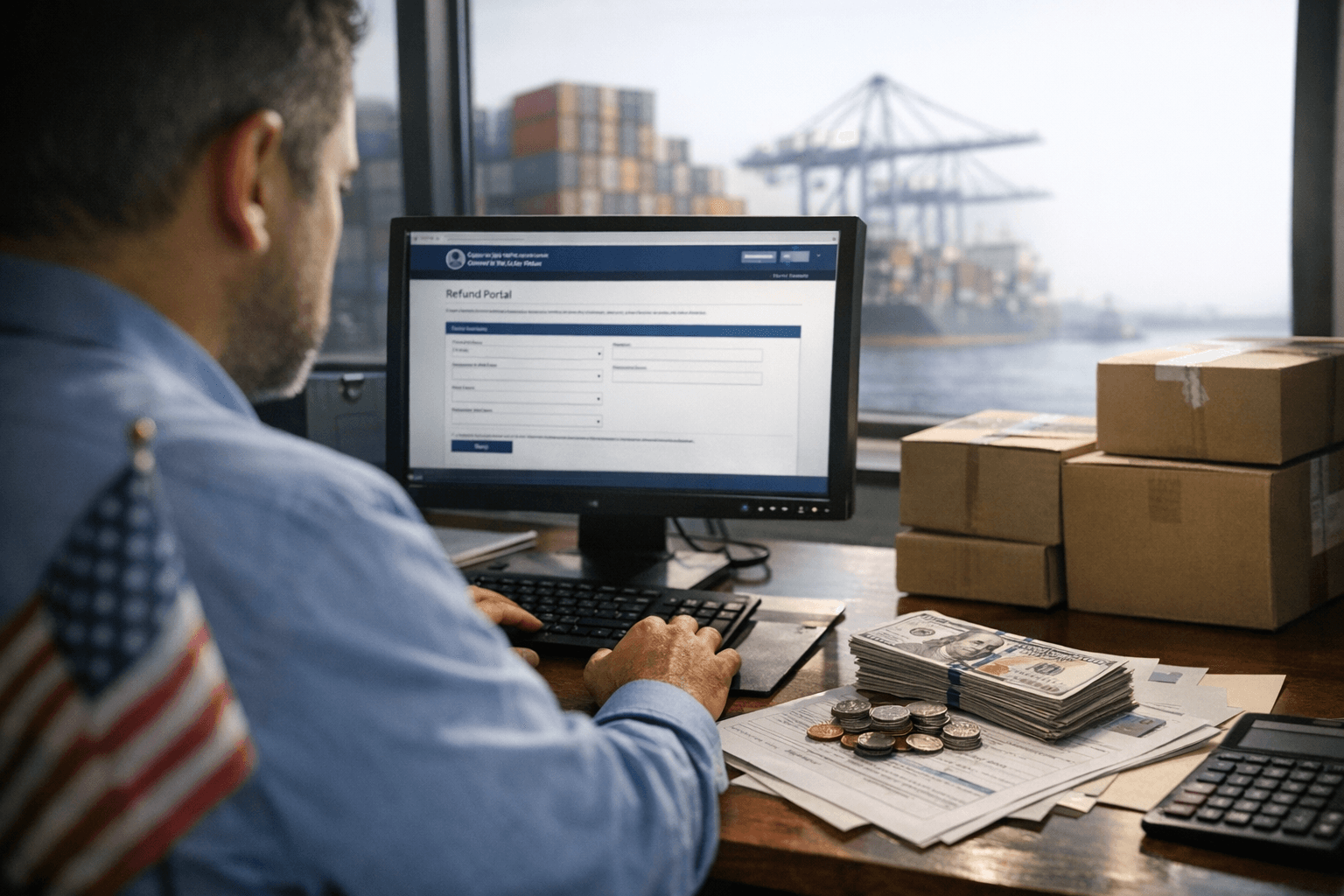
Companies that paid tariffs later ruled illegal by the Supreme Court began filing for refunds Monday as the Trump administration opened an online portal for the first phase of reimbursements. The move turns a legal victory for importers into an administrative process, with money no longer flowing back automatically at the border.
The portal is aimed at handling billions of dollars in tariff payments and interest that the government must return under court orders. For businesses that have carried those costs for months, the refund process could ease cash flow, but only if claims are filed correctly and processed without delay.
Who qualifies will depend on which tariff entries are covered by the ruling and whether companies can prove they paid the duties at issue. Importers, customs brokers and tax teams now have to assemble the supporting records, identify the eligible entries and submit claims through the federal system rather than waiting for an automatic credit. Smaller businesses, which often have fewer staff dedicated to customs compliance, may find the paperwork especially demanding.
The first phase suggests a staged rollout, with more complicated claims likely to follow as the agency works through a larger universe of importers. That raises the main operational question for businesses: how quickly the government can verify submissions and start sending money back. Any slowdown would keep working capital tied up, especially for firms that paid large tariff bills on repeated shipments.
For manufacturers and retailers, the stakes go beyond a one-time refund. Tariff reimbursements can improve liquidity, reduce pressure on borrowing and free up cash that had been sitting on balance sheets as a trade-policy cost. The longer the review takes, the longer companies wait to recover that capital.
The launch also carries political weight because it forces the administration to implement a Supreme Court ruling that directly affects one of President Donald Trump’s core trade policies. For now, the portal is less a bureaucratic milestone than delayed cash-flow relief for companies that paid duties the courts said should not have stood.
This article was produced by Prism’s automated news system from verified source data, official records, and press releases, then run through automated quality and moderation checks before publishing. The system is built and supervised by the people who set the standards it runs under. Read our full AI policy.
Did this article answer your question?