Trump administration proposes 25% tariff on many imports from Brazil
A proposed 25% tariff would hit many Brazilian goods, but not beef, coffee or aircraft parts, sharpening pressure on U.S. supply chains and imports tied to Brazil.

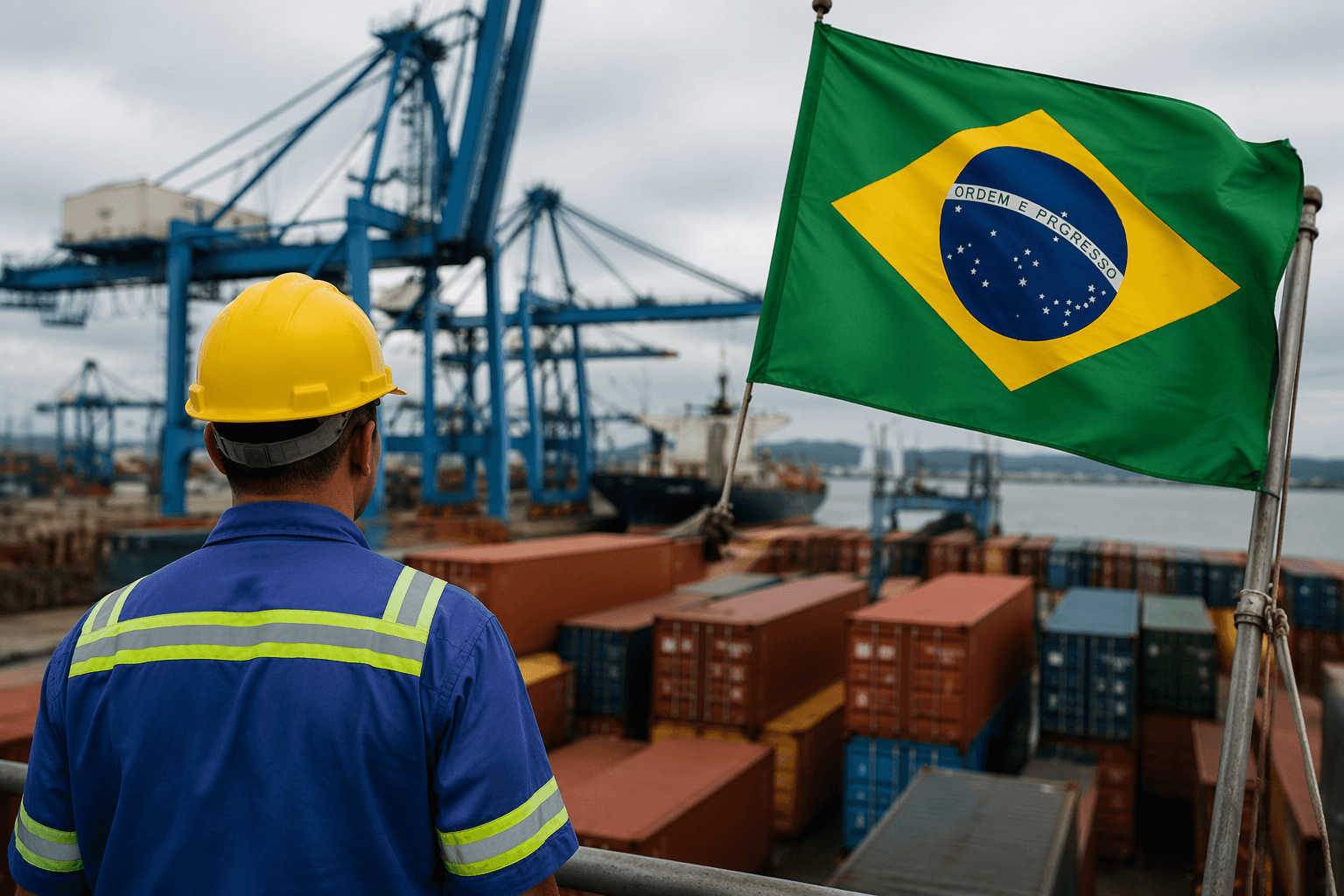
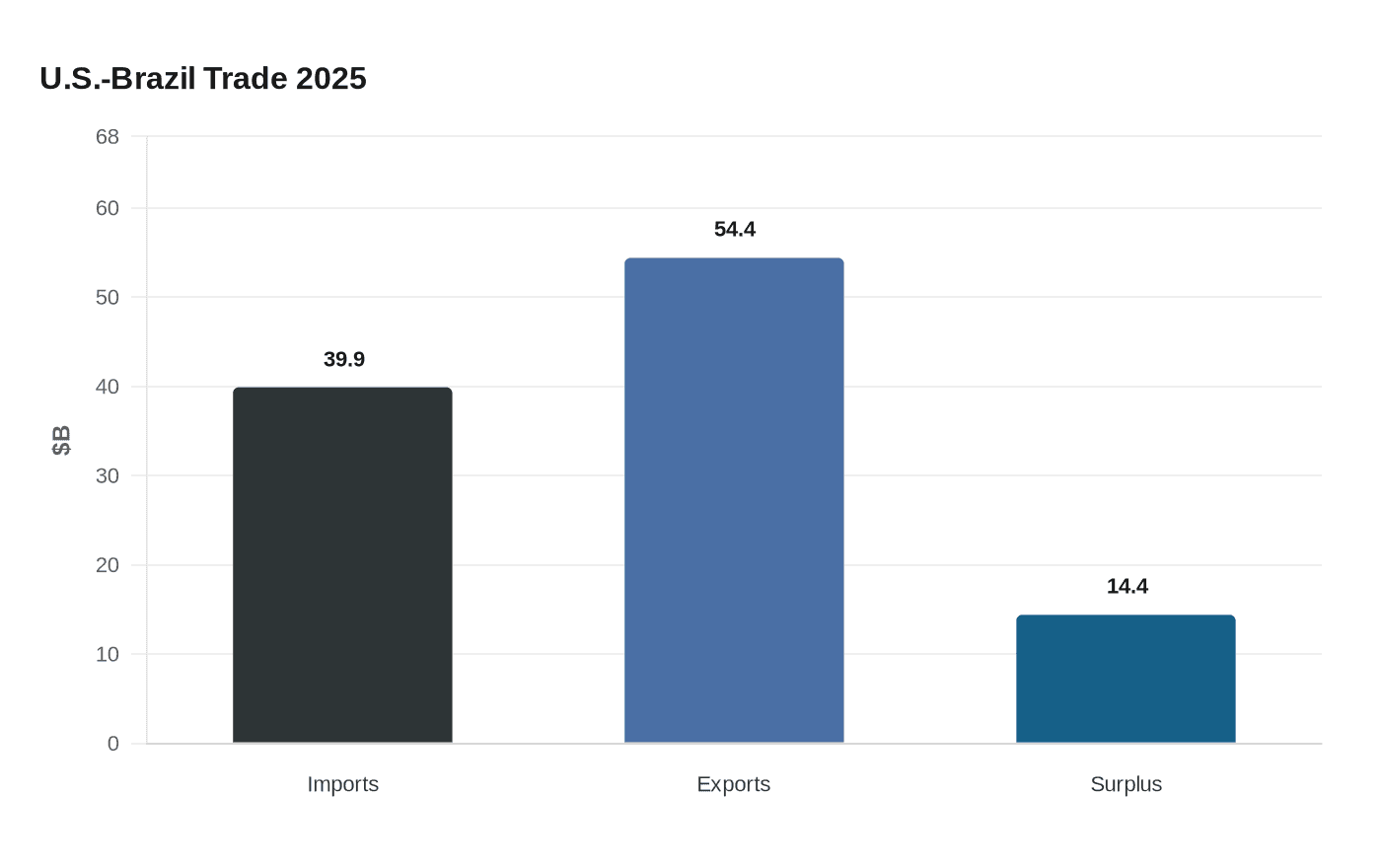
Brazilian goods outside a set of carve-outs now face a proposed 25% tariff, a move that could raise costs for U.S. companies tied to Brazil’s energy, agriculture, machinery and aircraft supply chains even as beef, coffee, rare earths, other metals and aircraft parts are exempted. The Trump administration is using the threat to press one of Latin America’s largest economies at a moment when U.S. imports from Brazil still totaled $39.9 billion in 2025 and U.S. goods exports to Brazil reached $54.4 billion, leaving Washington with a $14.4 billion goods surplus.
The Office of the United States Trade Representative said Brazil’s trade and regulatory practices involving digital trade, electronic payment services, unfair preferential tariffs, anti-corruption enforcement, intellectual property protection, ethanol market access and illegal deforestation are actionable under Section 301 because they are “unreasonable” and burden or restrict U.S. commerce. Ambassador Jamieson Greer said he launched the investigation at President Donald Trump’s direction and has held “longstanding and pervasive” discussions of U.S. concerns with President Luiz Inácio Lula da Silva and his cabinet over the past year, even as substantial differences remain.
USTR scheduled a public hearing on the proposed action for July 6, 2026, with requests to appear due June 22 and written comments due July 1. That comes after the investigation began on July 15, 2025, when USTR first requested consultations with Brazil and set a September 3, 2025 hearing. The agency’s latest step keeps negotiations open while moving closer to retaliation, a familiar pattern in Trump’s trade playbook.

The tariff fight lands on top of a longer bilateral framework that has produced little recent high-level contact. The United States and Brazil signed an Agreement on Trade and Economic Cooperation in 2011, expanded it with a protocol in 2020 that entered into force in 2022, but the bilateral commission last met in 2016. With U.S. goods and services trade with Brazil estimated at $127.6 billion in 2024, the dispute carries stakes well beyond tariffs alone, touching investment flows, industrial sourcing and market access in both directions.
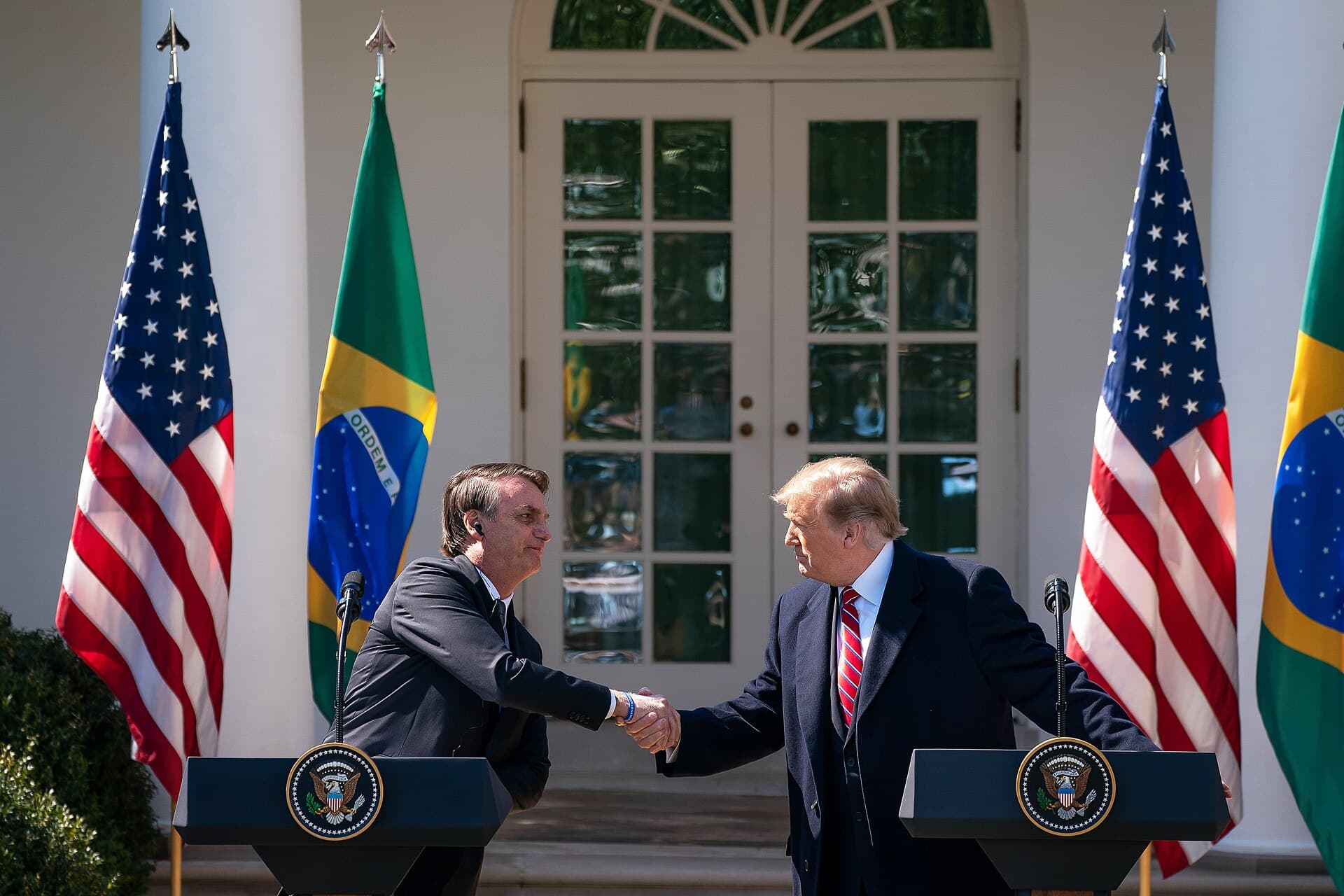
The latest proposal also follows an earlier White House move in November 2025 that imposed an additional 40% ad valorem duty on certain Brazilian goods before narrowing the scope after an October 6, 2025 call between Trump and Lula, with some agricultural imports later exempted after early progress in talks. That sequence shows the administration using tariffs not only as punishment but as leverage and political signal, both to Brasília and to other trading partners watching how far Washington is willing to go.
This article was produced by Prism’s automated news system from verified source data, official records, and press releases, then run through automated quality and moderation checks before publishing. The system is built and supervised by the people who set the standards it runs under. Read our full AI policy.
Know something we missed? Have a correction or additional information?
Submit a Tip
