Trump administration pushes UN pact to prioritize trade over aid
Washington is pressing foreign capitals to sign a U.N. declaration that elevates trade over aid, even as global development funding posted its sharpest drop on record.

The Trump administration has ordered U.S. diplomats to lobby foreign governments for a new United Nations declaration that would elevate trade and commercial ties over traditional foreign aid, a sharp attempt to recast how Washington sells development policy. In a cable dated April 15, Secretary of State Marco Rubio told embassies and consular posts to seek backing at the highest appropriate level and to secure signatures by April 20, before the declaration is formally introduced at the U.N. later this month.
The initiative goes beyond symbolism. The cable frames the declaration as a chance for the U.N. system to promote “America First” values and create business opportunities for U.S. companies, turning foreign assistance into a vehicle for economic gain and strategic leverage. Reuters and the Associated Press reported that the proposal pushes member states toward “pro-business reforms” in aid systems, including limited regulation, low taxation, multiple energy sources, private property rights, sanctity of contracts and a trusted judiciary.
That language marks a clear break from the aid model that has defined much of American and U.N. development work for decades, where the central goals have been food relief, public health, disaster response and poverty reduction. The declaration is nonbinding and would not force changes in national laws, but it could still provide diplomatic cover for a broader rewrite of priorities, one that treats market access and private investment as the main engines of development.
The White House’s allies say that is the point. State Department deputy spokesperson Tommy Pigott defended the effort as rooted in free market capitalism and said critics were protecting a “corrupt NGO industrial complex.” U.N. spokesman Stéphane Dujarric said the organization remains committed to its 2030 sustainable development agenda, including ending poverty, advancing gender equality and confronting climate change.
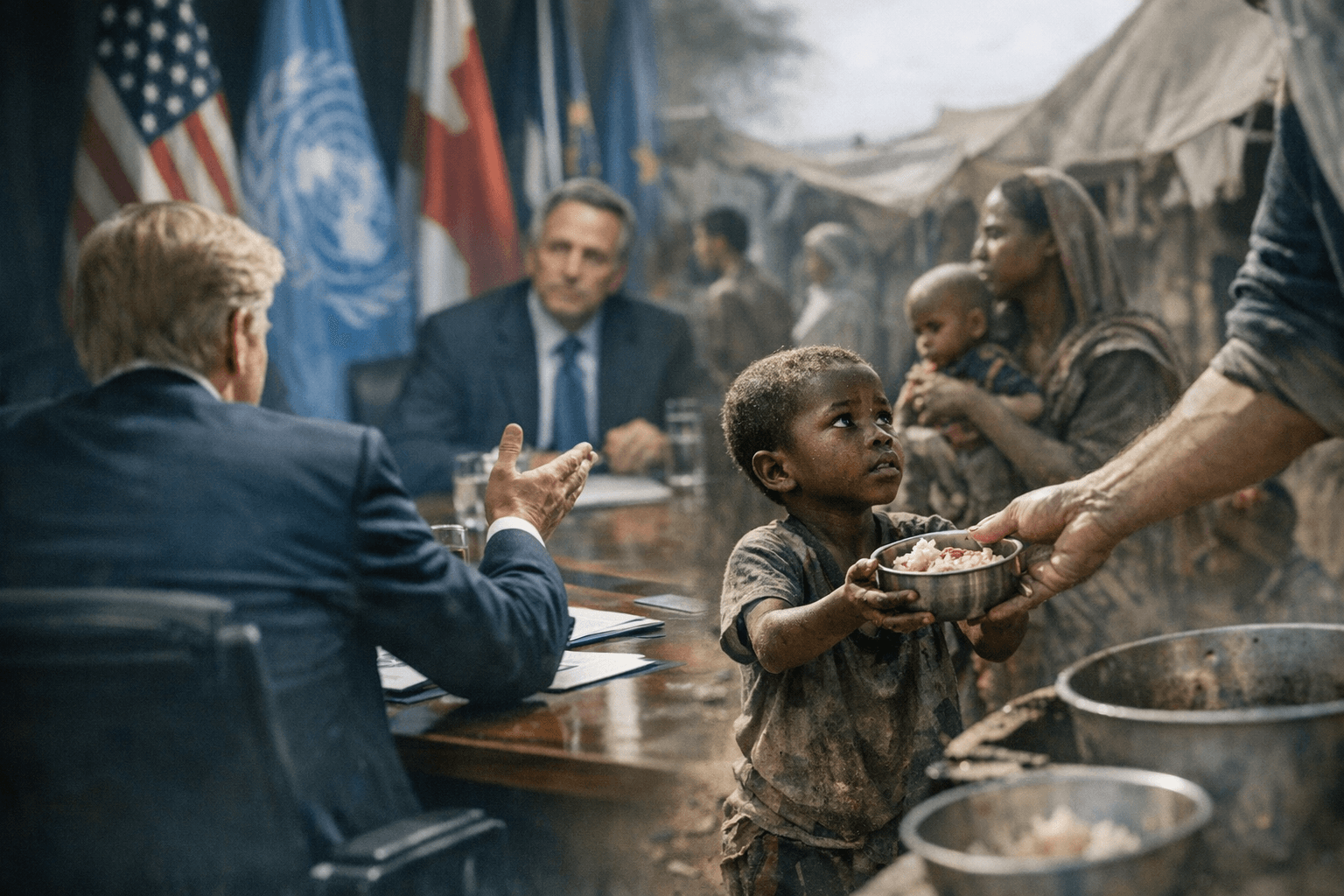
The push comes as the aid system is already under severe strain. Preliminary OECD data released April 9 showed official development assistance from wealthy donor nations fell 23.1% in real terms in 2025 to $174.3 billion, the largest annual decline on record. In 2025, Reuters-linked reporting said Rubio had announced that 83% of USAID programs were terminated, and POLITICO reported that the administration had cut more than 5,300 USAID grants and contracts worth over $27 billion.
For countries dependent on grants for food, health and emergency relief, the risk is immediate: fewer programs, thinner safety nets and more pressure to replace public aid with private capital that may never arrive. Supporters of the new declaration see a harder-edged, more transactional foreign policy. For the people who rely on humanitarian systems to survive, it could mean a quieter but deeper withdrawal of U.S. support, with business interests rising as basic protection falls away.
This article was produced by Prism’s automated news system from verified source data, official records, and press releases, then run through automated quality and moderation checks before publishing. The system is built and supervised by the people who set the standards it runs under. Read our full AI policy.
Did this article answer your question?


