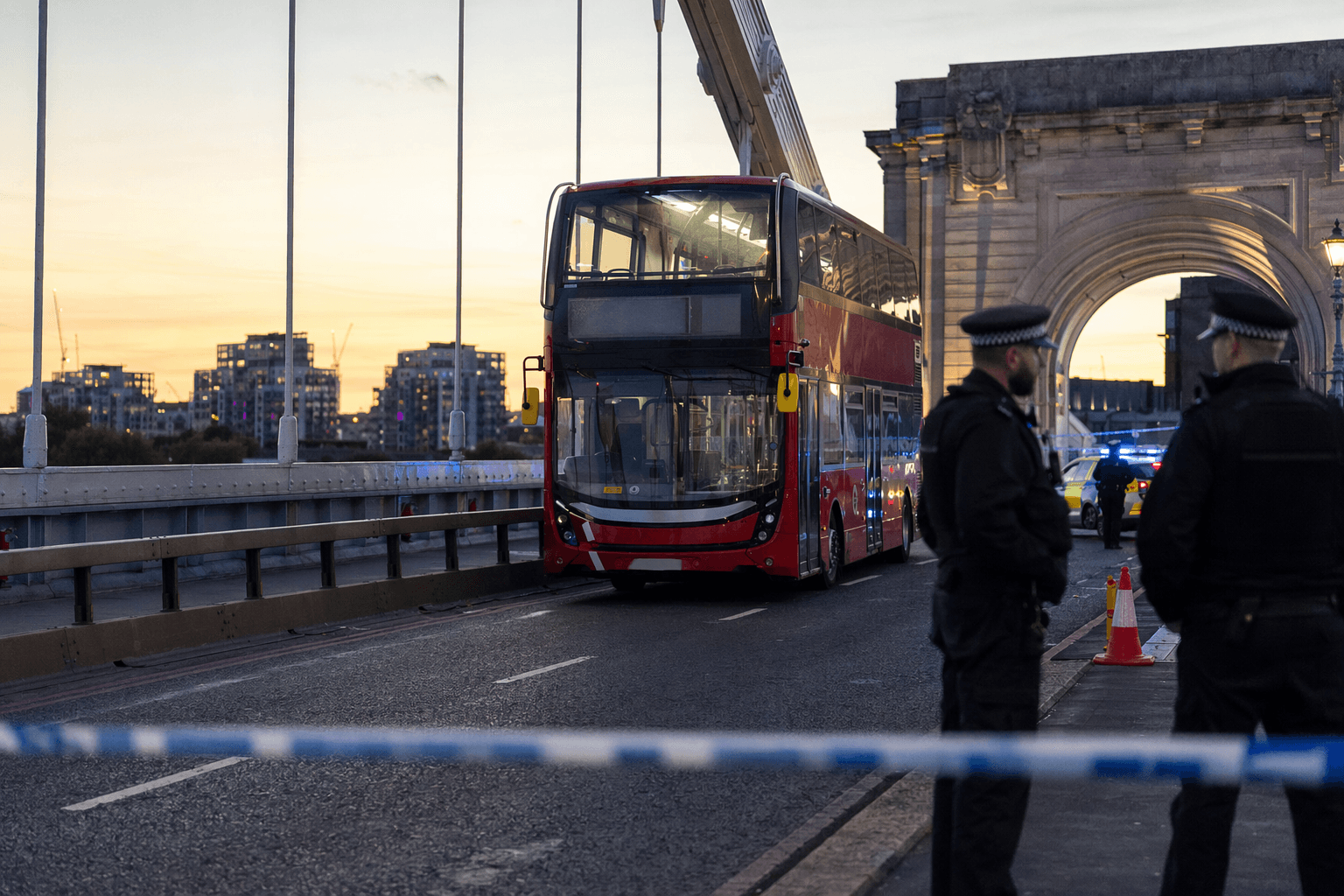
Trump administration to shrink U.S. forces available to NATO crisis response
Washington moved to cut the U.S. crisis-response forces NATO could tap in a major war, signaling a narrower American role on Europe’s front line. Allies feared a slower deterrence clock.

The Trump administration moved to shrink the pool of U.S. military capabilities available to NATO in a major crisis, a shift that would leave Europe more exposed if Russia tested the alliance’s eastern flank. The Pentagon planned to tell allies it would reduce what American forces could be activated under NATO’s crisis-response framework, a step that goes directly to the speed and credibility of deterrence.
The change hit at the heart of the NATO Force Model, the high-readiness structure agreed at the 2022 Madrid summit to replace the NATO Response Force. NATO says the model was built to provide well over 300,000 troops at high readiness when fully implemented, compared with about 40,000 troops under the old response force. It was designed for deterrence and defence, crisis prevention and management, and cooperative security. Stripping back the U.S. contribution would make that promise far more dependent on European armies, air forces, and logistics.
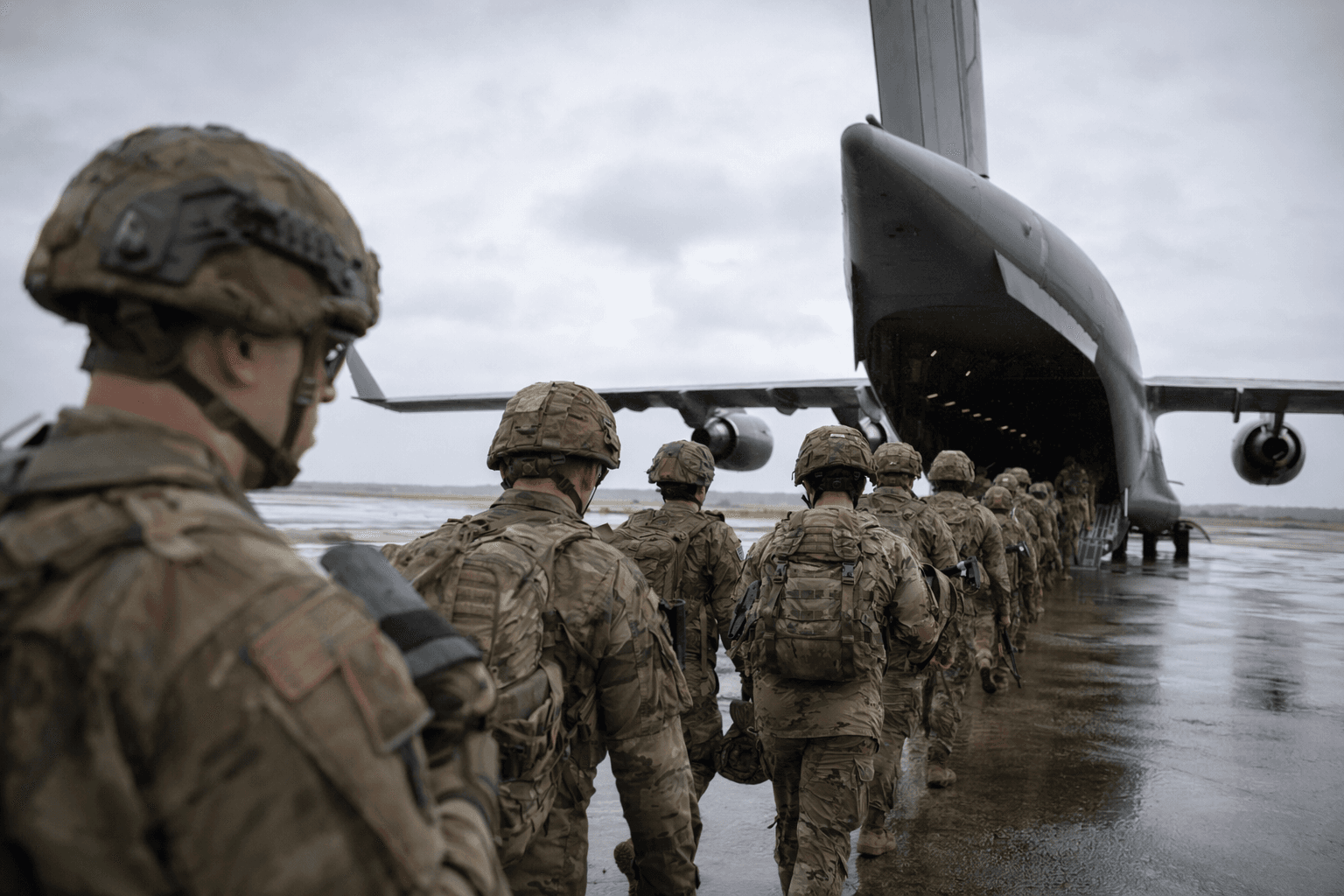
Elbridge Colby, the Pentagon policy chief, said in prepared remarks at a NATO defense ministerial on Feb. 12, 2026, that the United States was prioritizing homeland defense, the Western Hemisphere, and deterrence in the Western Pacific, while Europe took more responsibility for conventional defense. He also said burden-sharing had been part of NATO since the Cold War. Alex Velez-Green, a key aide to Colby, was expected to represent the U.S. at the Brussels meeting where the move was to be discussed with defense policy chiefs.
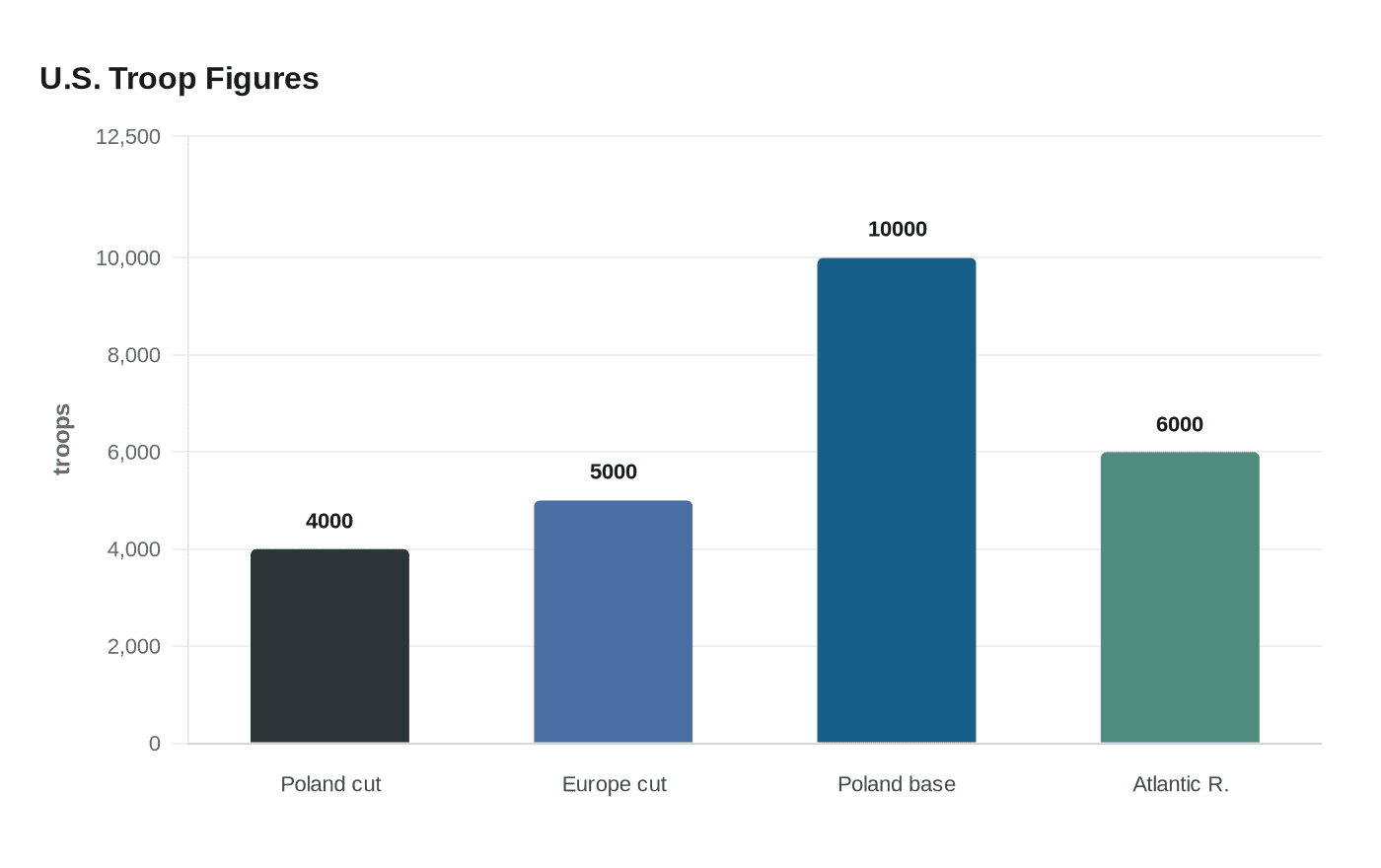
The decision followed other cuts already under way. The Pentagon canceled plans to deploy 4,000 U.S.-based troops to Poland, and the broader Europe drawdown was said to total about 5,000 troops, including a canceled armored brigade combat team and a long-range fires battalion. Army leaders told Congress the Poland cancellation came within the previous two weeks, after equipment was already moving and some advance personnel had deployed. Poland has long been central to NATO planning because it anchors the alliance’s eastern flank and provides land access to the Baltic states. A Congressional Research Service report said the United States has about 10,000 military personnel in Poland and roughly 6,000 involved in Operation Atlantic Resolve in Europe at any given time.
NATO’s own planning underscores what is at stake. The alliance said the 2023 Vilnius summit produced the most comprehensive defense plans since the Cold War, with more emphasis on reinforcement, logistics, and rapid deployment. In June 2025, leaders in The Hague agreed to a 5% of GDP defense-spending framework by 2035, including 3.5% for core defense and 1.5% for related spending. That push was meant to accelerate European rearmament, but replacing U.S. crisis capabilities in a real war would still be a far harder test than meeting a budget target on paper.
Know something we missed? Have a correction or additional information?
Submit a Tip