Trump administration weighs new Pakistan diplomacy after stalled Iran talks
Pakistan is back at the center of U.S.-Iran diplomacy, as stalled Islamabad talks left both sides weighing a second round within days. The venue now matters as much as the agenda.
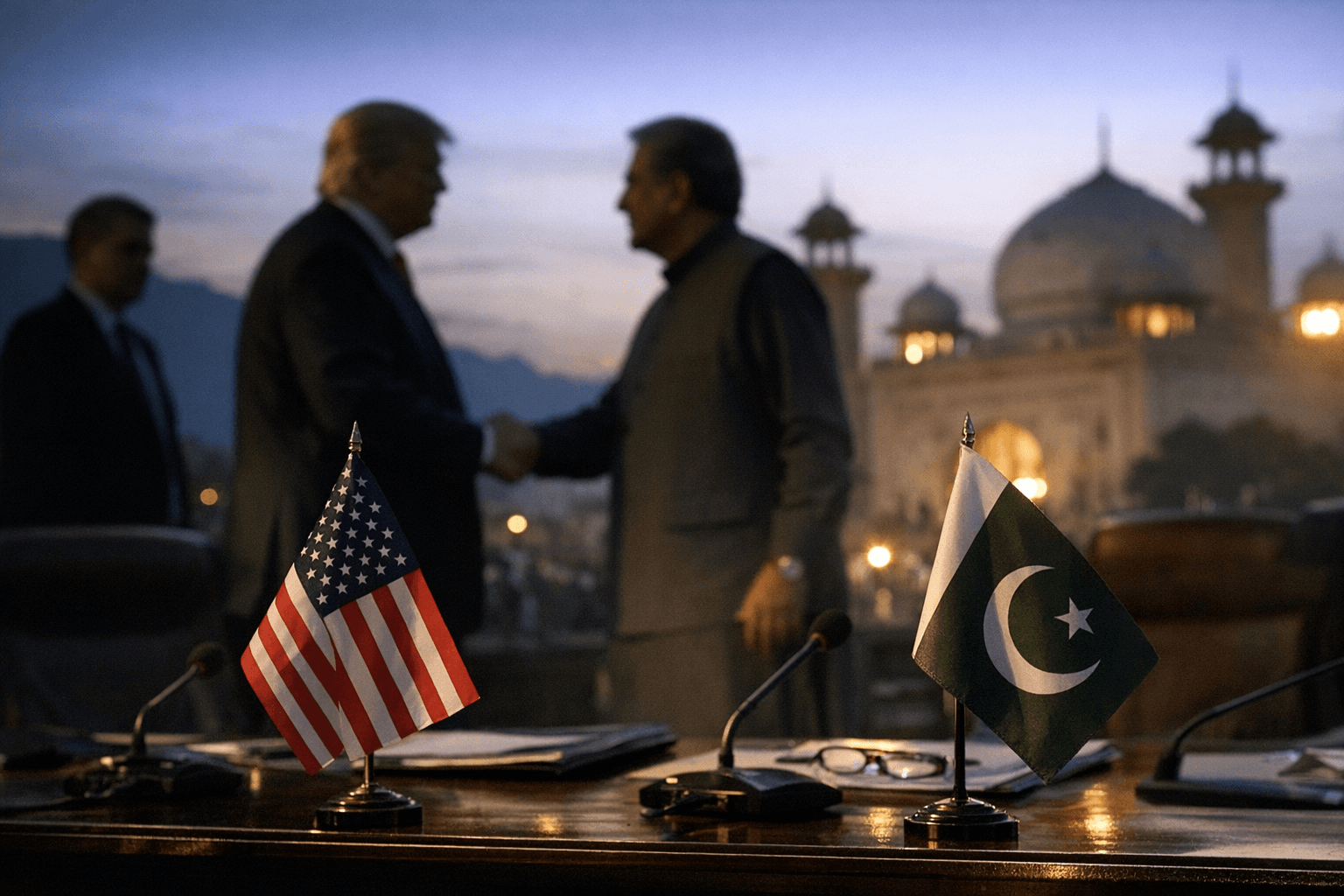
Pakistan is again becoming the relay point for U.S.-Iran diplomacy, after marathon talks in Islamabad ended without a breakthrough and left the Trump administration weighing another round of in-person meetings there within days. The setup reflects how fragile direct contact remains between Washington and Tehran: even when senior officials sit in the same city, the process still depends on intermediaries, separate rooms and constant message carrying.
The last round, held April 11 and 12 in Islamabad, ran about 21 hours and produced no agreement. It was the first direct U.S.-Iran encounter in more than a decade and, by Reuters’ account, the highest-level engagement between the two sides since Iran’s 1979 Islamic Revolution. The American delegation was led by Vice President JD Vance, while Iranian Parliamentary Speaker Mohammad Baqer Qalibaf and Foreign Minister Abbas Araqchi were among Tehran’s senior representatives. The main disputes centered on Iran’s nuclear program and the Strait of Hormuz, a chokepoint Washington wants reopened after Iran effectively blocked it.
The physical choreography of the talks underscored the political distance. Inside Islamabad’s Serena Hotel, the U.S. team, the Iranian team and Pakistani mediators worked in separate wings and a common area. Phones were barred from the main room, and officials had to step out during breaks to relay messages back home. That arrangement made Pakistan less a venue than a conduit, a place where diplomacy moved by relay because the principals could not, or would not, close the gap directly.
After the talks collapsed, Pakistani officials moved quickly to keep the channel open. Foreign Minister Ishaq Dar said Pakistan would continue to facilitate dialogue “in the days to come,” and later urged both sides to uphold the ceasefire. White House press secretary Karoline Leavitt said discussions about a second round of in-person talks in Pakistan were ongoing and productive, describing Pakistan as the key, or “only,” mediator in the current process.
The stakes extend far beyond the hotel walls in Islamabad. The war that began on February 28, 2026, after U.S. and Israeli air strikes on Iran has killed thousands, battered the global economy and pushed oil prices higher. Reuters sources said the two sides came close to a deal, saying they were “80% there” before differences hardened. For now, Pakistan’s role shows how much the diplomacy depends on geography, access and trusted intermediaries, and how quickly direct talks can stall when any one of those pieces slips.
This article was produced by Prism’s automated news system from verified source data, official records, and press releases, then run through automated quality and moderation checks before publishing. The system is built and supervised by the people who set the standards it runs under. Read our full AI policy.
Did this article answer your question?