Trump and Iran dispute details of nuclear inspections deal
Trump said Iran had agreed to inspections into “infinity,” but Tehran denied any detailed nuclear deal as both sides clashed over what the talks actually covered.
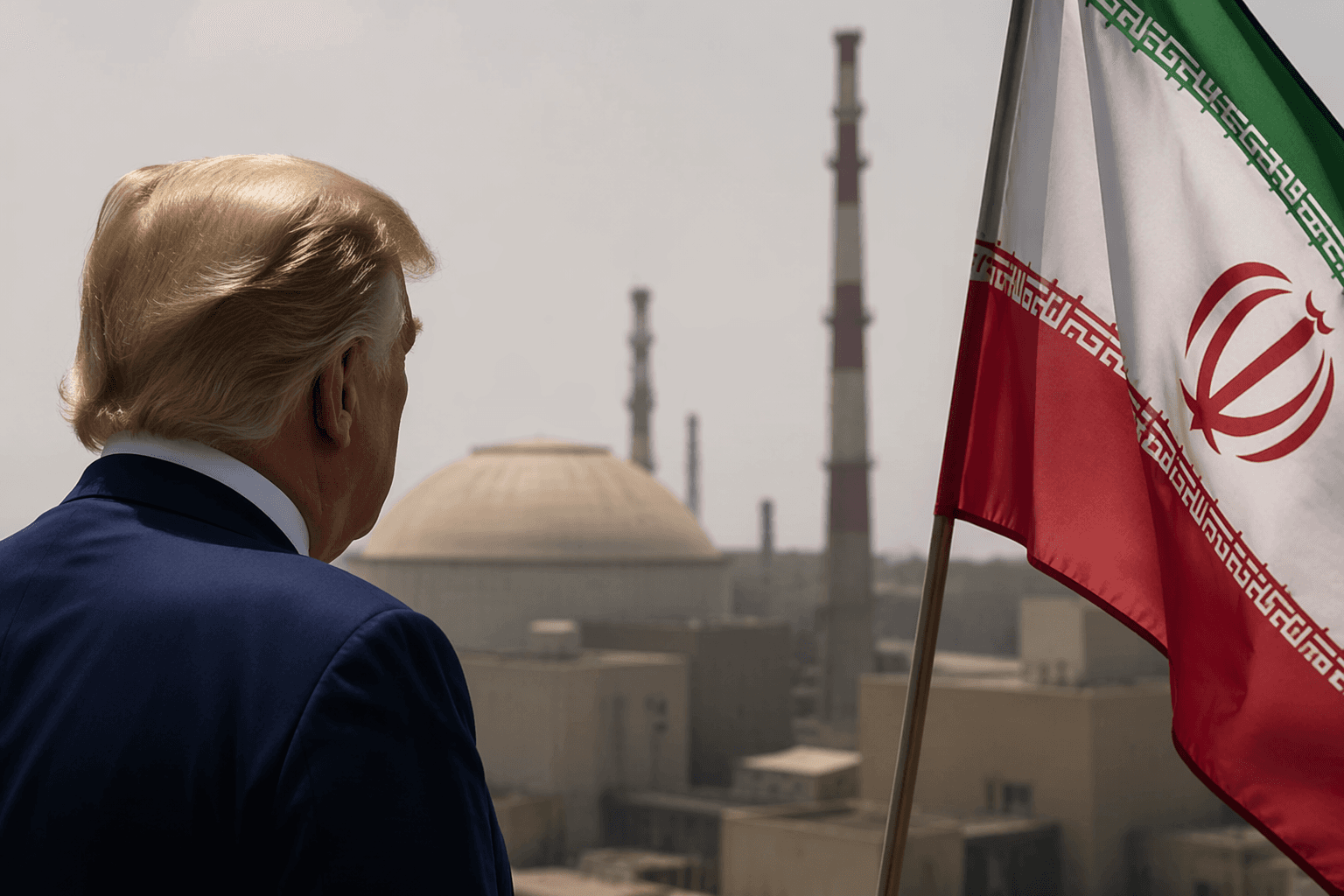
President Donald Trump said Iran had agreed to the “highest level” of nuclear inspections, even as Iran’s foreign ministry said there had been “no detailed discussions on the nuclear issue.” The clash laid bare the gap between public claims and negotiable terms after talks in Switzerland moved into technical follow-up work on a broader U.S.-Iran arrangement.
Trump said Iran had agreed to inspections into “infinity,” and he wrote that there would be no further negotiations without that condition. Vice President JD Vance called the talks a “major milestone” and said Iran would invite International Atomic Energy Agency inspectors back. Tehran rejected that framing, with foreign ministry spokesman Esmaeil Baghaei saying: “No negotiations have taken place on the details of the nuclear file. At this stage, our priority is ending the war.”
The dispute matters because inspections are the enforcement mechanism that would turn a political promise into something verifiable. In practice, the question is whether International Atomic Energy Agency inspectors would regain access to Iranian sites, including the bombed nuclear facilities that officials have been arguing over in recent mediation rounds. That is a different proposition from a general pledge to keep talking, and it is also different from the earlier draft memorandum that described Iran agreeing not to produce or acquire nuclear weapons and to dilute its highly enriched uranium stockpile inside Iran.
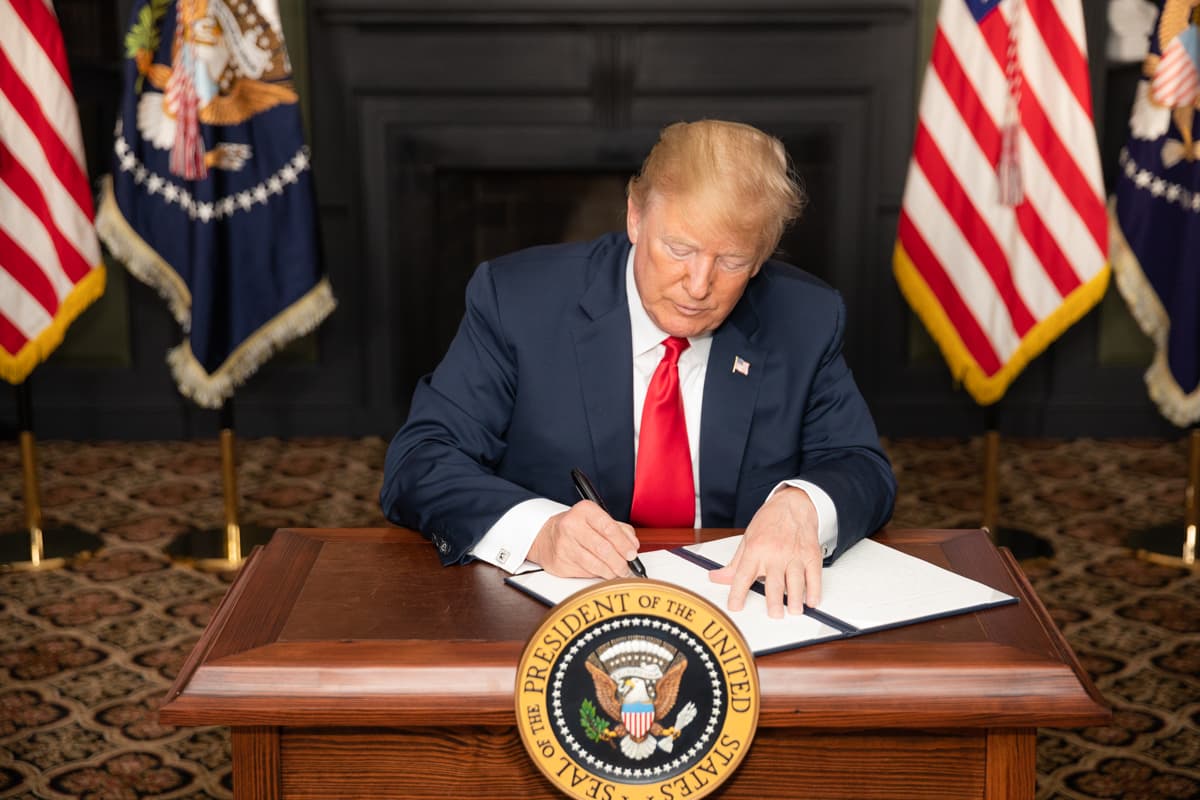
Washington also took a concrete step as the diplomacy advanced. Reuters-based reporting said the United States agreed to waive sanctions on Iran for 60 days after the first round of talks. Trump separately said unfrozen Iranian assets would be used to buy humanitarian supplies from the United States, linking the relief to the broader attempt to stabilize the deal and keep the talks moving.
The negotiations were tied not only to nuclear monitoring but also to reopening the Strait of Hormuz and ending more than three months of war. That wider bargain has left unresolved issues hanging over the table, including Iran’s nuclear and missile programs and the sanctions regime. Iran’s enrichment program has long alarmed the United States and its allies because it leaves Tehran with the technical option of moving toward a nuclear weapon, even though Iran says its program is peaceful. For now, the argument over inspections has become the clearest test of whether the two governments are describing the same deal at all.
This article was produced by Prism’s automated news system from verified source data, official records, and press releases, then run through automated quality and moderation checks before publishing. The system is built and supervised by the people who set the standards it runs under. Read our full AI policy.
Know something we missed? Have a correction or additional information?
Submit a Tip