Trump and Xi meet as tariff truce leaves trade tensions unresolved
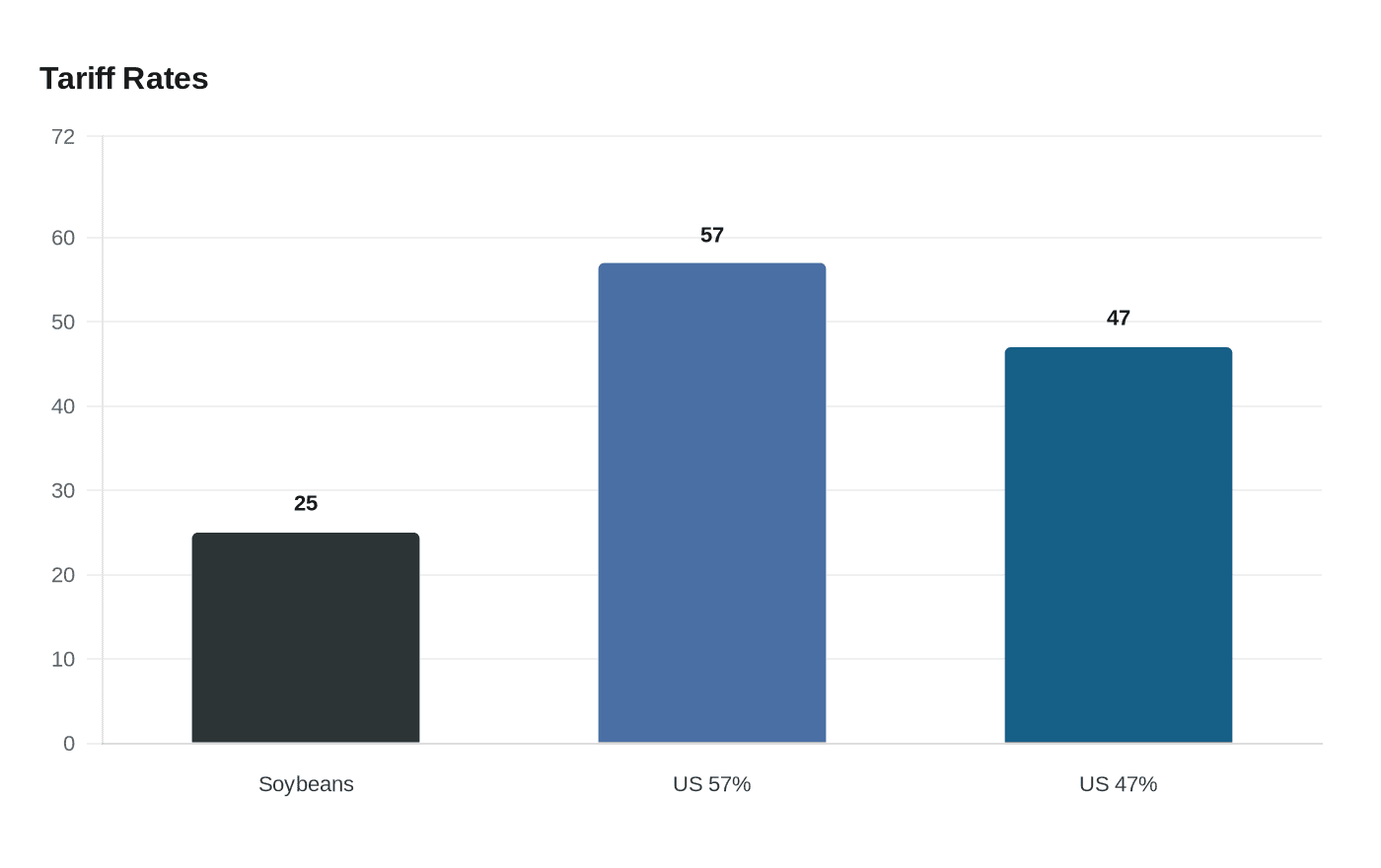
A 25% soybean tariff, a 57% tariff peak and a cut to 47% show how the trade war settled into a fragile stalemate.
Donald Trump and Xi Jinping met with the U.S.-China trade fight no longer in free fall, but locked into a costly truce. The contest that started in 2018 has stopped short of a full break, yet it has not produced a real settlement, leaving tariffs, farm losses and supply-chain shifts in place as the two leaders tried again to reset a relationship that has hardened into habit.
The escalation began when the Trump administration imposed tariffs on Chinese goods in 2018 and Beijing retaliated with tariffs on 128 product lines, including 93 U.S. agricultural products. China, which had been the second-largest market for U.S. agricultural exports by value at about $19.6 billion in 2017, also hit U.S. soybeans with a 25% retaliatory tariff. By the end of 2019, most goods traded between the two countries faced additional tariffs, a sign that the fight had become broader than any single product or sector.
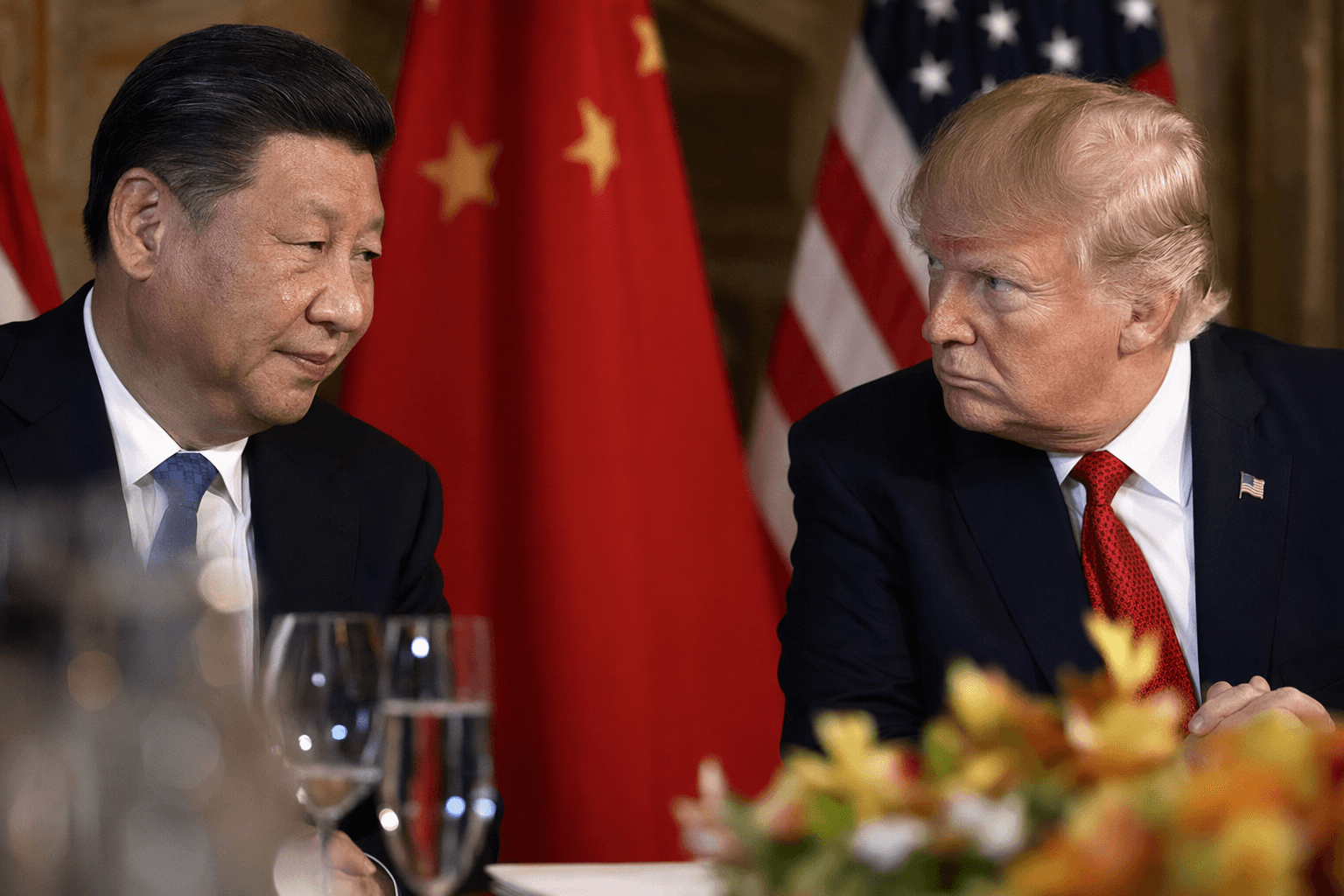
That pressure never fully went away. The United States and China signed the Phase One trade agreement on January 15, 2020, but the core disputes remained unresolved. A temporary de-escalation in 2025 lowered U.S. tariffs on Chinese imports from 57% to 47%, a reduction that eased some immediate strain without restoring the prewar trade relationship. The Federal Reserve noted in 2024 that tariffs had pushed U.S. imports toward other trading partners as purchases shifted away from China, a reminder that companies adapted by redesigning supply chains rather than waiting for a breakthrough.
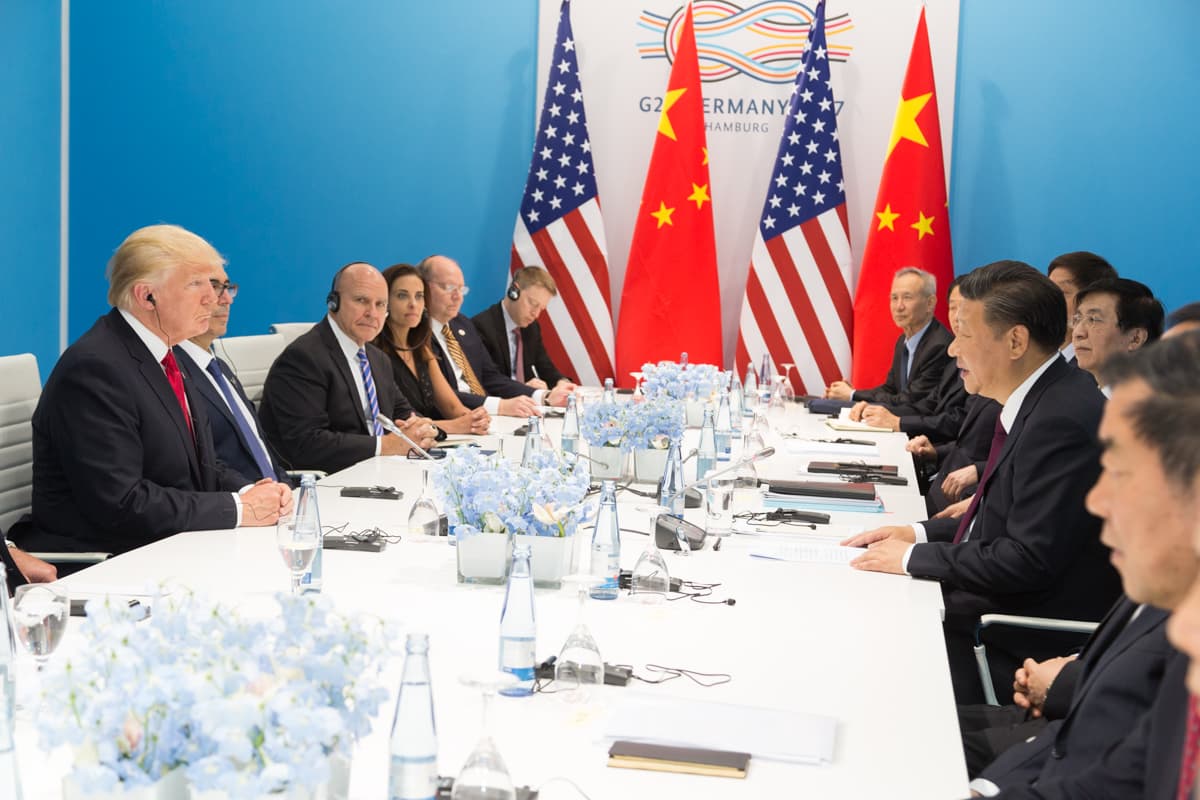
For U.S. farmers, especially soybean growers, the cost of that restructuring was concrete. China had been the largest foreign market for U.S. soybeans before the 2018 retaliation, and the loss of that business forced exporters to seek other buyers while Beijing deepened its leverage over a sector central to rural incomes. U.S. farm-state groups have pushed for a firmer deal and for Chinese purchases that go beyond soybeans, but the broader trade relationship remains shaped by competition, not trust.
That is why the latest talks carried so much weight. U.S. Trade Representative Jamieson Greer said the United States was aiming to win broader Chinese purchases of farm goods beyond soybeans during Trump’s planned visit, while 2026 discussions between Trump and Xi also tied tariff relief to steps on fentanyl, soybeans and rare earths. The bargain reflected the new reality: each side still has tools to hurt the other, but neither has found a clean exit from a standoff that now defines prices, supply chains and bargaining power on both sides of the Pacific.
This article was produced by Prism’s automated news system from verified source data, official records, and press releases, then run through automated quality and moderation checks before publishing. The system is built and supervised by the people who set the standards it runs under. Read our full AI policy.
Did this article answer your question?

