Trump and Xi seek trade reset in Beijing amid Taiwan tensions
Taiwan overshadowed Trump and Xi’s trade reset in Beijing, where Xi warned mishandling the island could bring “clashes and even conflicts.”

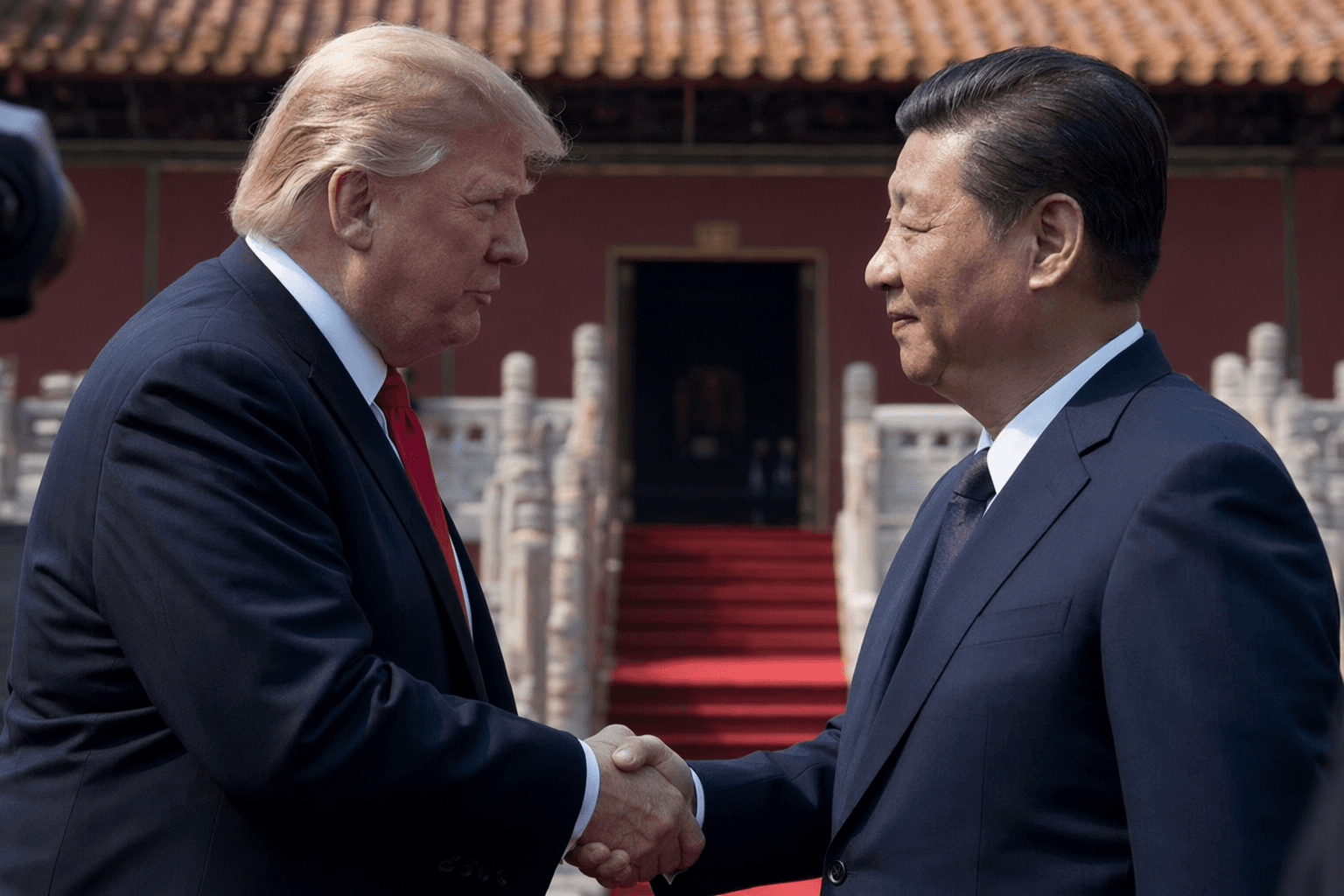
Taiwan emerged as the sharpest fault line in Donald Trump and Xi Jinping’s Beijing summit, even as both sides pressed for a trade reset after last year’s trade war. The leaders met on May 14 at the start of a two-day state visit, and the opening session stretched for more than two hours as they also talked about tariffs, the Iran war, artificial intelligence, rare earths, energy security and broader economic cooperation.
Xi used the closed-door meeting to deliver the starkest warning of the day. Chinese state media said he told Trump that the United States and China could face “clashes and even conflicts” if Taiwan was mishandled. He also called Taiwan the “most important issue” in China-U.S. relations and said the bilateral relationship would enjoy overall stability if the issue was handled properly. Chinese readouts said Xi framed the talks as a chance to build a “new vision” for a constructive relationship of strategic stability.
That language matters because Taiwan is the core political dispute underneath the trade agenda. Beijing claims the democratically governed island as part of China and has never renounced the use of force to bring it under its control. Washington, under long-standing law and policy, has opposed any unilateral change to the status quo and has supported Taiwan’s ability to defend itself. In practical terms, Xi’s call for Taiwan to be handled properly points to demands that Washington restrain arms sales, avoid steps that look like diplomatic recognition, limit high-level political contacts and reduce military signaling around the island. For the United States, deterrence has meant the opposite: keeping Taipei armed, visible and able to resist coercion.
Taipei said nothing surprising came out of the summit, but it pushed the sharper warning of its own, urging China to end the military pressure on Taiwan that it described as the real threat to peace. Before the trip, Marco Rubio said U.S. policy on Taiwan remained unchanged and warned against destabilizing actions around the island. The White House has sought to keep the relationship from tipping into a broader crisis even as the summit unfolded amid the U.S. war with Iran, which added urgency to the talks.
Trump and Xi kept their public tone cordial, with some reports saying Trump called Xi a “great leader” and described the meeting as “good.” But Xi’s warning showed how quickly a single phrase about Taiwan can widen the stakes far beyond trade, reshaping the limits of the U.S.-China relationship itself.
Know something we missed? Have a correction or additional information?
Submit a Tip