Trump and Xi stage Beijing summit with modest Boeing jet deal
Trump’s Beijing stop drew a parade of CEOs, but the headline win was only 200 Boeing jets, far short of a sweeping trade reset.
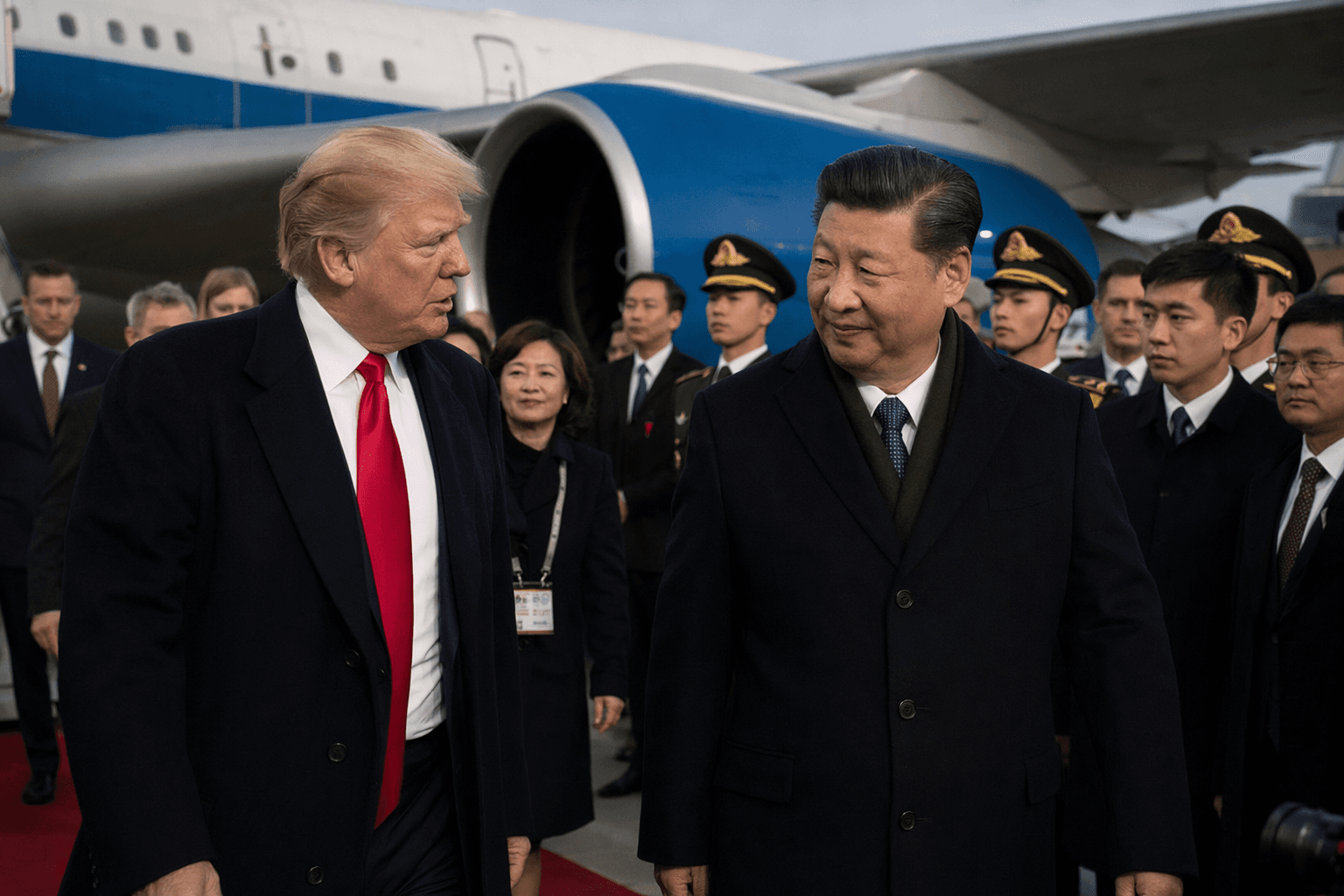
Trump and Xi Jinping met in Beijing with a polished line-up of American business leaders, but the summit delivered far less than the spectacle suggested. More than a dozen CEOs and top executives from Tesla, Nvidia, Apple, Boeing, BlackRock, Blackstone, Mastercard, Visa, Meta, Cargill, Goldman Sachs, Qualcomm and Illumina joined the trip, yet the central outcome was a modest Boeing jet order and a bid to keep tensions from worsening.
The meeting, Trump’s first visit to China as a sitting U.S. president in almost a decade, came on May 14 and 15, 2026, in Beijing. Elon Musk, Jensen Huang, Tim Cook, Kelly Ortberg, Larry Fink, Stephen Schwarzman, Dina Powell McCormick and Jacob Thaysen were among the prominent figures in the delegation, but the group was far smaller and more issue-specific than Trump’s 2017 China visit, when nearly 30 CEOs traveled with him and more than 37 major deals worth over $250 billion were announced.
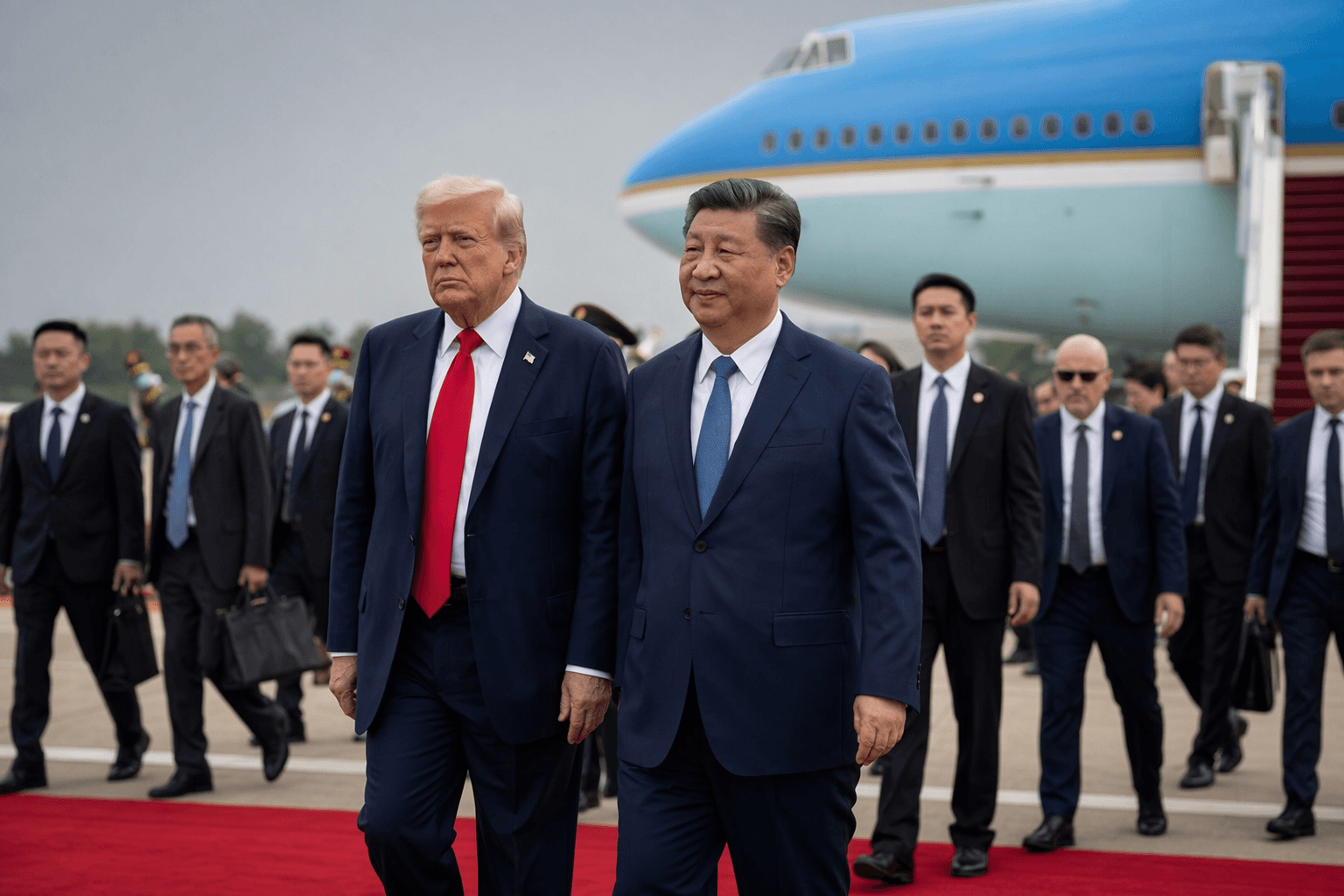
This time, the business leaders were largely looking for relief on narrow but stubborn problems: regulatory approvals, market access and supply-chain or critical-input concerns. Reva Goujon of Rhodium Group said the CEOs were mainly there to deliver demands on critical input supply, with Boeing and Cargill linked to purchase agreements. That narrower agenda underscored how much the relationship has shifted from headline-grabbing dealmaking toward case-by-case bargaining.
Xi told the executives that China’s door would “open wider” to U.S. businesses, and said American firms were deeply involved in China’s reform and opening-up. Trump introduced the group to Xi as “distinguished representatives from the American business community” who respect and value China. The choreography was designed to show confidence, but the substance remained limited.
The clearest concrete gain came later, when Trump said China had agreed to buy 200 Boeing jets. That figure fell well below what analysts had expected, and far short of the scale seen in 2017, when Boeing said it signed an agreement to sell 300 planes to China Aviation Supplies Holding Company worth $37 billion at list prices. The Commerce Department later counted 37 major deals from that trip, totaling more than $250 billion.
The broader talks still circled the hardest issues between Washington and Beijing: tariffs, rare earths, AI chips, Taiwan and the Iran war. For U.S. companies, the message was mixed. China still mattered, still opened doors selectively and still offered commercial opportunities, but Beijing summit theater did not produce the kind of sweeping trade reset that would have changed the balance of the relationship.
This article was produced by Prism’s automated news system from verified source data, official records, and press releases, then run through automated quality and moderation checks before publishing. The system is built and supervised by the people who set the standards it runs under. Read our full AI policy.
Did this article answer your question?