Trump and Xi urge open Strait of Hormuz amid Iran war
Trump and Xi backed keeping the Strait of Hormuz open as Iran’s war squeezed shipping, raising the risk of higher fuel costs and inflation.
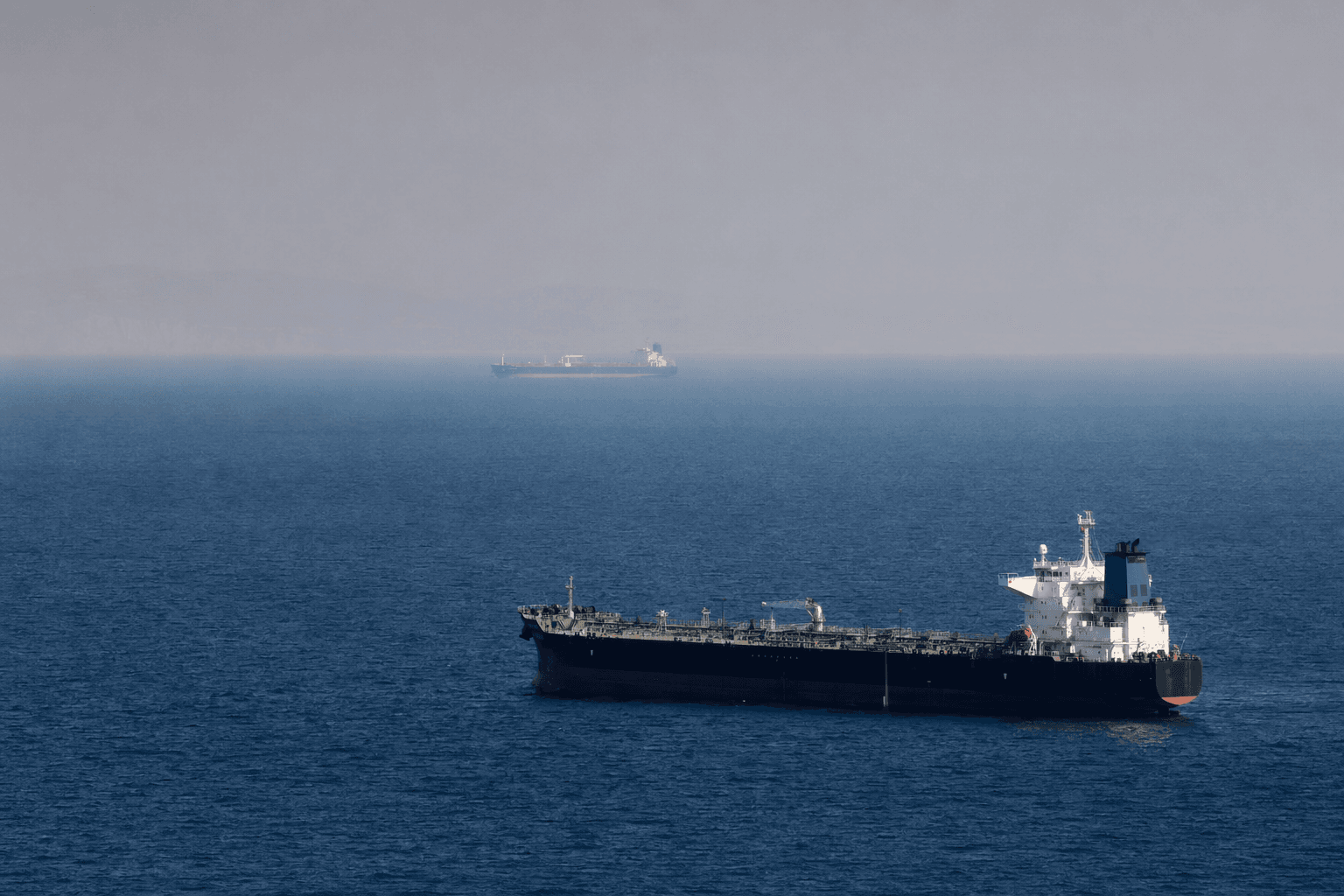
Trump’s meeting with Xi Jinping in Beijing put a global energy choke point at the center of a widening Iran war. The White House said the two leaders agreed that the Strait of Hormuz “must remain open,” a blunt acknowledgment that the fate of a narrow shipping lane now carries consequences far beyond the Gulf.
The strait normally carries about one-fifth of the world’s oil and natural gas, making it one of the most sensitive passages in international trade. U.S. officials said the administration wants China to play a more active role in pushing Iran to reopen the waterway, a sign that Washington sees Beijing as one of the few powers with enough leverage to matter. The talks in Beijing also touched trade, Taiwan and Iran’s nuclear ambitions.
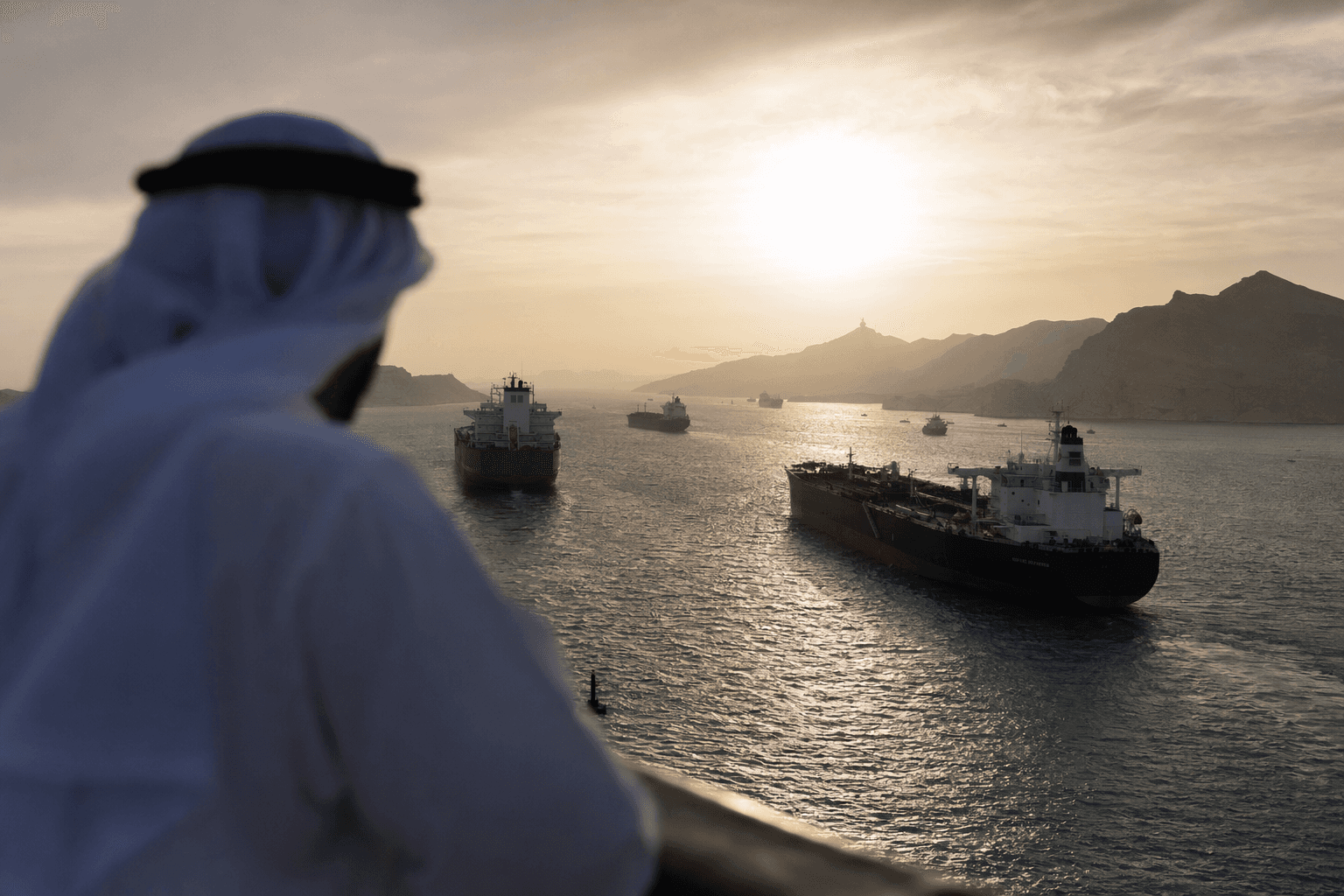
The stakes are immediate for consumers as well as diplomats. If shipping through the strait stays restricted, oil and gas markets can tighten quickly, pushing up freight costs, gasoline prices and the broader inflation that reaches American households through transportation, food and heating bills. Reports have said Iran has largely restricted shipping through the strait since the war began on February 28, turning a strategic passage into a direct test of whether major powers can prevent an energy shock.
The same regional crisis is also reshaping diplomacy between Israel and Lebanon. The two countries were set to resume U.S.-mediated peace talks in Washington on May 14 and 15, after an earlier round at the White House on April 23, when Trump announced a three-week ceasefire extension and said he hoped for a historic agreement. The talks resumed as the ceasefire remained technically in place but under severe strain, with hundreds reported killed in Israeli strikes.
Violence continued along the Israel-Lebanon border on Thursday, when a Hezbollah drone strike wounded Israeli civilians, according to the Israeli military. Lebanese President Joseph Aoun has said the goal of the Washington talks is to stop hostilities and end the Israeli occupation of southern regions, underscoring how closely the border file is now tied to the wider push for regional de-escalation.
Together, the Beijing and Washington tracks show the same fear driving two separate diplomatic fronts: if the fighting around Iran keeps spreading, the cost will be measured not only in military risk but in oil prices, inflation and the daily price of moving goods across the world.
Know something we missed? Have a correction or additional information?
Submit a Tip