Trump declares victory in Iran war after rescue, but threats to US operation still loom
Trump declared "WE GOT HIM!" after a CIA-aided rescue of a downed F-15E crew member from Iran, even as ground operation plans for Kharg Island and uranium seizure remain deeply risky.
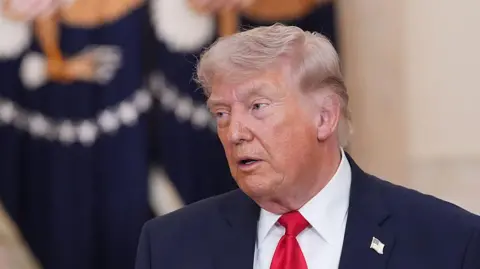
President Trump posted "WE GOT HIM!" after a CIA-coordinated deception operation rescued a seriously injured F-15E Strike Eagle weapons system officer who had evaded Iranian capture for more than 30 hours in mountainous terrain. The same day, Trump threatened Iran would be "living in Hell" by Tuesday if the Strait of Hormuz was not reopened, capturing the contradiction at the heart of a conflict now entering its sixth week.
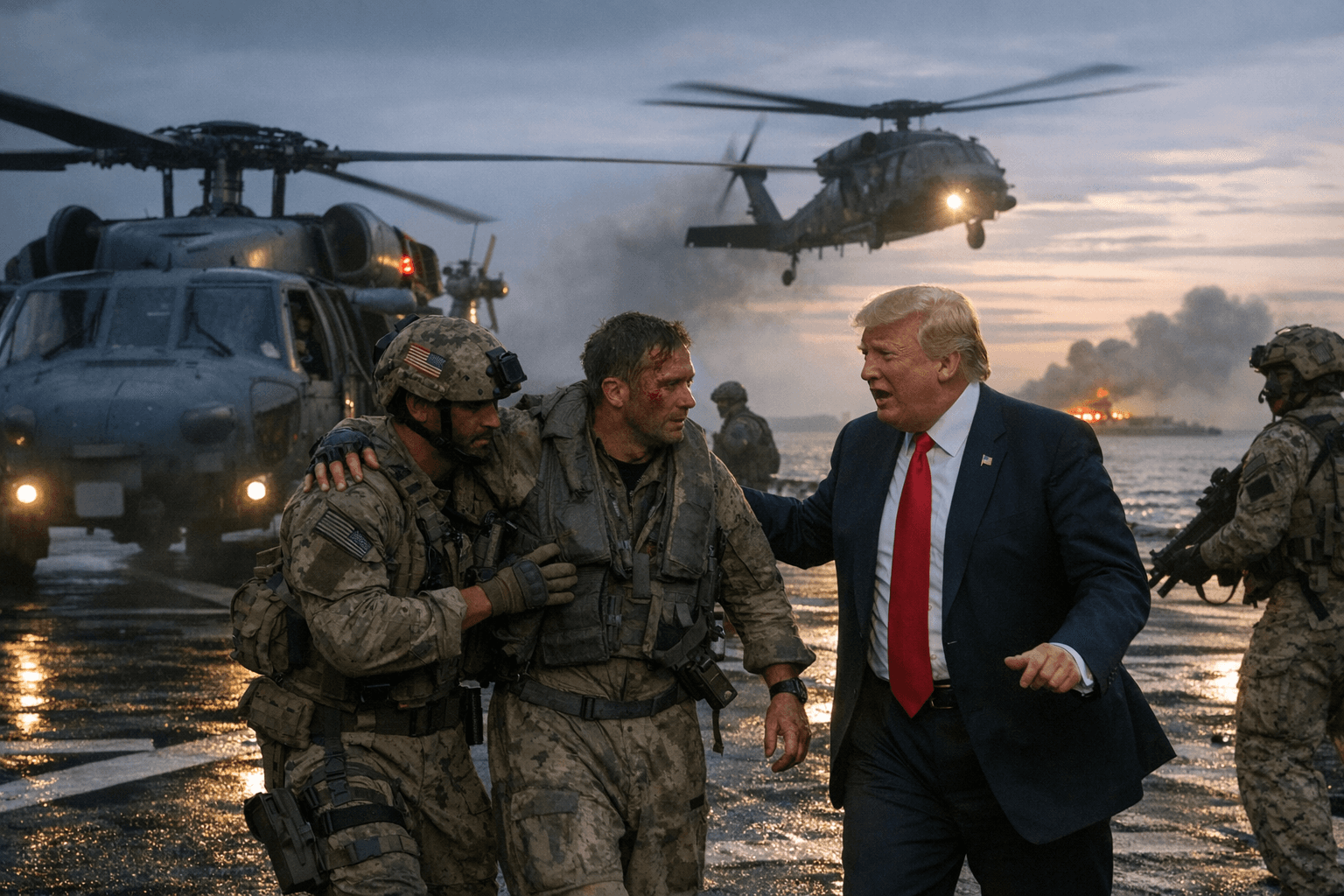
The weapons system officer was the second crew member recovered from the downed Strike Eagle; the pilot had been rescued earlier. Before the WSO could be located, the CIA launched a deception campaign to aid the search. Iran struck a U.S. Blackhawk helicopter during the operation, wounding crew members aboard, though the aircraft was able to fly on. Trump described it as "one of the most daring Search and Rescue Operations."
The rescue delivered Trump another in a string of victory declarations in a war he has been calling won since a March 11 rally in Hebron, Kentucky. On April 1, he told the nation: "We have all the cards. They have none. We are on track to complete all of America's military objectives shortly." The conflict began February 28, 2026, when U.S. and Israeli forces launched coordinated airstrikes on Iranian command centers, missile sites, and nuclear facilities, following Operation Midnight Hammer in June 2025 and Operation Epic Fury in February 2026.
Two potential escalations complicate the narrative. The first is Kharg Island, a roughly five-mile stretch of land 25 kilometers off Iran's coast that handles roughly 90% of Iran's crude oil exports. According to the Foundation for Defense of Democracies, about half of Iran's government revenue derives from oil and gas. Trump announced U.S. forces had "totally obliterated every MILITARY target" there but spared the oil infrastructure, and has mused publicly about a ground seizure: "Maybe we take Kharg Island, maybe we don't. We have a lot of options." Defense Secretary Pete Hegseth declined to confirm any ground deployment to Iran, and White House Press Secretary Karoline Leavitt refused to comment on reports of U.S. landmines spotted inside the country.
Joseph Siegle cautioned that destroying the island's energy infrastructure would betray the administration's stated concern for Iranian civilians: "We were supposed to be coming to the rescue of the people that had been rising up and protesting for a better future. So to cripple Iran's revenue-generating potential for many years to come would definitely not work in that direction."
The second open question is Iran's stockpile of approximately 450 kilograms of 60%-enriched uranium, convertible to weapons-grade within weeks. The military briefed Trump on a seizure plan requiring excavation equipment, a constructed runway inside Iran, and a large special operations force to navigate heavily fortified underground facilities. The Wall Street Journal reported the operation could require the largest special forces deployment in history. Christine Wormuth, former Secretary of the Army and now president and CEO of the Nuclear Threat Initiative, called it "a very complex and high risk military operation" that would "probably take casualties." RAND senior fellow Jason Campbell concluded the mission was simply "risky and not feasible," citing the impossibility of quantifying excavation timelines while sustaining a cordon under near-constant Iranian fire. Trump, asked on April 5 whether a seizure plan was in place, told Fox News Radio: "No, not at all. We're not focused on that. But at some point we might."
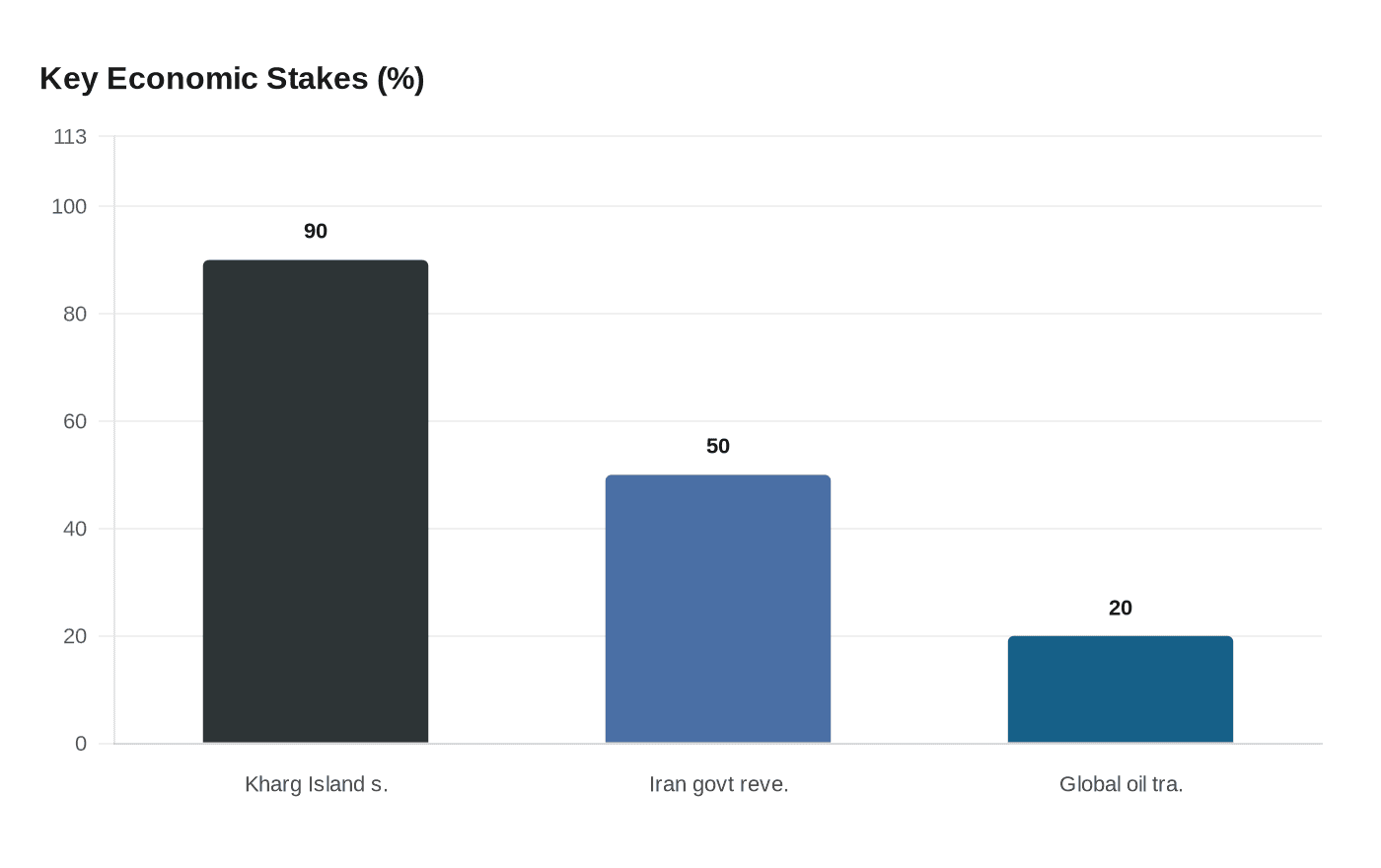
Economic fallout is already spreading beyond Iran's borders. QatarEnergy declared force majeure after Iranian strikes damaged the Ras Laffan liquefied natural gas facility in Qatar. Roughly 20% of global oil trade moves through the Strait of Hormuz, the chokepoint Trump demanded reopened by Tuesday. Advisers have described Trump as at odds with some of his own officials and looking for an off-ramp as the political and economic toll of the now five-week-old conflict mounts.
The rescue gave him a headline. The endgame has not yet given him an exit.
This article was produced by Prism’s automated news system from verified source data, official records, and press releases, then run through automated quality and moderation checks before publishing. The system is built and supervised by the people who set the standards it runs under. Read our full AI policy.
Did this article answer your question?