BBC Reporter Reaches Edge of Waterway Under Iran's Stranglehold
BBC's Orla Guerin sailed to the edge of the Strait of Hormuz on a dhow from Khasab, Oman, counting 8 ships anchored just one nautical mile from the sealed waterway.
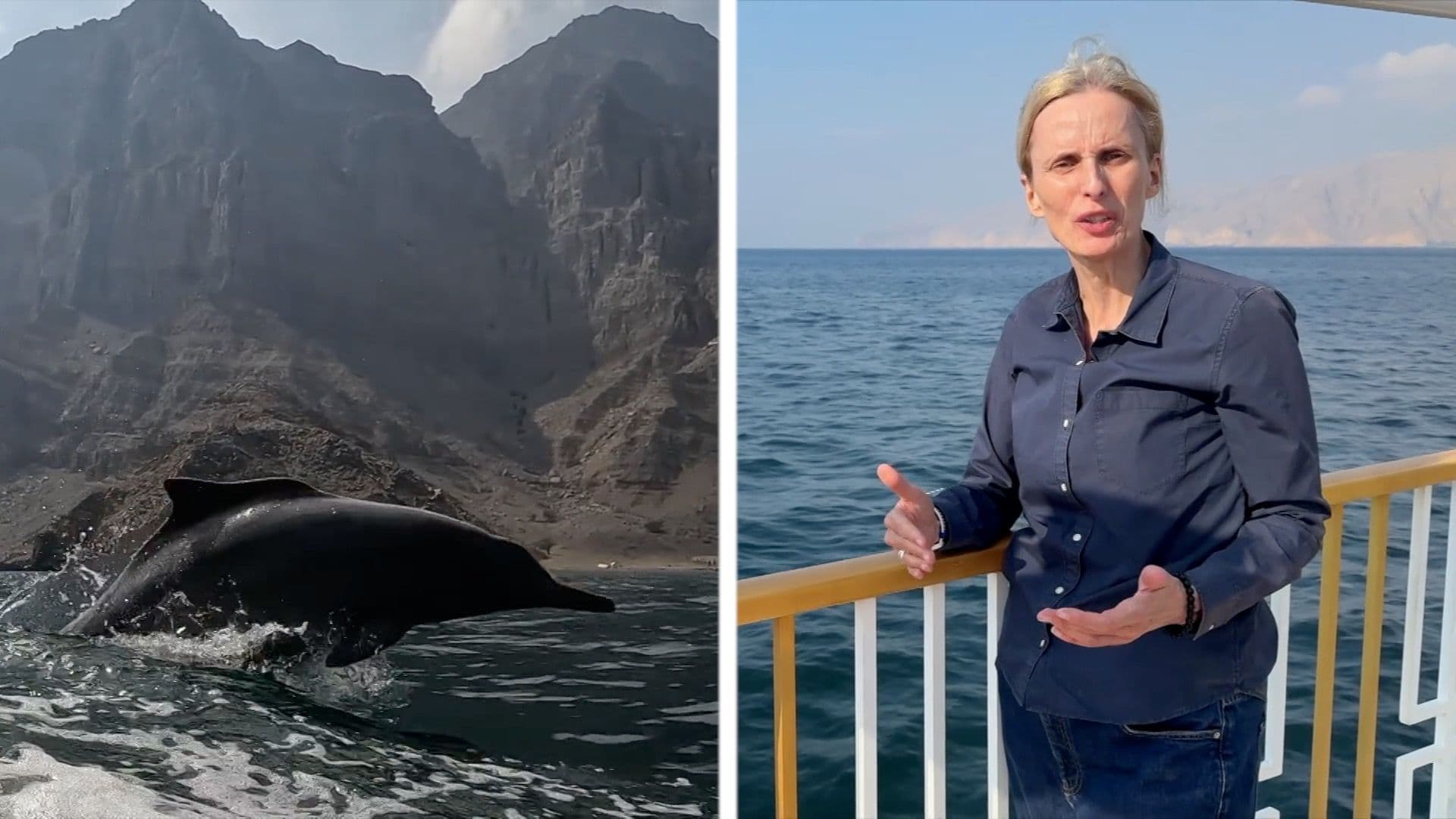
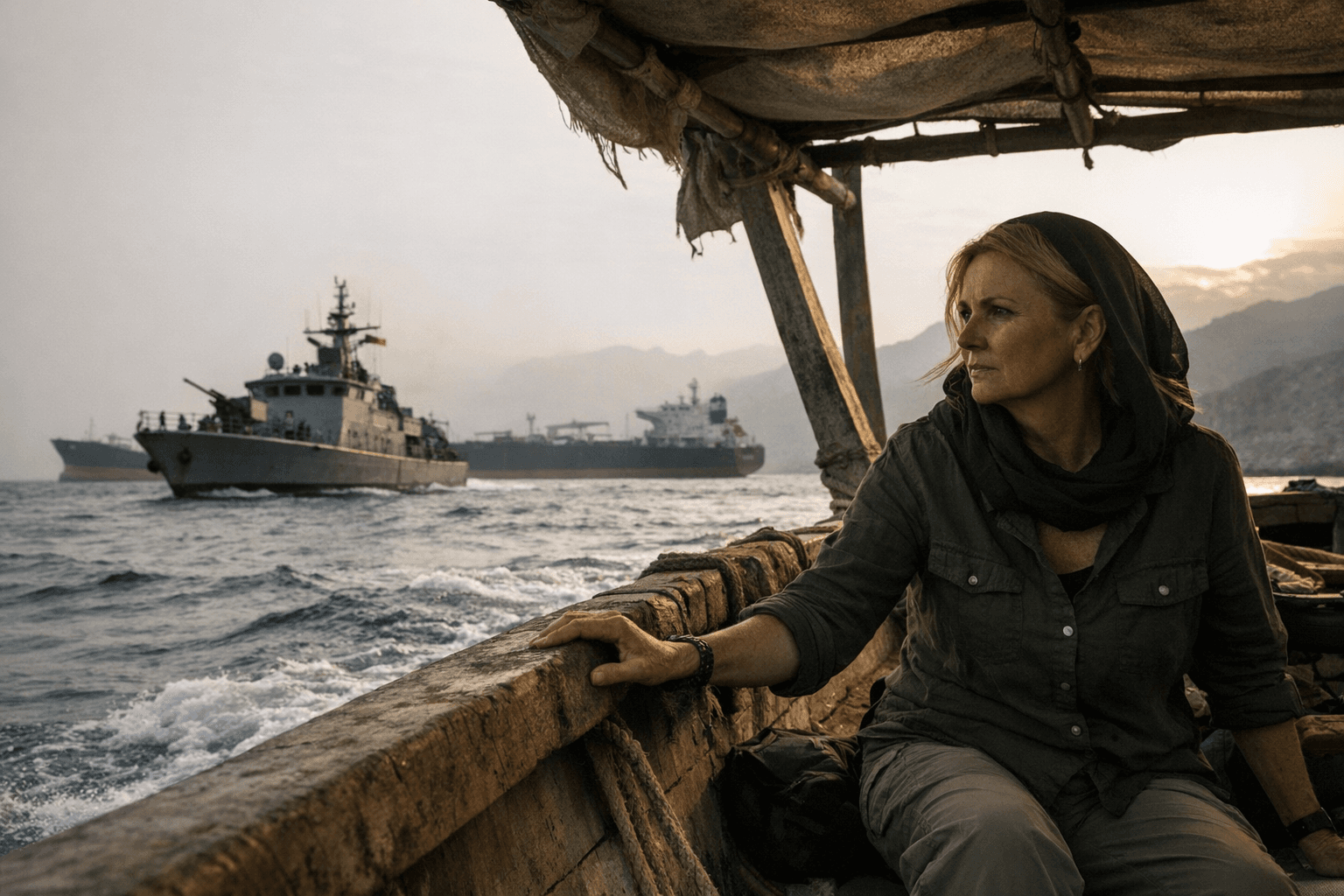
Sailing out of the Omani port of Khasab on a traditional wooden dhow, BBC Senior International Correspondent Orla Guerin reached the outermost edge of the Strait of Hormuz, a waterway that once carried one-fifth of the world's oil and has now been effectively sealed by Iran since late February.
Eight vessels sat at anchor just one nautical mile from the mouth of the strait. Maritime organizations estimate as many as 2,000 ships are stranded across the broader area, a silent flotilla bearing witness to what UK Foreign Secretary Yvette Cooper has called Iran "holding the global economy hostage." BBC Verify data confirms the scale of the disruption: just under 100 ships transited the strait from early March through this week, a decline of roughly 95 percent from pre-conflict levels. Before the war began on February 28, approximately 138 vessels passed through daily, according to the Joint Maritime Information Centre. Shipping data from Kpler now puts that figure at five to six ships per day.
Iran's Islamic Revolutionary Guard Corps moved to prohibit vessel passage following joint U.S. and Israeli strikes on Iran that killed Supreme Leader Ali Khamenei and triggered retaliatory missile and drone attacks across the region. The closure has sent global oil prices surging in what analysts have described as the largest disruption to energy supply since the 1970s.
Diplomatic pressure intensified this week on multiple fronts. The United Kingdom convened a virtual summit of 40 foreign ministers to assess options for reopening the strait, with Cooper framing Iran's blockade as the hijacking of a global shipping route. Separately, Oman and Iran held deputy-minister-level talks on April 4 focused on ensuring what Muscat's foreign ministry described as "smooth passage" through the waterway.
Looming over all of it is a deadline set by U.S. President Donald Trump: reopen the strait by April 6 or face extensive American strikes on Iranian energy infrastructure. The countdown has been met with a counter-warning from Iran's parliament speaker Mohammad Bagher Qalibaf, who issued a veiled threat to extend disruption to the Bab el-Mandeb, the 32-kilometer-wide chokepoint linking the Red Sea to the Gulf of Aden through which more than a tenth of seaborne global oil travels.
For Guerin, reaching even the approach to Hormuz required sailing from Khasab, a port on Oman's Musandam Peninsula that juts into the strait's waters. What she found there was not a battle scene but a standstill: vessels waiting, the water calm, the passage ahead off-limits.
This article was produced by Prism’s automated news system from verified source data, official records, and press releases, then run through automated quality and moderation checks before publishing. The system is built and supervised by the people who set the standards it runs under. Read our full AI policy.
Did this article answer your question?