Trump eases Russia, Iran oil sanctions amid energy shock
Trump kept loosening Russia and Iran oil sanctions as prices spiked, even as critics said the waivers fattened Moscow and Tehran’s war revenue.
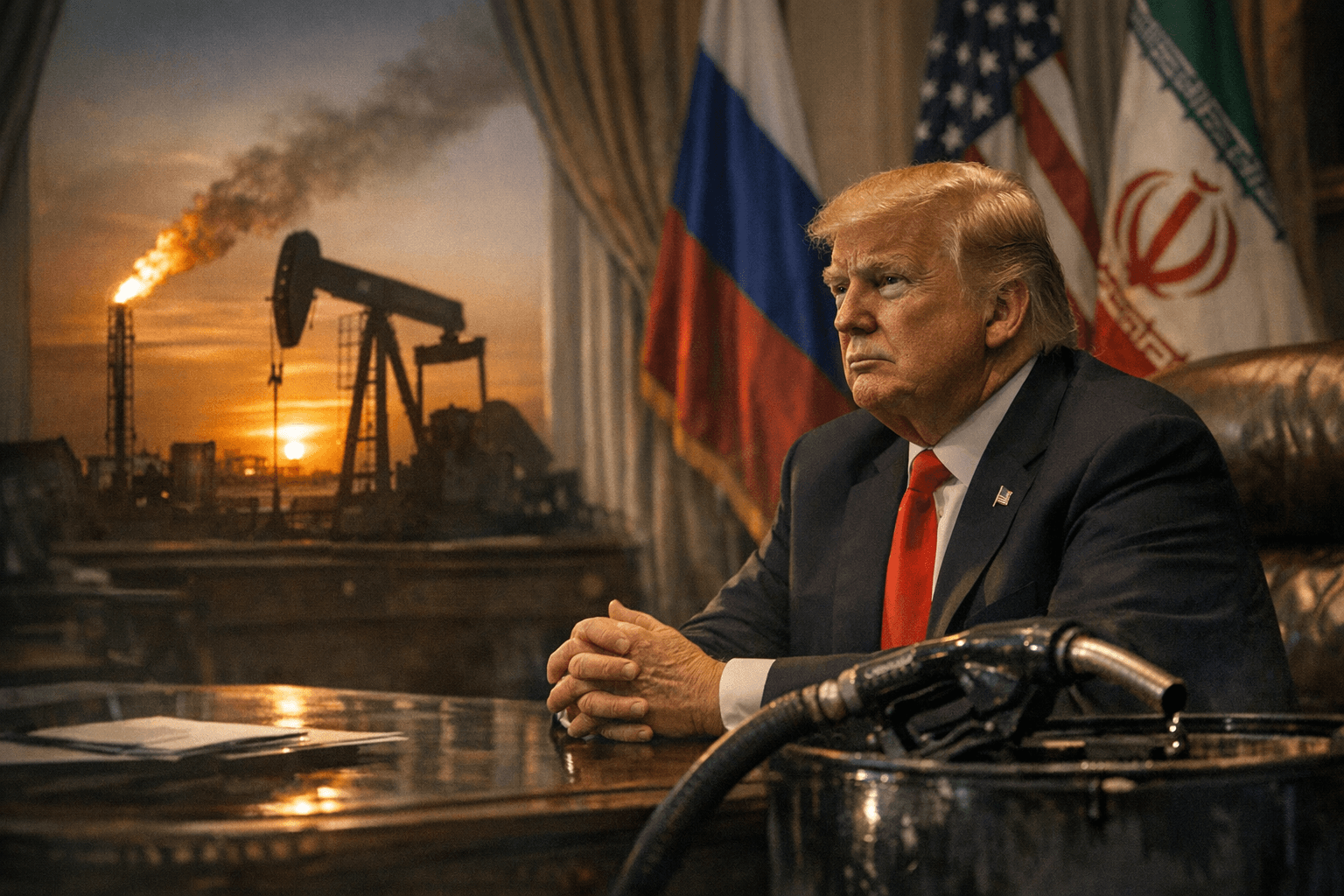
The Trump administration has been loosening sanctions on Russian and Iranian oil while warning that the Iran war could send energy prices higher, a split-screen approach that has left allies, markets and lawmakers guessing at the real priority.
Treasury temporarily lifted sanctions on Russian oil stranded at sea in March, then issued a similar license on March 20 for Iranian crude already on the water, allowing about 140 million barrels to reach global markets. Scott Bessent later said the moves were meant to ease energy-supply pressure. On April 17, Treasury renewed the Russian waiver, extending it through May 16 after an earlier version expired on April 11. The Iranian license was set to lapse on April 19.
The stated goal was to keep oil available and blunt price spikes after the war disrupted shipments through the Strait of Hormuz, one of the world’s most important oil chokepoints. The International Energy Agency called the conflict the worst global energy supply disruption in history. In the Middle East, more than 80 oil and gas facilities were damaged, and Brent crude climbed to about $90 a barrel after earlier analyses put the surge above $120.
That turbulence helped explain the administration’s zigzags, but it also sharpened the criticism. Atlantic Council analysts warned prices could top $100 a barrel if Hormuz disruptions persisted, yet said the temporary licenses were also allowing Russia and Iran to sell oil at higher prices and collect windfalls. One estimate cited by the council said Russia was taking in an extra $150 million a day in budget revenue, while Iran could be earning $139 million a day. The Council on Foreign Relations argued that the White House had effectively benefited two adversaries without materially bringing prices down, exposing the paradox of using sanctions as economic warfare in a globalized energy market.
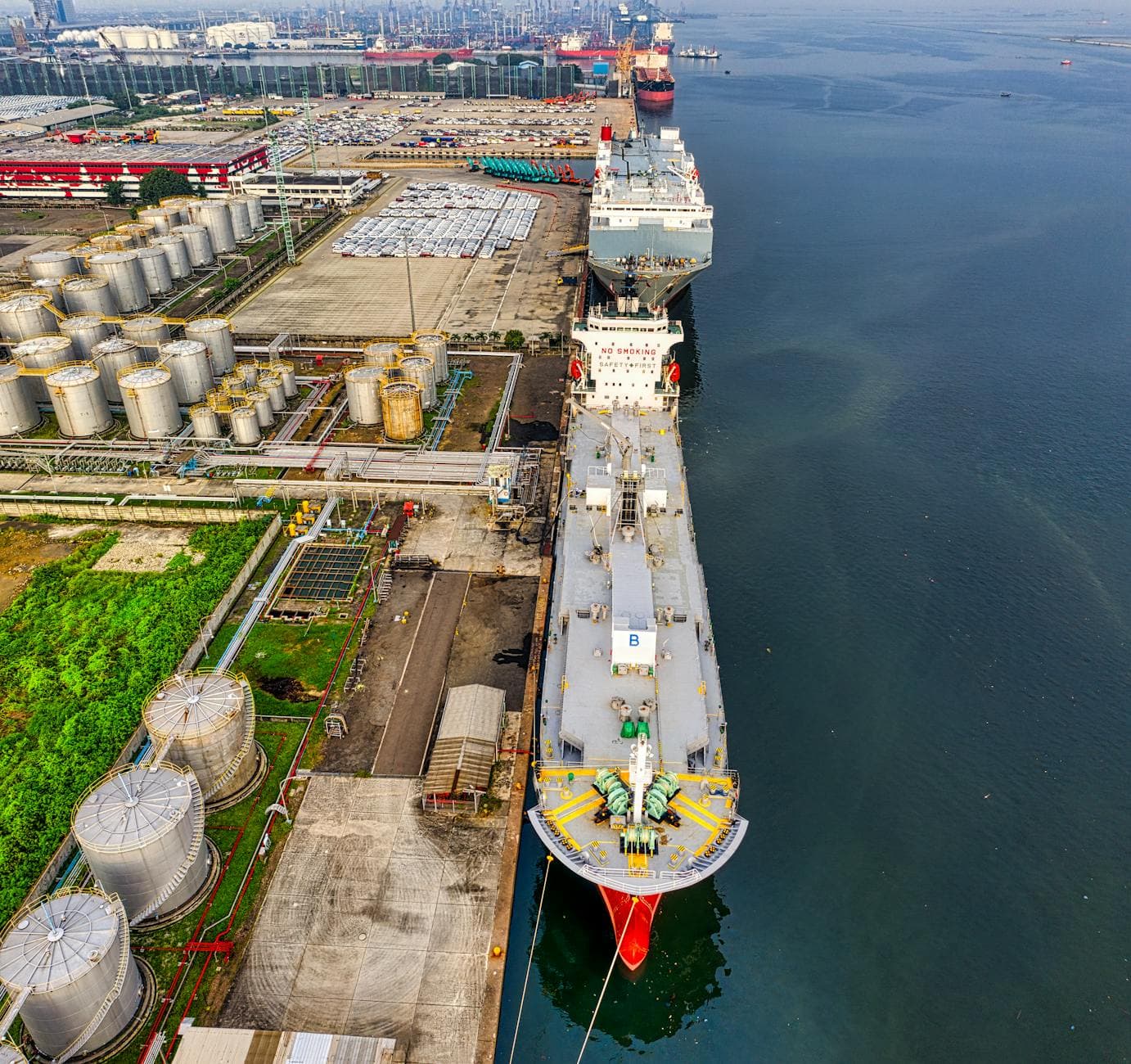
The political reaction has been sharp on both sides of the aisle. Lawmakers said the waivers were helping Iran while it was at war with the United States and helping Russia while it was at war with Ukraine. Treasury officials said partner countries raised the issue in Washington during Group of 20, World Bank and International Monetary Fund meetings, and U.S. officials also discussed oil supply concerns with India, a major buyer of Russian crude.
At the same time, the administration moved to tighten pressure elsewhere, imposing sanctions on a China-based refinery and about 40 shipping companies and vessels tied to Iranian oil. The pattern suggests sanctions are no longer operating as a single strategy of maximum pressure. They are being softened, renewed and selectively enforced as short-term tools to manage oil markets, even when that leaves Moscow and Tehran better positioned to profit from the shock.
This article was produced by Prism’s automated news system from verified source data, official records, and press releases, then run through automated quality and moderation checks before publishing. The system is built and supervised by the people who set the standards it runs under. Read our full AI policy.
Did this article answer your question?


