Trump envoy heads to Pakistan as Iran peace talks continue on Face the Nation
Mike Waltz was set to return as Trump pushed a Pakistan peace bid with Iran, while conflicting White House and presidential claims kept the war message unsettled.
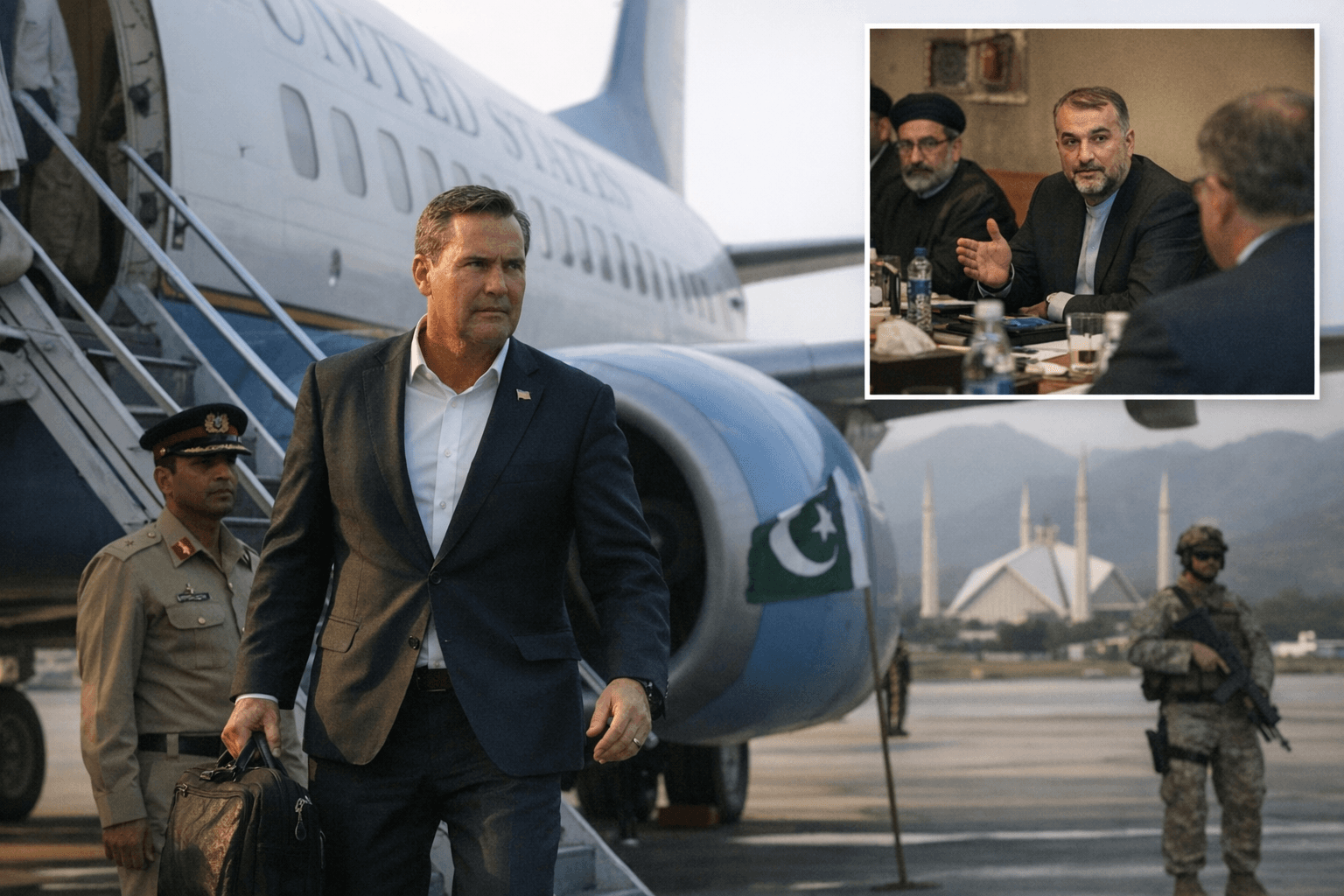
Mike Waltz was set to reappear on Face the Nation as President Donald Trump said negotiators were headed to Pakistan for a peace deal with Iran, a signal that the administration was still trying to project momentum even as its public line on the conflict shifted from one week to the next. CBS News said the Sunday lineup also included former White House energy security adviser Amos Hochstein and former U.S. Attorney General Eric Holder, a pairing that pointed to two pressure points around the war: the global cost of energy and the legal and constitutional questions that follow a widening military campaign.
The previous week’s Face the Nation made clear how much was still unresolved. CBS said the U.S.-Iran talks in Pakistan ended without a deal, while the conflict entered its 44th day and sent gas prices soaring around the world. Trump said some points had been agreed to in Pakistan, but the nuclear issue was not. He also said the U.S. Navy would begin a blockade of the Strait of Hormuz, a step that carried obvious stakes for oil markets and for allies already watching the war’s spillover.
That public posture sat uneasily beside the White House’s April 8 statement that Iran had agreed to a ceasefire and to reopen the Strait of Hormuz while the administration negotiated a broader peace agreement. The White House said Operation Epic Fury had lasted 38 days by then, framing the campaign as a fast-moving success. Taken together with Trump’s later comments about a blockade, the administration’s message suggested two different stories at once: one of de-escalation and one of tightening military pressure.
Waltz himself had already been part of that effort to sell a wider coalition. On March 22, he said allies including Italy, Germany and France had committed to help with efforts tied to the Strait of Hormuz, and said Japan had committed portions of its navy. That backdrop made his return to Face the Nation especially significant, because the conversation was no longer only about battlefield gains. It was also about whether Washington could keep its diplomatic, military and economic narratives aligned.
The guest list suggested the answer remained unsettled. Hochstein’s presence pointed to the gas-price shock and the strain on households and businesses, while Holder’s role hinted at scrutiny over the legal basis for the administration’s approach. With Pakistan back at the center of the talks and Iran still at the center of the war, the administration’s foreign-policy message appeared to be fighting for coherence in public as much as it was fighting for a deal.
This article was produced by Prism’s automated news system from verified source data, official records, and press releases, then run through automated quality and moderation checks before publishing. The system is built and supervised by the people who set the standards it runs under. Read our full AI policy.
Did this article answer your question?


