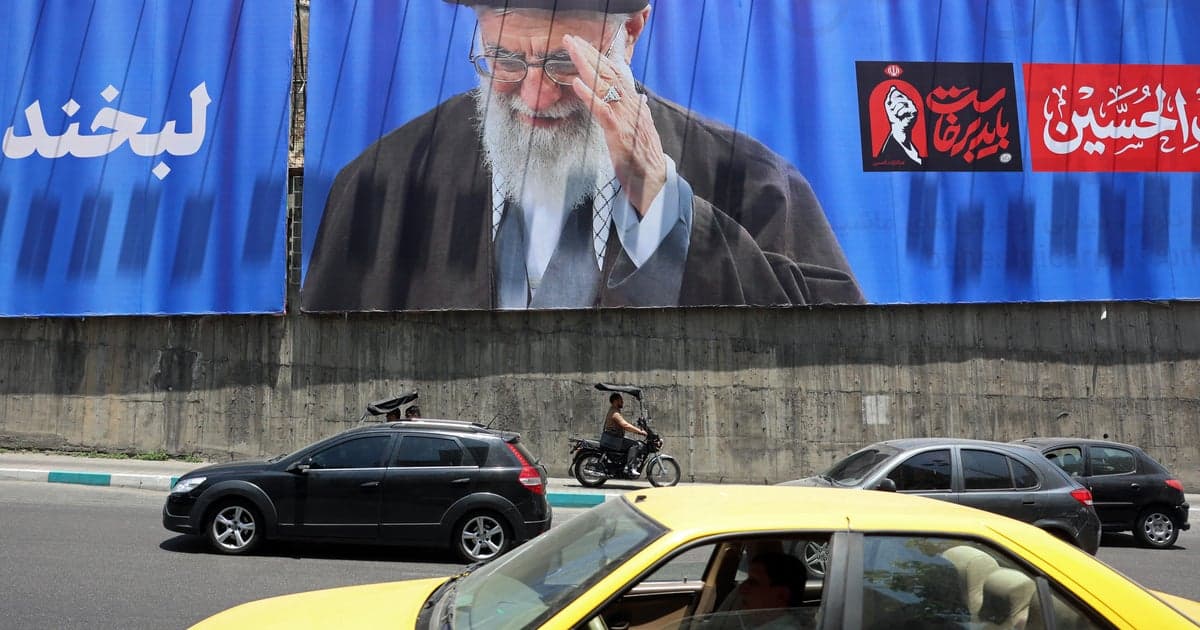
Trump extends Iran ceasefire again, leaves deadline open-ended
Trump pushed Iran’s ceasefire past its April 21 deadline with no new end date, deepening doubts over whether his red lines carry any real force.
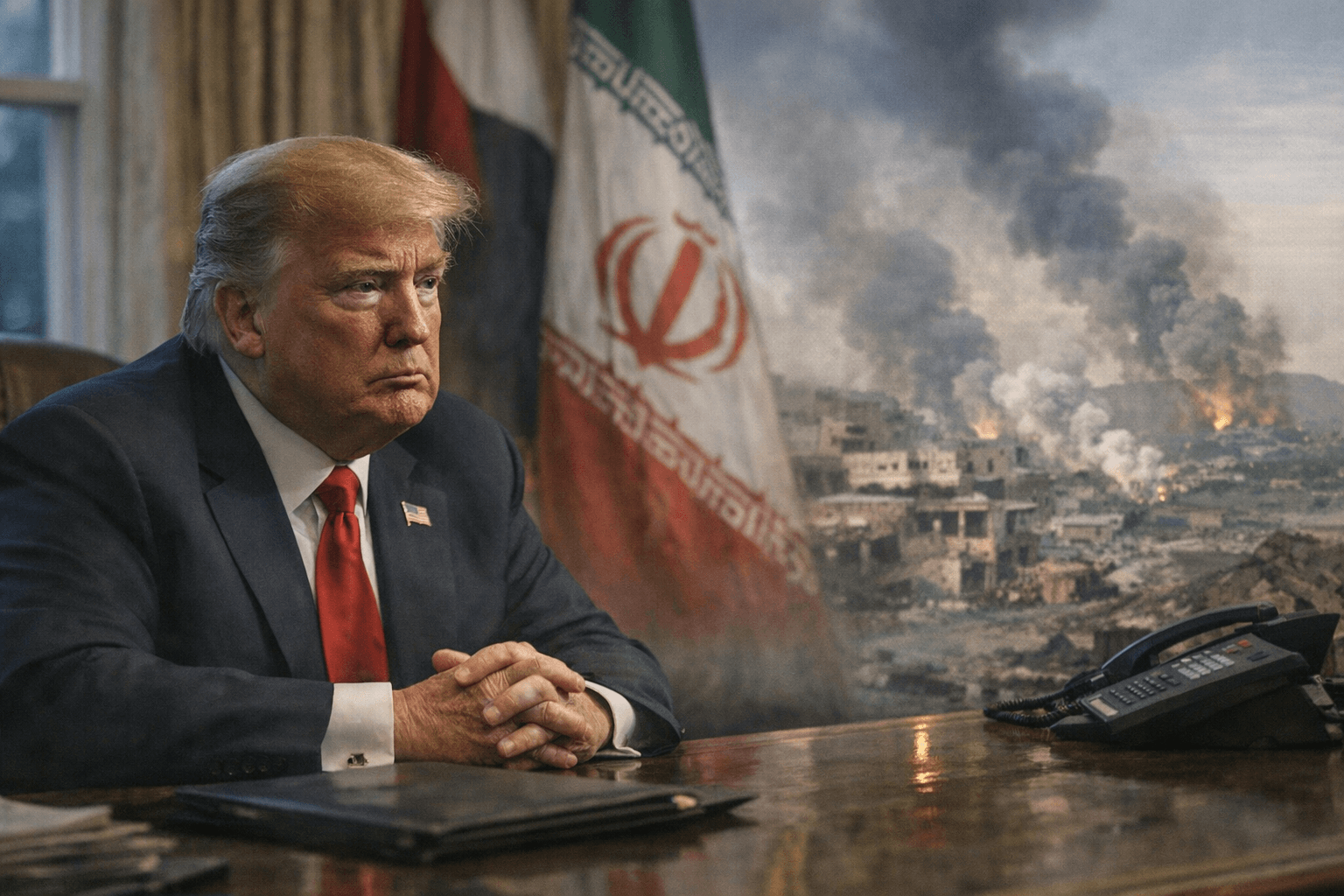
Donald Trump left his latest Iran ceasefire extension open-ended on Monday, again moving a deadline that had already slipped once and raising fresh questions about whether his warnings are leverage or noise. The president said the ceasefire would continue until Iran’s leaders and representatives produced a unified proposal and talks were concluded, but he did not set a new end date.
The shift came after Trump announced a two-week ceasefire on April 7 following Pakistan-mediated talks, with the original expiration set for April 21. That deadline had been framed as a narrow window for diplomacy. Instead, the White House extended it without a fresh timetable, while keeping a blockade on Iranian ports in place. Trump had already shown a pattern of hard deadlines that softened under pressure, including a March 21 ultimatum that gave Iran 48 hours to fully reopen the Strait of Hormuz or face strikes on Iranian power plants.
That pattern matters because the Strait of Hormuz is one of the world’s most important energy chokepoints. Even the threat of disruption has been enough to rattle oil markets and sharpen fears of wider conflict in a region where shipping lanes, energy flows and military signaling are tightly linked. When deadlines keep moving, the credibility cost is not just diplomatic. It can shape how adversaries read Washington’s willingness to act, and how allies judge whether U.S. warnings are commitments or negotiating posture.
Iran’s response was openly skeptical. An adviser to Iranian parliament speaker Mohammad Baqer Qalibaf called the extension “a ploy to buy time” for a surprise strike. Iranian media also said Tehran saw little value in attending talks under the current conditions, reflecting deep suspicion that the ceasefire may be serving a military purpose as much as a diplomatic one.
Pakistan’s role as mediator added another layer to the uncertainty. Reports said Islamabad had pressed for a two-week extension, underscoring how much regional governments still hope to keep the confrontation from spilling into a broader war. But with no fixed deadline and no clear enforcement standard, the ceasefire now sits in a gray zone, part negotiation tool, part pressure tactic, and part test of whether Trump’s red lines still mean what they say.
This article was produced by Prism’s automated news system from verified source data, official records, and press releases, then run through automated quality and moderation checks before publishing. The system is built and supervised by the people who set the standards it runs under. Read our full AI policy.
Did this article answer your question?