Trump Iran ceasefire leaves Netanyahu facing political and security trap
A U.S.-Iran interim deal reopened the Strait of Hormuz and sent oil down about $4, while Netanyahu faced pressure from Washington, his security chiefs and Israeli rivals.
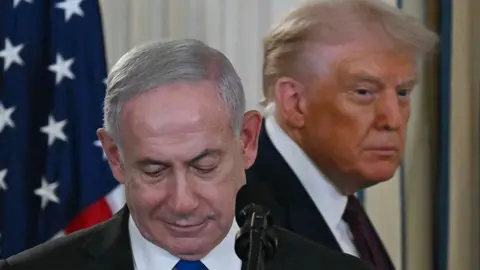
Benjamin Netanyahu was left exposed on two fronts by Donald Trump’s Iran ceasefire: Washington moved ahead with an interim bargain that reshaped the battlefield, while Israel’s political and security establishment turned inward and blamed its own leader. The deal reopened the Strait of Hormuz and launched 60 days of negotiations over Iran’s nuclear and missile programs, sanctions relief and the future of Tehran’s regional allies, a framework that immediately undercut Netanyahu’s bid to show that war with Iran would strengthen his hand at home.
The Strait of Hormuz carries nearly one-fifth of the world’s oil and natural gas supply, so the announcement hit markets fast. Oil prices fell by about $4 per barrel. The agreement was expected to be formally signed in Switzerland, with a Geneva ceremony that was said to include JD Vance, Steve Witkoff and Jared Kushner, underscoring how centrally the White House was managing the file without Israel as a party.
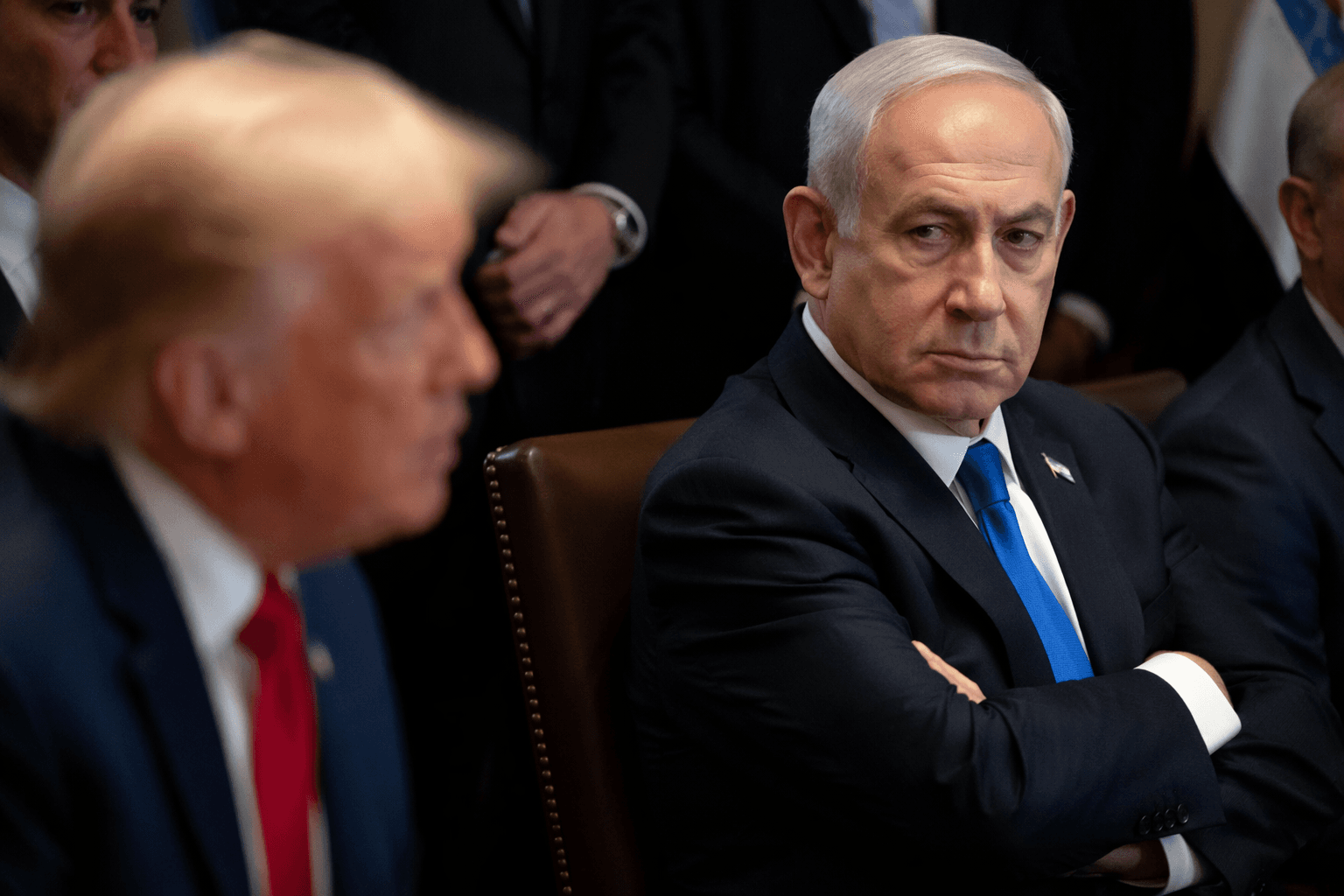
That exclusion mattered in Jerusalem. Reuters reported that Israeli officials privately called the preliminary accord “terrible for Israel,” and said they believed the talks would likely be extended, effectively tying Israel’s hands while its core concerns remained unresolved. Netanyahu tried to project defiance, saying Israel was not bound by the deal and would keep acting to prevent Iran from obtaining nuclear weapons “with an agreement, without an agreement.” He also emphasized that Iran’s demand for an Israeli withdrawal from Lebanon had been rejected.

The backlash inside Israel was broader than a partisan attack. Israelis from across the political spectrum reacted angrily, according to the Associated Press, with criticism aimed squarely at Netanyahu. Former prime minister Ehud Barak said that “Iran emerged stronger; Israel emerged weaker,” while opposition leader Yair Lapid called the arrangement one of the most shocking failures in Israel’s foreign and security policy and said it would turn Israel into a client state taking instructions on national security.

The Lebanon track added another layer of pressure. Reporting said the pact included restrictions or uncertainty around Israeli operations there, while Iran’s Supreme National Security Council said it covered an immediate suspension of military operations on all fronts, including Lebanon. The U.S. president also criticized recent Israeli strikes in Beirut as nearly derailing the agreement, leaving Netanyahu to choose between pressing military action and risking a direct clash with Washington.
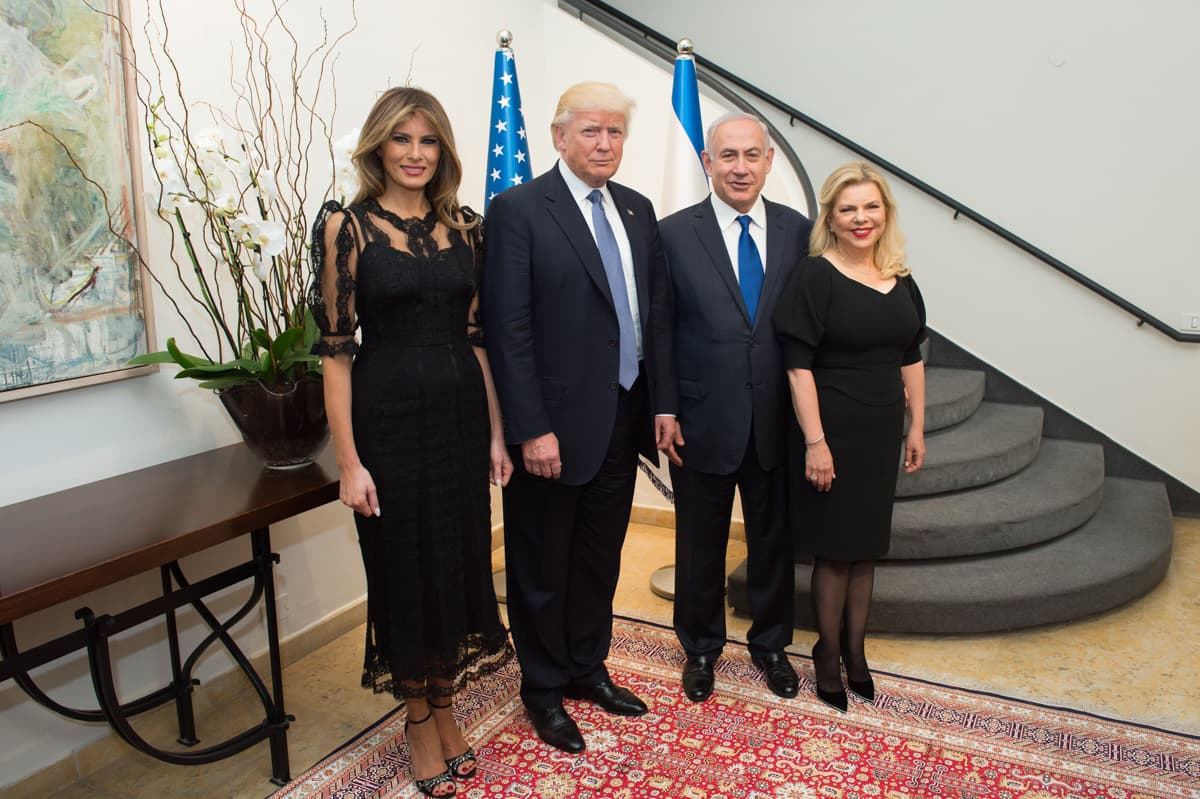
The political stakes were already high before the ceasefire. On February 11, 2026, Trump said there was no “definitive” agreement with Netanyahu and that talks with Tehran would continue, a reminder that the two leaders were never fully aligned on the scope of diplomacy. Netanyahu had wanted any deal to go beyond the nuclear program and include Iran’s missile arsenal, but the new accord moved ahead on Washington’s terms. With elections expected in the fall, the ceasefire now looked less like a diplomatic reset than a referendum on Netanyahu’s judgment.
This article was produced by Prism’s automated news system from verified source data, official records, and press releases, then run through automated quality and moderation checks before publishing. The system is built and supervised by the people who set the standards it runs under. Read our full AI policy.
Know something we missed? Have a correction or additional information?
Submit a Tip