Trump Issues 48-Hour Hellfire Ultimatum to Iran Over Strait of Hormuz
Trump posted an explicit 48-hour hellfire threat to Iran as war-risk shipping insurance surged and a fifth of global oil supply remained bottled up in the closed Strait of Hormuz.
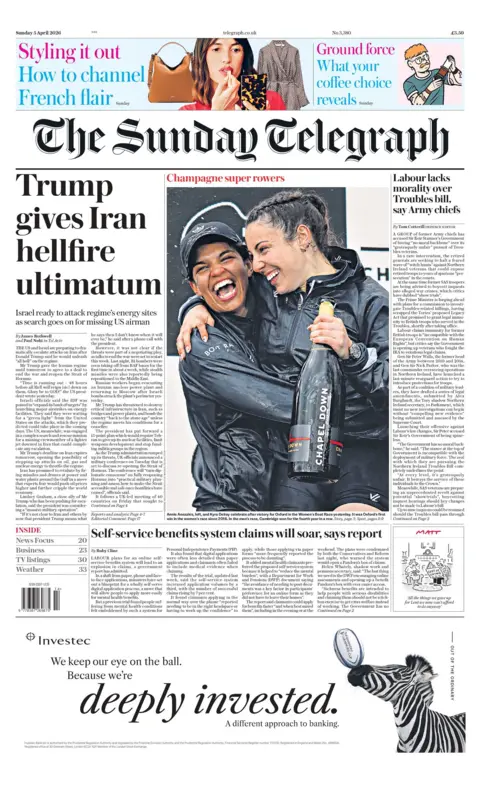
In a Truth Social post Saturday night, President Donald Trump issued an explicit 48-hour ultimatum to Iran. "Time is running out. 48 hours before all Hell will reign down on them. Glory be to GOD," he wrote, demanding Tehran either fully reopen the Strait of Hormuz or conclude a ceasefire deal, or face what he framed as devastating military consequences.
The Strait is why this escalation carries immediate economic weight for the entire industrialized world. The narrow passage between Oman and Iran carries roughly a fifth of the world's daily oil supply and significant volumes of liquefied natural gas. Since Iran's Islamic Revolutionary Guard Corps declared on March 27 that the strait was closed to vessels sailing to or from U.S., Israeli, and allied ports, war-risk shipping insurance premiums surged from 0.125 percent to as high as 0.4 percent per transit. For a single large oil tanker, that increase amounts to an extra quarter-million dollars per voyage. Major shipping firms suspended operations in the area as oil prices climbed and stock markets fell, translating the conflict into an acute energy shock for American allies across Europe and Asia.
Saturday's ultimatum arrived against a backdrop of escalating threats stretching back more than a year. On March 30, 2025, Trump told NBC News: "If they don't make a deal, there will be a bombing. It will be bombing the likes of which they have never seen before." Earlier that month, on March 7, he had written to Supreme Leader Ali Khamenei proposing nuclear negotiations under threat of military force. Formal U.S.-Iran talks opened April 12, 2025, with Trump setting a 60-day deadline; a second round followed in Geneva. Four days before Saturday's post, Trump had declared the U.S. already "won" the war and that Iran had agreed to "never have a nuclear weapon." Then came the hellfire language.
The military campaign launched February 28, 2026 has also exposed a gap between stated objectives and actual targeting. In its first four weeks of strikes, key buried nuclear sites including Pickaxe Mountain near Natanz and installations around Isfahan were not hit. Iran's atomic energy chief Mohammad Eslami reinforced Tehran's position roughly a week before the ultimatum, declaring publicly that no country can deprive the Islamic Republic of its right to nuclear enrichment.
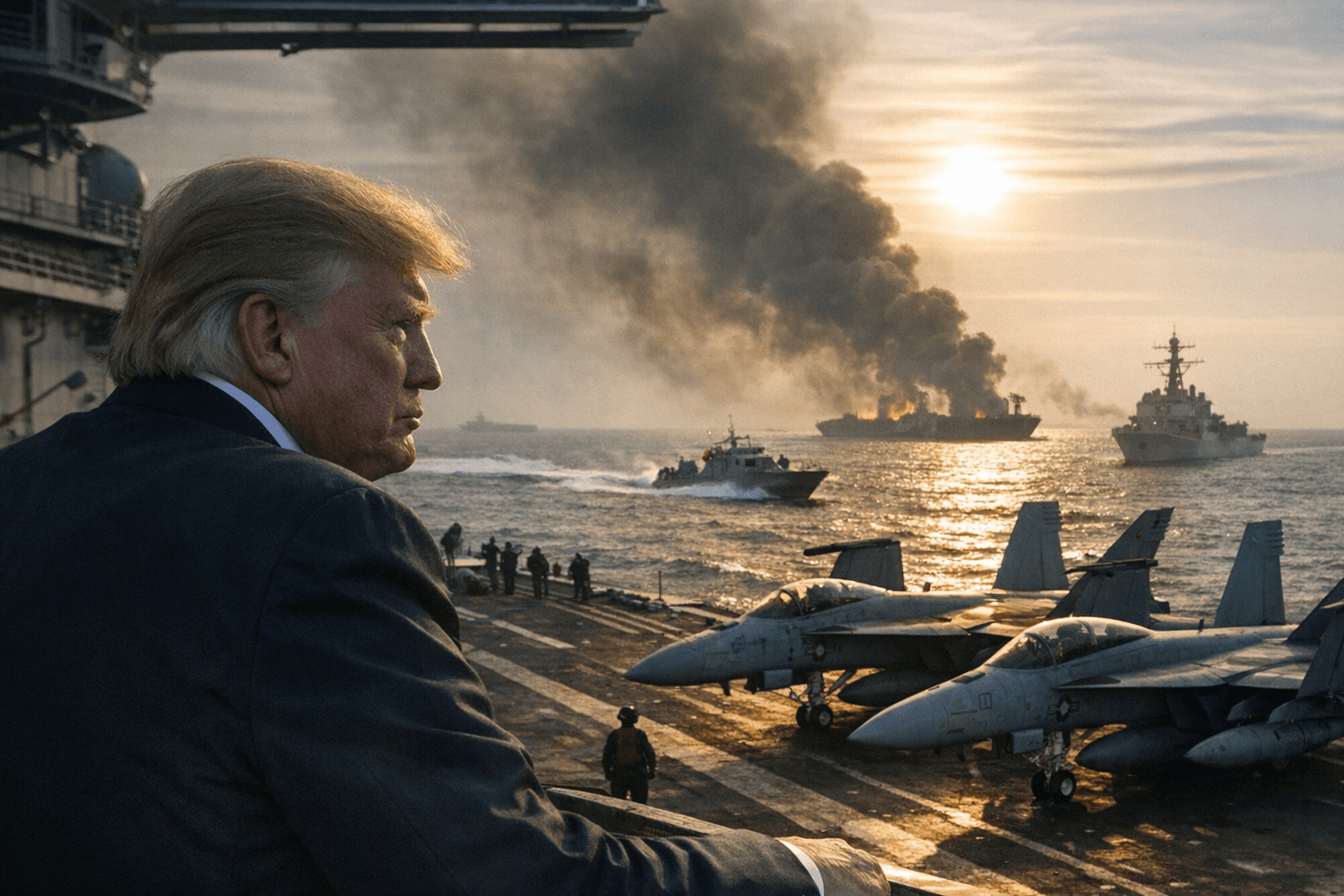
The Arms Control Association has noted the central irony: Trump's current negotiators are trying to reimpose nuclear constraints that the 2015 Joint Comprehensive Plan of Action had already established, before Trump abandoned that agreement in 2018 and reimposed sweeping sanctions on Iran.
While Trump reached for military leverage, UK Prime Minister Sir Keir Starmer chose a different instrument entirely in the same weekend news cycle. Starmer condemned Wireless Festival for booking Kanye West to headline its July concerts at London's Finsbury Park. "It is deeply concerning that Kanye West has been booked to perform at Wireless despite his previous antisemitic remarks and celebration of Nazism," he told The Sun. London Mayor Sadiq Khan also condemned the booking. Jewish community leaders urged Home Secretary Shabana Mahmood to deny West entry to Britain; Australia had already barred him following his 2025 release of a song titled "Heil Hitler." The concerts would be West's first UK appearances in 11 years. Two democratic leaders, operating in the same news cycle, reached for entirely different tools: one threatened military obliteration, the other issued moral condemnation.
This article was produced by Prism’s automated news system from verified source data, official records, and press releases, then run through automated quality and moderation checks before publishing. The system is built and supervised by the people who set the standards it runs under. Read our full AI policy.
Did this article answer your question?


