Trump, Justice Department settle lawsuit over leaked tax returns
The settlement put IRS safeguards and Treasury oversight on trial after a contractor leaked Trump’s returns and data from thousands of other taxpayers.
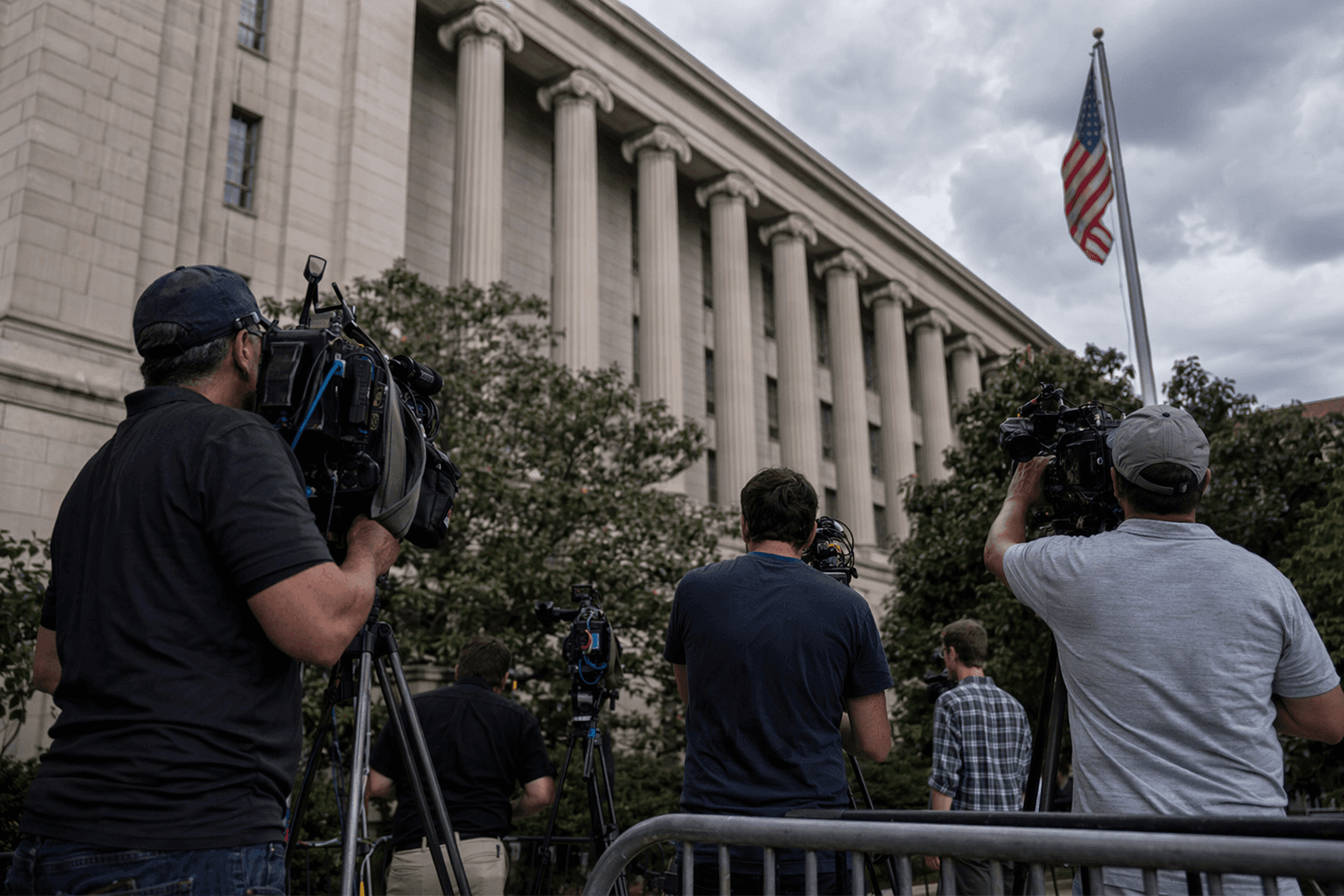
The settlement of Donald Trump’s lawsuit over leaked tax returns shifted the focus from a $10 billion damages claim to a basic question of government control: how a contractor inside the tax system was able to reach sensitive files, hide his purpose and pass them out.
Trump reached the agreement with the Justice Department in his case against the IRS and Treasury Department, a lawsuit filed Thursday in federal court in Miami. The suit was brought in Trump’s personal capacity, with Eric Trump, Donald Trump Jr. and the Trump Organization joining as plaintiffs. It accused the government of mishandling tax returns that were improperly disclosed to news organizations in 2020 and said the leak caused reputational harm, financial harm, public embarrassment and damage to the family business.

The underlying breach points to a failure that was larger than one taxpayer. Charles E. Littlejohn, an IRS contractor, was sentenced on January 29, 2024, to five years in prison after pleading guilty to unauthorized disclosure of tax return information. The Justice Department said Littlejohn used broad search parameters to conceal his purpose, evaded IRS safeguards, saved returns to personal storage devices and disclosed the material to two news organizations. Prosecutors said he began disclosing Trump-related tax information in 2019 and later leaked information on thousands of wealthy taxpayers in 2020.
The IRS said in May 2024 that the incident was unacceptable and that it was notifying affected taxpayers. That response, along with the settlement, leaves the impression of an agency trying to contain the fallout after one contractor exploited access that should have been tightly restricted. The public record in this case shows discipline falling first on Littlejohn, then on the outside contractor holding IRS work.
Treasury’s move against Booz Allen Hamilton underscored the institutional consequences. On Monday, the department canceled all contracts with the firm, saying it had failed to implement adequate safeguards for sensitive taxpayer data accessed through its IRS contracts. Booz Allen said it was surprised by the decision and said it had fully supported the government’s investigation into Littlejohn. The company had 31 contracts at issue, with about $21 million in total obligations and $4.8 million in annual spending.
The settlement now stands as a precedent for what happens when the government resolves a privacy-breach case brought by a president: the legal fight may end, but the accountability question does not. In this case, the criminal sentence, the Treasury contract cancellations and the IRS’s own acknowledgment of an unacceptable disclosure together suggest that the real verdict was on the strength of the safeguards surrounding taxpayer data.
Know something we missed? Have a correction or additional information?
Submit a Tip