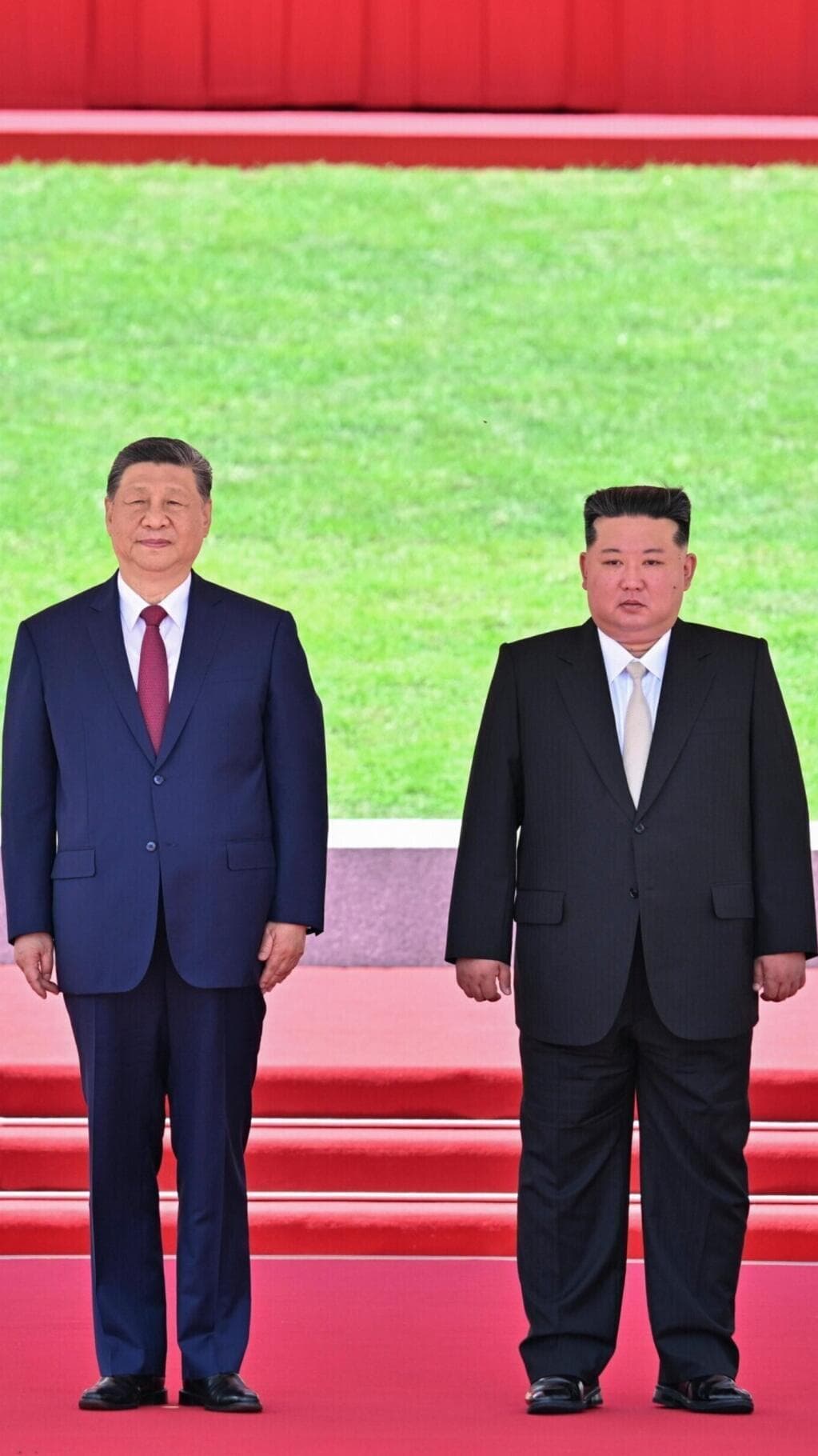
Trump lashes out at Netanyahu as Israel weighs Beirut strike
Trump publicly swatted at Netanyahu over a threatened Beirut strike, but repeated clashes with Iran and Hezbollah showed how little leverage Washington may have.
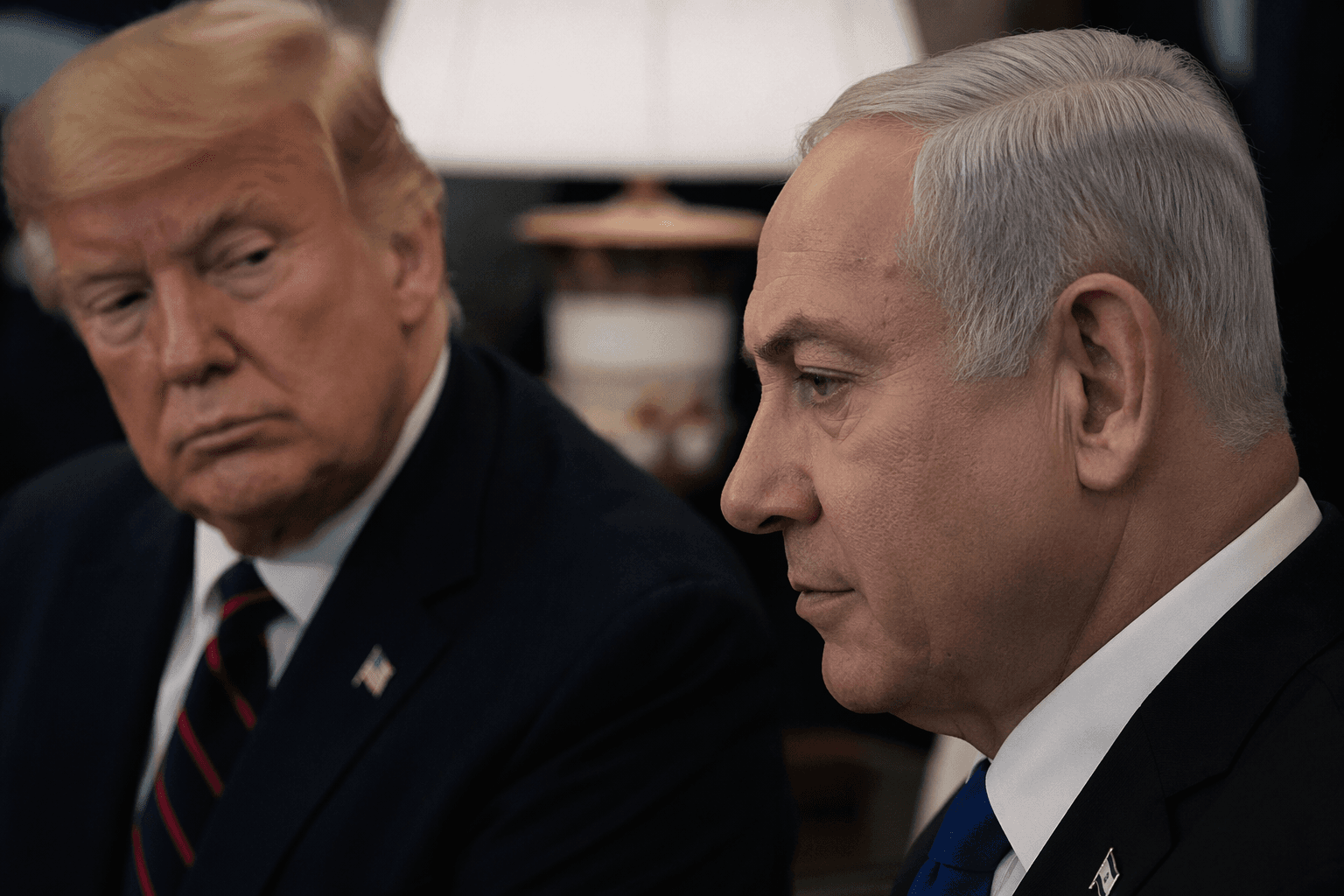
Trump’s sharp public break with Benjamin Netanyahu exposed a familiar question in Washington: when a close ally pushes ahead in a war zone, how much leverage does the White House really have? In early June, Trump said Israel would halt plans to strike Hezbollah targets in Beirut after privately telling Netanyahu he was “crazy” and publicly saying he was “a little bit perturbed” by the fighting.
The timing mattered because this was not a theoretical dispute. Trump’s declaration that Israel would stop the Beirut operation suggested direct U.S. intervention in Israeli military decision-making, not just loose diplomacy. It also showed the limits of alliance rhetoric: Washington can pressure, but it cannot easily compel an ally that is already operating across Lebanon, Gaza and the wider confrontation with Iran.
The friction widened as Israel and Iran traded fire again on June 7 and 8 after a ceasefire agreed in April. Trump urged Netanyahu not to retaliate after Iran fired missiles at Israel, warning that another round of strikes could wreck progress in talks with Tehran. As the exchange escalated, Trump also told both Israel and Iran to stop shooting, underscoring how the White House was trying to freeze the battlefield long enough to protect diplomacy.
That effort has run into the same problem that has dogged successive administrations: U.S. influence is strongest when it is tied to weapons, intelligence and diplomatic cover, but weakest when Israeli leaders judge that immediate security needs outweigh American warnings. Israeli sources have downplayed any full rupture, saying Netanyahu and Trump still agree on the main goals even if they disagree on tactics. But the public tone has made the disagreement impossible to miss.
Netanyahu is under pressure at home as well. Criticism has grown in Israel, and polls show him losing ahead of elections due by October 2026. That weakens his room to maneuver and makes every clash with Trump more politically charged, especially if he is seen either yielding to Washington or gambling that he can ignore it.
For Trump, the dispute is more than a personality clash. It is a test of whether the United States can still shape Israeli military behavior when disagreements are out in the open, or whether public pressure only reveals how little leverage Washington truly has once an ally has decided to act.
This article was produced by Prism’s automated news system from verified source data, official records, and press releases, then run through automated quality and moderation checks before publishing. The system is built and supervised by the people who set the standards it runs under. Read our full AI policy.
Know something we missed? Have a correction or additional information?
Submit a Tip