Trump launches Project Freedom as Hormuz crisis rattles oil markets
Trump’s Project Freedom met a fresh Hormuz flare-up as Brent jumped more than 5%, raising the risk of higher gasoline prices and more market stress.
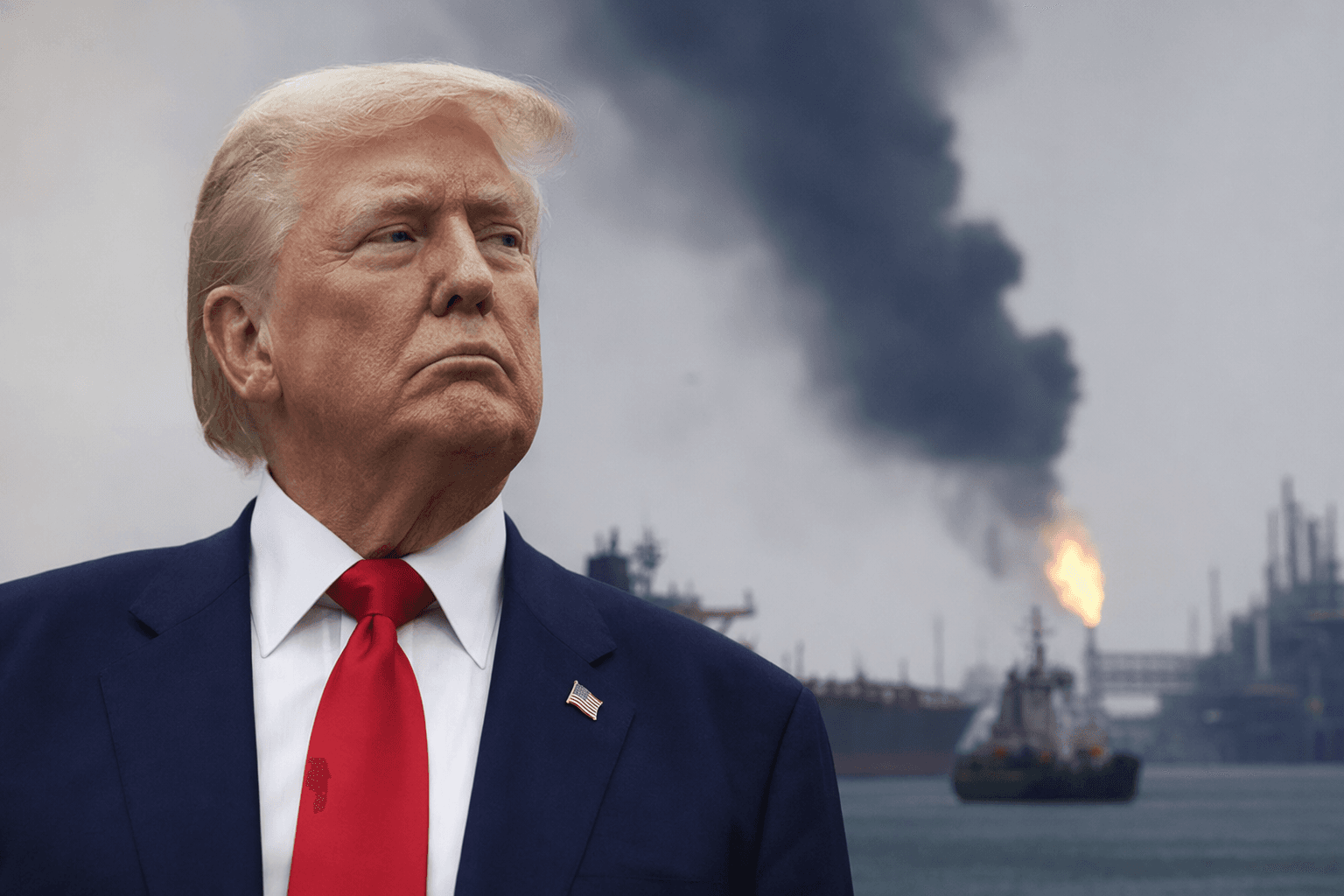
Oil markets lurched higher Monday as renewed violence around the Strait of Hormuz threatened a shipping lane that carries roughly one-fifth of global oil supply, a reminder that a crisis far from U.S. gas pumps can still show up in American wallets.
President Donald Trump said Sunday that the United States would begin an effort Monday to “guide” stranded ships out of the strait, calling the operation “Project Freedom” and promising “best efforts” to move noncombatant vessels and crews through the passage safely. The effort could involve hundreds of ships and about 20,000 seafarers, and a U.S.-led task force said it had already started the operation. The Strait of Hormuz has been effectively under Iranian control during the war, creating a choke point for tankers moving crude out of the Persian Gulf.
That squeeze got worse Monday. Iran struck several ships in the strait and set a UAE oil port ablaze, while U.S. Central Command said Navy ships shot down Iranian cruise missiles and drones fired in the same escalation. Iran also warned that any vessel trying to transit the waterway would be attacked. Brent crude jumped more than 5% on the news, and U.S. stock futures, European stocks and bond prices fell as investors priced in a wider supply shock.
For U.S. consumers, the channel from Hormuz to the pump runs through crude futures, refinery costs and distribution risk. If tankers remain blocked or insurance costs stay elevated, gasoline and diesel prices can rise quickly, especially because the strait is central to the flow of global barrels that help set benchmark prices. A short burst of fear may fade if shipping resumes normally, but a sustained disruption would be harder to dismiss, keeping crude elevated and feeding inflation pressure through transportation, freight and household fuel bills.
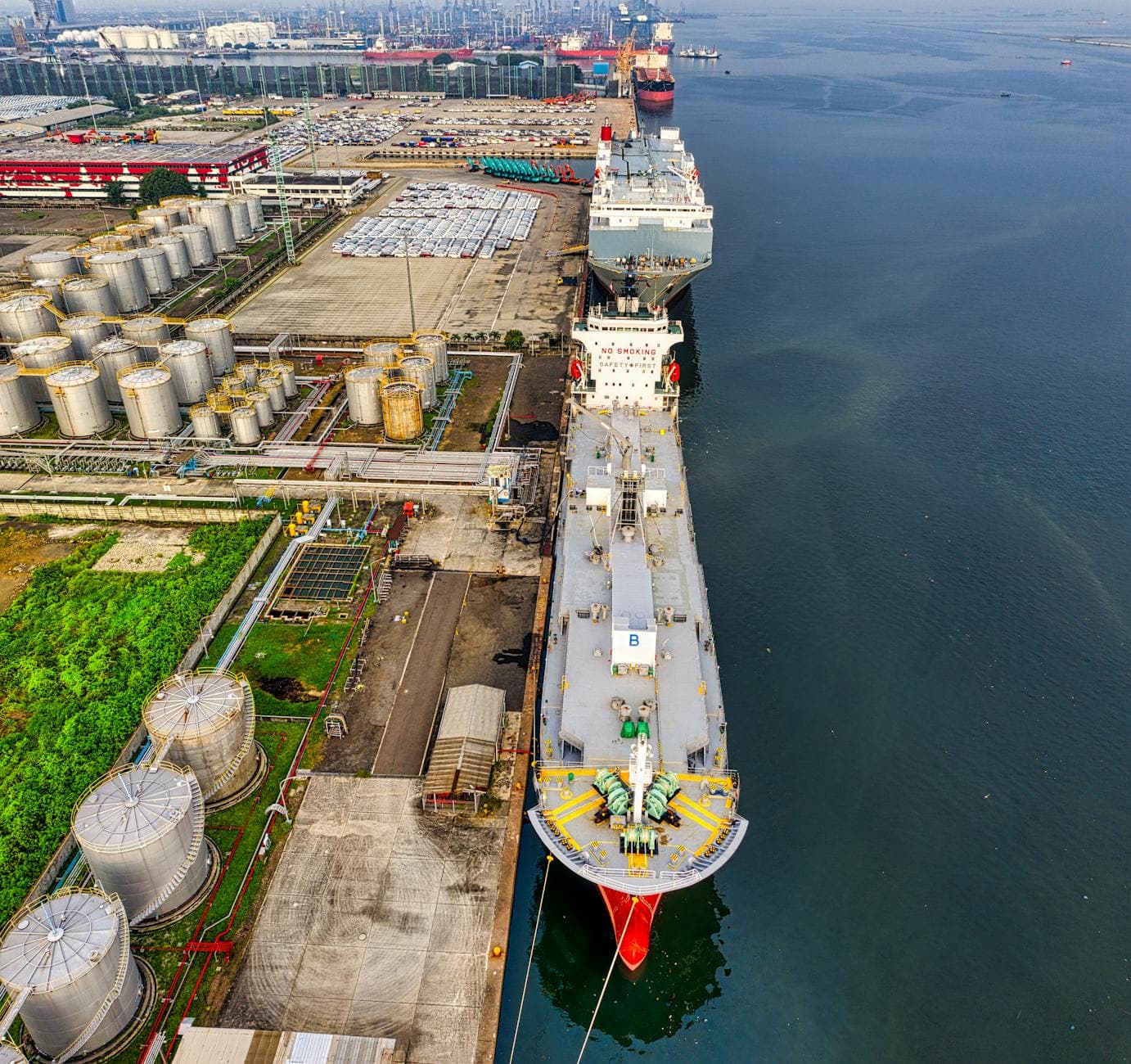
Markets were already sensitive to every sign of escalation, and the latest attacks turned that sensitivity into a broad selloff. Oil traders are now weighing whether Project Freedom can reopen enough of the route to calm shipping lines, or whether the Gulf remains a live risk for cargoes, crews and the prices Americans pay to fill up.
This article was produced by Prism’s automated news system from verified source data, official records, and press releases, then run through automated quality and moderation checks before publishing. The system is built and supervised by the people who set the standards it runs under. Read our full AI policy.
Did this article answer your question?

