Trump leaves China with no deals, as Xi warns over Taiwan tensions
Trump’s Beijing visit ended with pageantry and warnings, but no major trade deal, no Iran breakthrough, and a sharper clash over Taiwan.
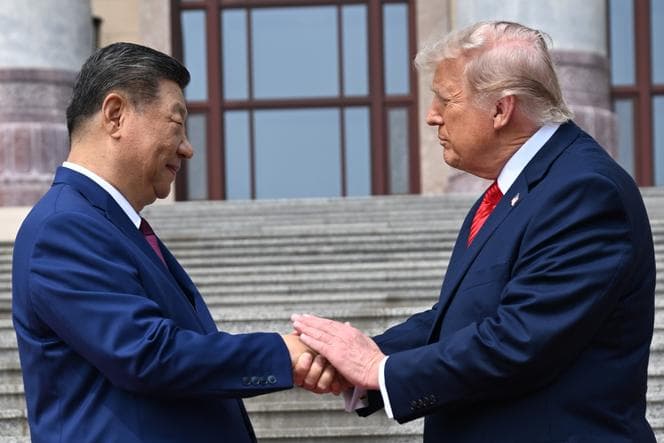
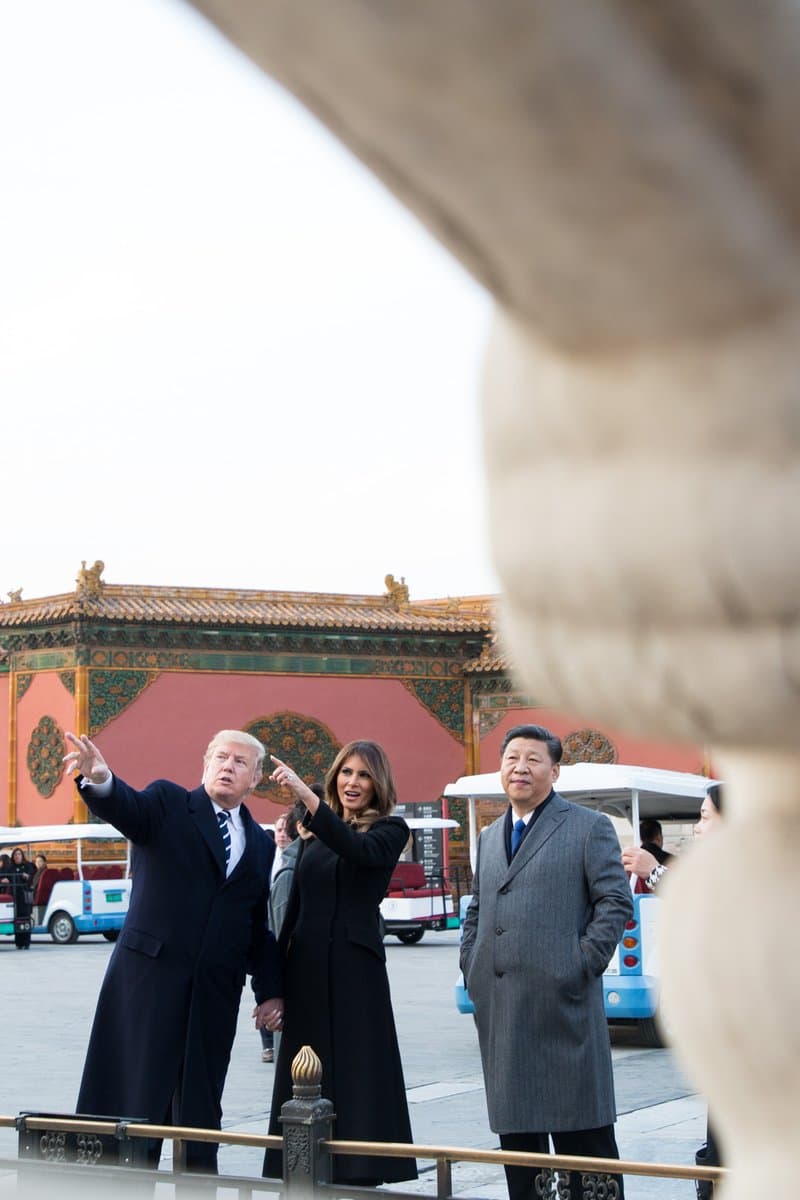
Donald Trump left China with no major breakthroughs, even after two days of handshakes, a state reception and a friendship walk through Zhongnanhai Garden with Xi Jinping. The summit in Beijing, held May 14-15, was meant to showcase Trump’s belief that personal chemistry can unlock hard geopolitical problems. Instead, it ended with little concrete movement on trade, no tangible help from Beijing to end the Iran war, and a stark reminder that Taiwan remains the most dangerous fault line in the relationship.
Trump spent much of the trip praising Xi as a “friend” and a “great leader,” and at a banquet said the two countries would have a “fantastic future together.” Xi, for his part, said the United States and China “should be partners and not rivals,” but he also warned that mishandling Taiwan could push the relationship into “great jeopardy” and lead to “clashes and even conflicts.” Trump said he heard Xi out, made no commitment on the issue, and would decide soon on a pending arms sale to Taiwan after speaking with “the person that right now is ... running Taiwan.”
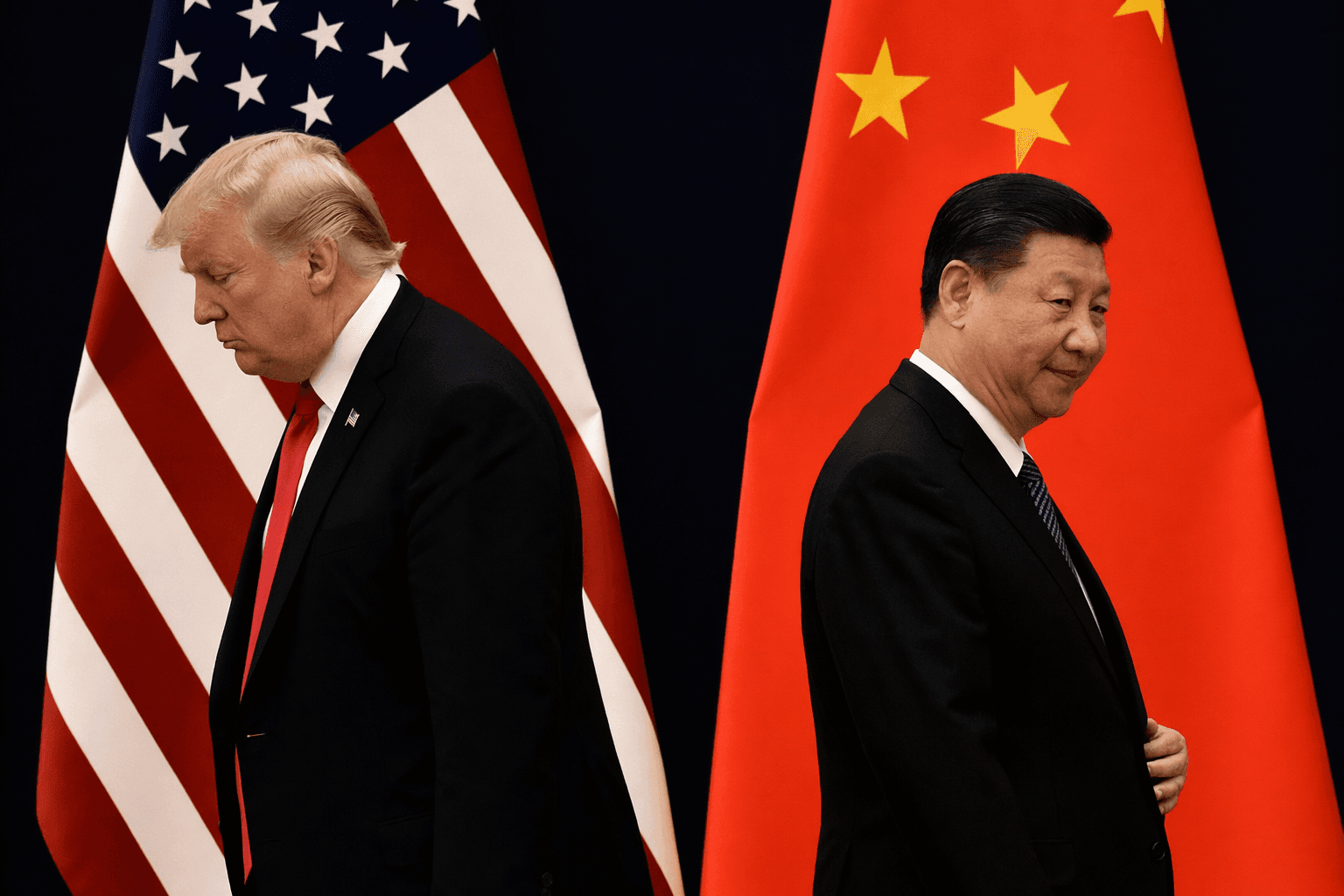
The visit was Trump’s first to China since 2017 and the first by a sitting U.S. president to China in nearly a decade, giving it unusual symbolic weight. Yet the substance remained thin. U.S. and Chinese officials had not announced many specific agreements by the end of the summit, even though the talks covered tariffs, rare earths, technology restrictions, oil and Iran. Trump said China agreed to buy U.S. oil and that Boeing aircraft sales could follow, but Chinese officials did not immediately offer formal confirmation.
The trip did appear to reinforce a fragile trade truce reached in October 2025, and analysts said the atmosphere alone may have reduced the risk of a fresh spiral in tariffs. But China later described the tariff, agricultural and aircraft understandings as “preliminary,” underscoring how little had been locked in. That gap between optics and outcomes was the central feature of the visit: a highly choreographed summit that produced warmer language, but not yet enforceable commitments.
Trump’s delegation included U.S. business leaders, reflecting his push for visible wins that could be sold at home. Xi invited Trump to visit the United States in the fall, and Trump invited Xi and Peng Liyuan to the White House on September 24, setting up another possible meeting before the current trade truce expires. For now, though, the Beijing summit left the world’s two biggest economies still trying to manage the same unresolved disputes over Taiwan, tariffs, chips, rare earths and access to markets, with personality carrying further than policy.
Know something we missed? Have a correction or additional information?
Submit a Tip