Trump Mocks Starmer Over British Hesitation on Iran War Support
Trump shared a comedy skit mocking Starmer for dreading his calls, then told the UK prime minister to forget sending aircraft carriers: "We don't need people that join Wars after we've already won!"

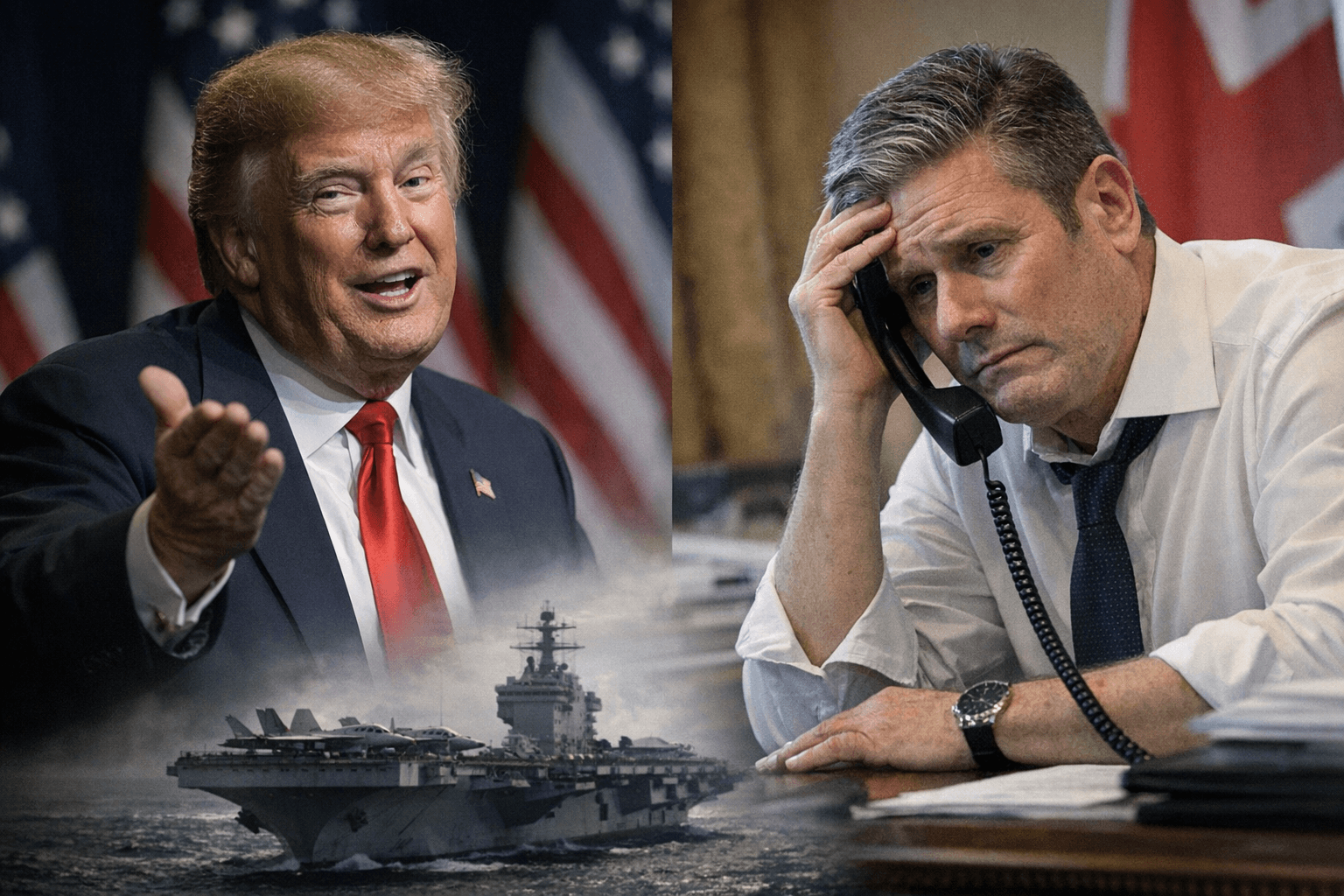
President Donald Trump shared a Truth Social video of a TV comedy skit showing a panicked British Prime Minister Keir Starmer trying to avoid taking his call, a pointed act of public mockery on the same day the two leaders ultimately spoke about the U.S.-Israel war on Iran.
The skit, aired on the premiere of the new British version of Saturday Night Live, shows Starmer played by actor George Fouracres panicking inside 10 Downing Street at the prospect of the call, turning to a fake David Lammy and asking: "What if Donald shouts at me?" In the clip, the actor playing Starmer continues: "What do I say, Lammy?" before adding, "Oh crumbs, I just hate conflict." Trump posted the video without comment.
The mockery was not simply opportunistic. It crystallized weeks of escalating friction rooted in a concrete policy dispute. Trump's feud with Starmer began when Britain initially refused the president's request to use its military bases in support of the war with Iran, which Starmer understood to be illegal. Starmer initially rejected the U.S. request to use British bases for the strikes on Iran, saying he needed to be satisfied that any military action was legal. The conflict itself began on February 28, 2026, when the United States and Israel launched a wave of airstrikes on Iran.
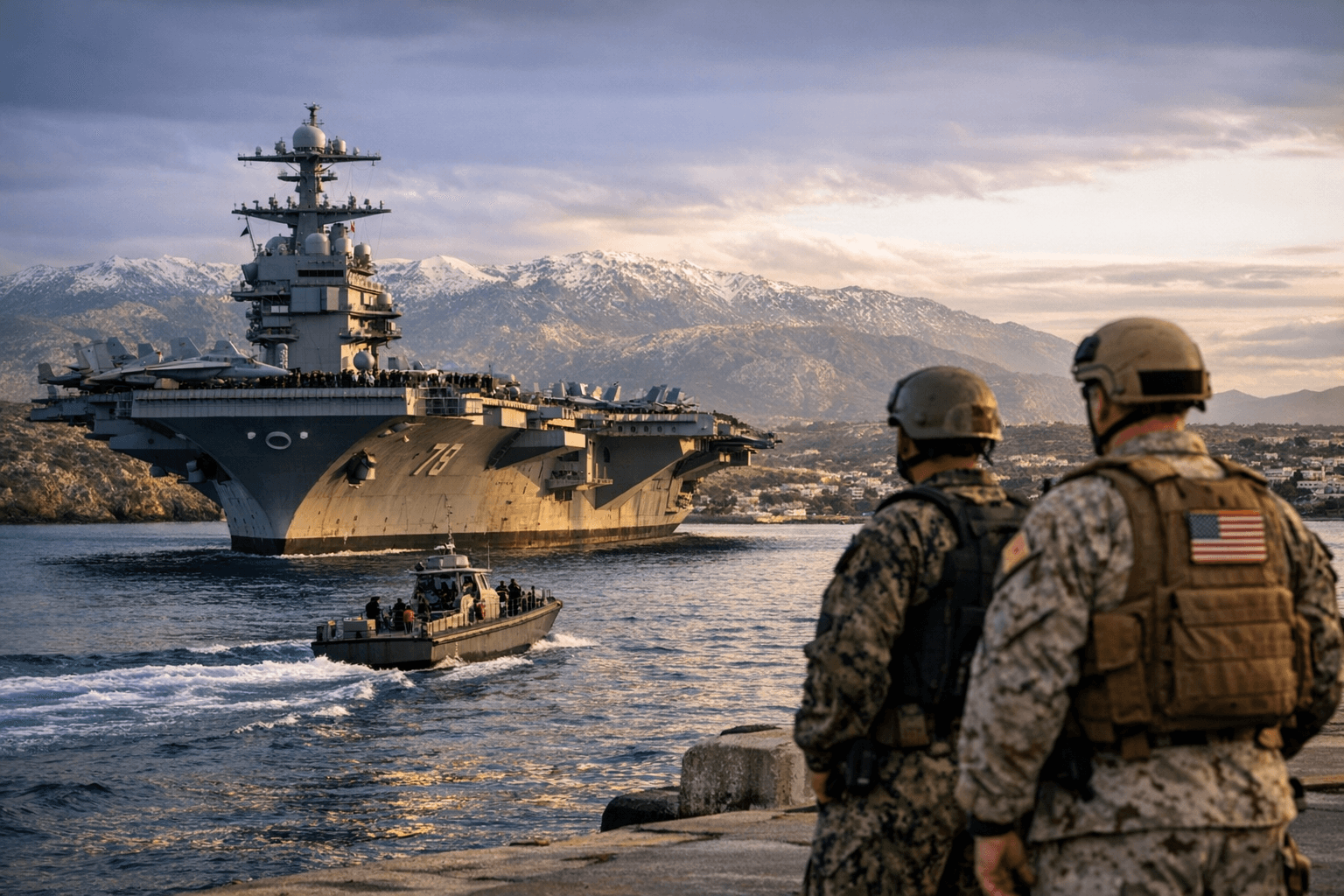
The UK Defence Ministry eventually said Starmer had allowed the U.S. to use its military bases for "limited defensive purposes," including RAF Fairford in Gloucestershire and the Diego Garcia site in the Chagos Islands, located in the Indian Ocean. But that concession came too late to soften Trump's public posture. After the UK's Ministry of Defence placed the HMS Prince of Wales on "high readiness," Trump posted on Truth Social: "The United Kingdom, our once Great Ally, maybe the Greatest of them all, is finally giving serious thought to sending two aircraft carriers to the Middle East. That's OK, Prime Minister Starmer, we don't need them any longer — But we will remember. We don't need people that join Wars after we've already won!"
Trump escalated his criticism on March 3, saying during a meeting with German Chancellor Friedrich Merz that he was "not happy" with the UK's decision, and of Starmer declared: "This is not Winston Churchill that we're dealing with." During the same Oval Office session, Trump said: "The U.K. has been very, very uncooperative with that stupid island that they have," a reference to the Chagos Islands dispute that has further aggravated bilateral tensions.
When Trump asked Starmer to send assets to help reopen the Strait of Hormuz, the prime minister said he would need to discuss the options with his team. Trump said he replied: "You don't have to worry about a team... you're the prime minister; you can make a decision... It's very disappointing."
Starmer did join the defense against Iran's retaliation after British military assets in the Middle East came under attack, but since then Trump has both mocked Starmer's apparent offers to help and berated him for not doing more.
The spectacle has strained not only the two leaders' personal dynamic but the institutional relationship they once worked to cultivate. When Starmer sat next to Trump in the Oval Office in February, he brandished a letter from King Charles III inviting Trump for a second state visit to Britain and said: "This is really special. This has never happened before. This is unprecedented... This is truly historic — an unprecedented second state visit." That uncharacteristic gushing reflected his government's calculated strategy: play to Trump's penchant for flattery and royalty, and hope to reap rewards.
Trump has since suggested Britain is no longer "the Rolls-Royce of allies," and while a second state visit has not been formally confirmed, King Charles had widely been expected to travel to Washington in April to celebrate the 250th anniversary of U.S. independence. Labour MP Emily Thornberry said Tuesday: "The last thing that we want to do is have His Majesty embarrassed. I think it needs to be thought through very carefully as to whether or not it's appropriate to go ahead now."
Peter Westmacott, who served as British ambassador to Washington from 2012 to 2016, told CNN: "Starmer has spent 18 months trying to manage the relationship by not rising to the bait and dealing in private. He doesn't have a huge ego himself... He tries to use calm and reason and arguments that will appeal to Trump. But it clearly doesn't always work, and you never know what he will say the next day."
A Downing Street spokesperson said Sunday's phone call between the two leaders was "constructive" and that they agreed "reopening the Strait of Hormuz was essential to ensure stability in the global energy market." Whether that procedural agreement holds against the backdrop of Trump's sustained public ridicule remains the open question hanging over the Atlantic alliance.
Know something we missed? Have a correction or additional information?
Submit a Tip