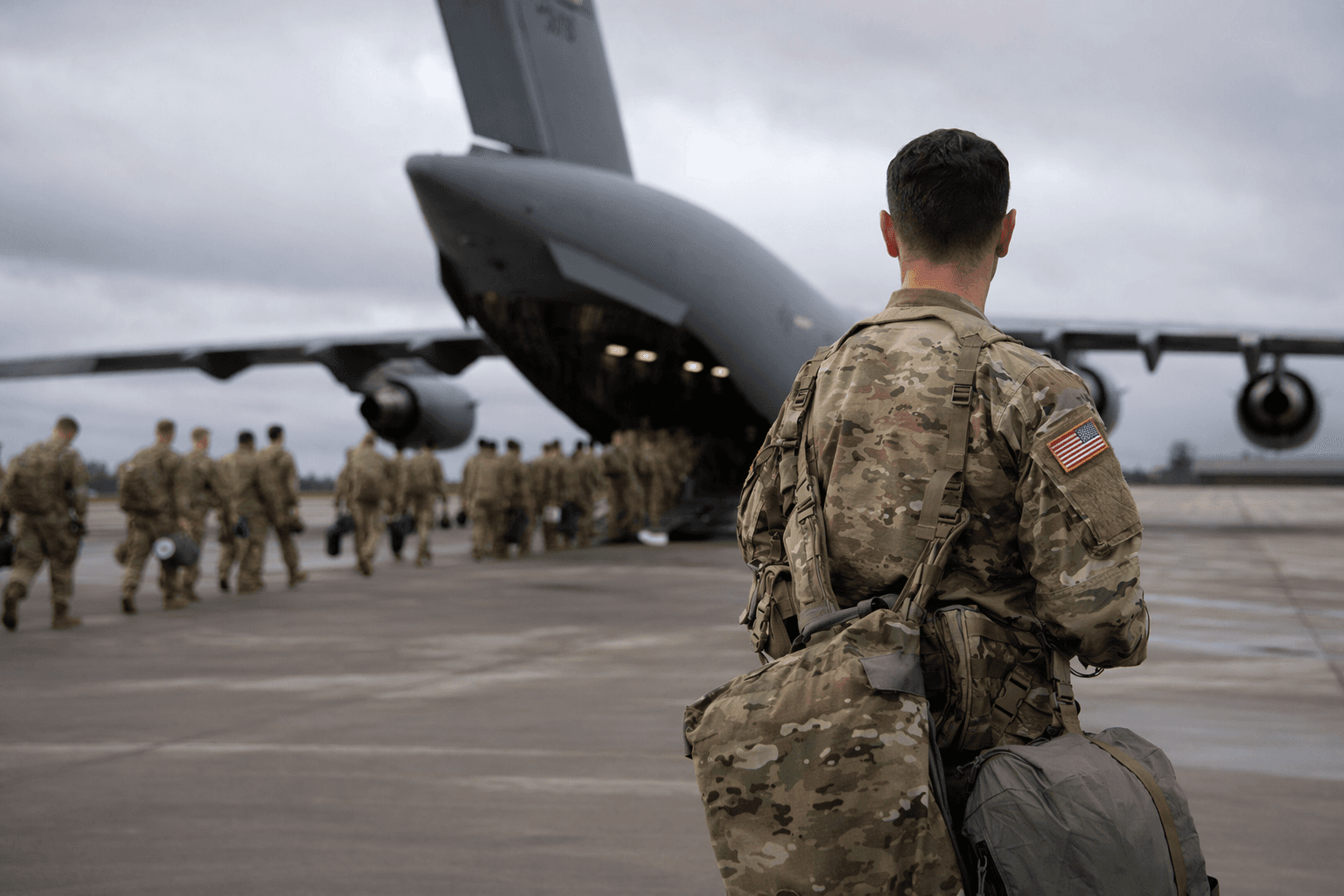
Trump orders 5,000 U.S. troops withdrawn from Germany after Merz rift
Trump's 5,000-troop cut hit Germany after Berlin brushed off his threats, exposing how Europe misread U.S. warnings amid the Merz-Iran feud.
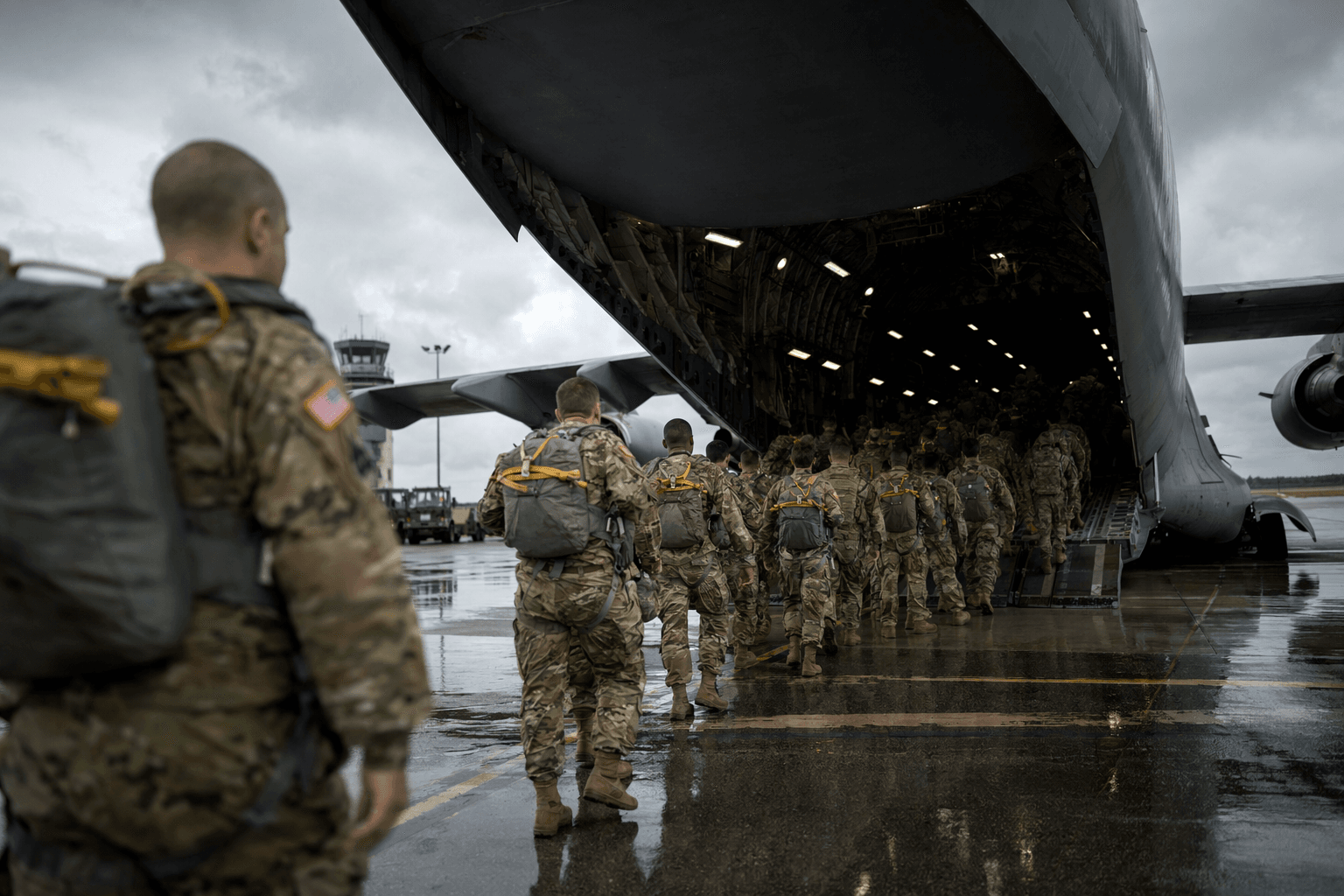
Berlin learned the hard way that Donald Trump’s threats about U.S. troops in Germany were not bluster. After the White House announced plans to pull about 5,000 active-duty personnel out of the country, German officials responded cautiously, even as the move underscored how badly Europe had misread the credibility of Washington’s warnings.
The cut will reduce the roughly 36,000 active-duty U.S. troops stationed in Germany by about 14 percent over the next six to 12 months, though Germany will still host the largest U.S. military presence in Europe. Pentagon officials said the drawdown followed a broader review of U.S. force posture on the continent and reflected “theater requirements and conditions on the ground.” Sean Parnell said the reduction would be completed over six to 12 months.
The decision came after a public break between Trump and German Chancellor Friedrich Merz over Iran. On April 30, 2026, Trump accused Merz of interfering with Washington’s effort to tackle “the Iran nuclear threat” and said Merz was “doing a terrible job” and should spend less time on the issue. Merz had said the United States was being “humiliated” by Iran during negotiations over the conflict.
German officials said they had been surprised by the announcement after what they described as constructive talks with U.S. counterparts. Boris Pistorius called the move “foreseeable” and said U.S.-German cooperation remained vital for peace and security in Europe, Ukraine and deterrence. The gap between Berlin’s public calm and Washington’s sharper posture exposed a wider problem in European capitals: assuming that alliance management would outweigh Trump’s willingness to use troop levels as leverage.
The episode was especially sensitive because Germany had already granted the United States overflight rights for the Iran operation and permission to use U.S. bases in Germany. Some wounded U.S. troops from the war were treated at Landstuhl military hospital near Ramstein Air Base, where Ramstein remains a central hub for American power projection in Europe. At the same time, Germany’s Chief of Defence, Gen. Carsten Breuer, was in Washington discussing Berlin’s new defense strategy, while Army Secretary Dan Driscoll was visiting German training ranges, including the sprawling facility at Grafenwoehr, to underscore the enduring U.S. presence.
The confrontation revived memories of Trump’s June 2020 plan to remove about 9,500 troops from Germany, a proposal that Joe Biden later halted. For NATO planners, the latest cut is more than a bilateral dispute. It is another warning that deterrence in Europe now depends not only on troop numbers, but on reading American signals accurately before they become orders.
Know something we missed? Have a correction or additional information?
Submit a Tip