U.S. approves $8.6 billion arms sales to Israel, Gulf allies amid Iran war
Washington fast-tracked more than $8.6 billion in arms to Israel and Gulf partners, using an emergency waiver as Iran attacks kept spreading across the region.
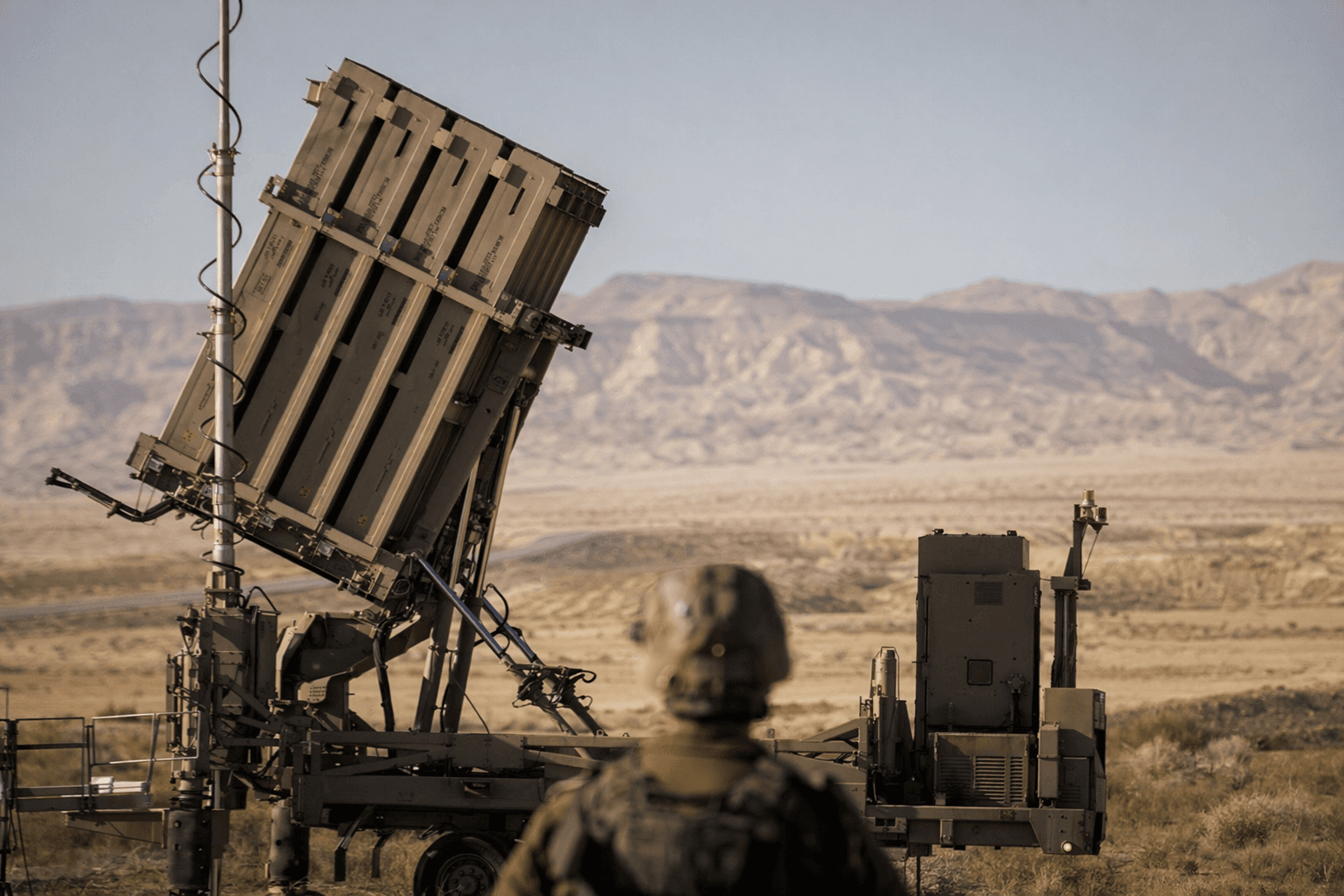
The Trump administration bypassed congressional review to approve more than $8.6 billion in military sales to Israel, Qatar, Kuwait and the United Arab Emirates, a sharp use of executive power that signals how deeply the Iran conflict has widened across the Persian Gulf. Secretary of State Marco Rubio determined that an emergency existed and waived the normal review process, putting urgency ahead of the usual oversight that Congress uses to weigh major foreign arms transfers.
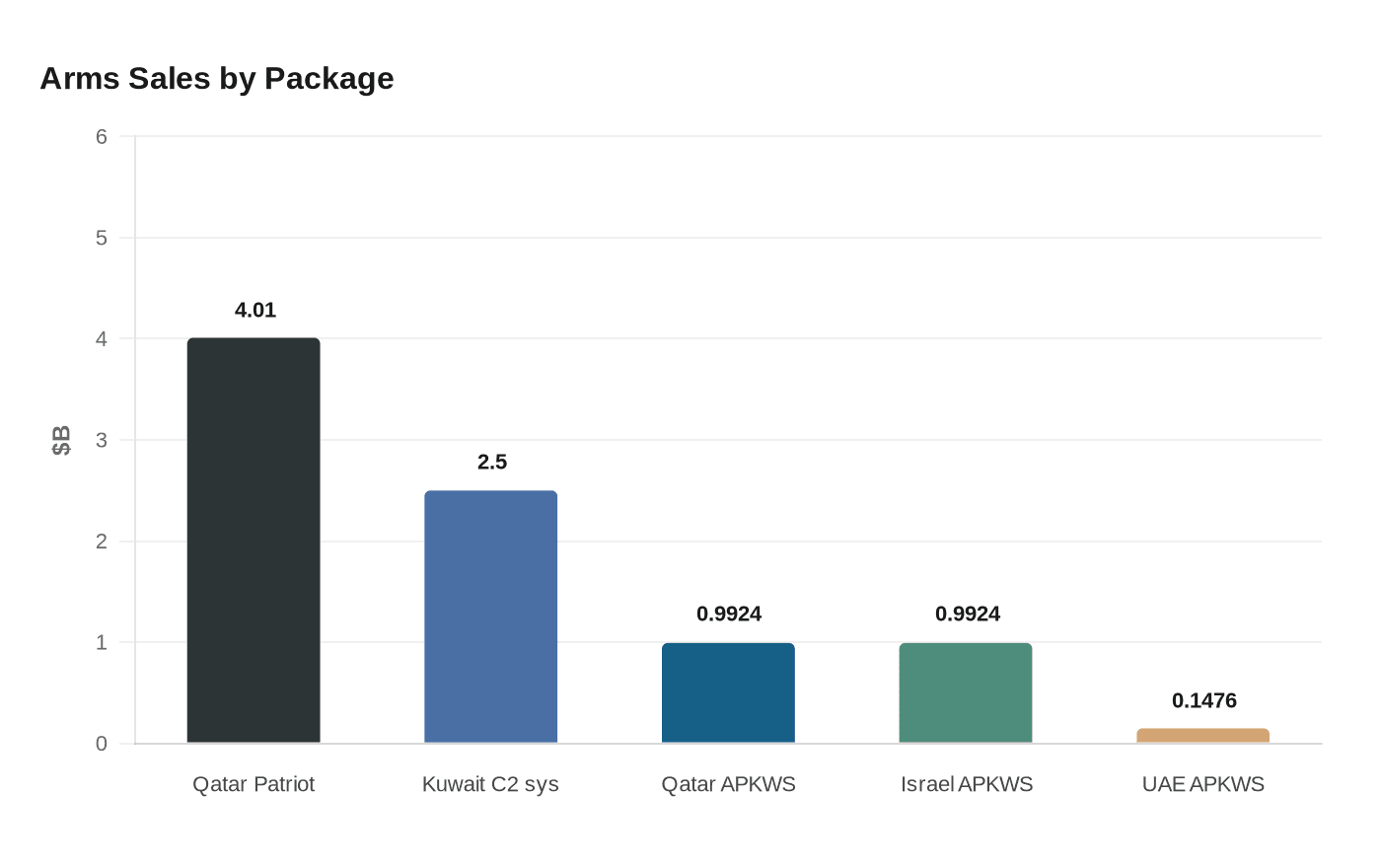
The largest package was a $4.01 billion sale to Qatar for Patriot air and missile defense replenishment services, part of a broader effort to keep Gulf air defenses supplied while missiles and drones continue to test regional interception systems. Qatar also received a separate $992.4 million package for Advanced Precision Kill Weapon Systems, while Israel was approved for $992.4 million in the same weapons line. The United Arab Emirates received a $147.6 million APKWS sale, and Kuwait was approved for a $2.5 billion integrated battle command system meant to improve air and missile defense coordination.
The principal contractors reflected how closely tied the region’s defenses have become to American industry: BAE Systems was the lead contractor on the APKWS sales to Qatar, Israel and the UAE, while RTX and Lockheed Martin were tied to the Qatari Patriot replenishment sale and the Kuwaiti command system. Northrop Grumman was also listed as an additional principal contractor in the Kuwait package. That mix underscores a central feature of the current crisis: the United States is not just supplying weapons, it is sustaining the command, control and interception architecture that Gulf allies will rely on if the fighting expands again.
The sales landed nine weeks after the start of the U.S.-Israeli war against Iran and more than three weeks after a fragile ceasefire took effect. Iran retaliated against U.S. and Israeli strikes with attacks on Israel and on Gulf states hosting U.S. bases, driving repeated air-defense alerts and intercept attempts across the region. The Atlantic Council said Iran’s retaliation has targeted Gulf military bases, civilian centers, and oil and gas infrastructure, while later reporting showed the United Arab Emirates, Saudi Arabia, Kuwait, Bahrain and Qatar all issuing alerts or activating defenses during missile and drone attacks.
The decision is likely to deepen scrutiny in Washington because it sidestepped the congressional review process at a moment when the risk of escalation remains live. It also fits a broader acceleration of regional arms transfers in 2026, including earlier approvals for a $3.0 billion Saudi F-15 sustainment package, a $1.98 billion Israel Joint Light Tactical Vehicle sale and a $3.8 billion Israel AH-64E Apache package. Taken together, the approvals show an administration treating the Middle East emergency as justification for faster arms delivery, even as that speed raises new questions about deterrence, oversight and how far the United States is prepared to be drawn into the conflict.
This article was produced by Prism’s automated news system from verified source data, official records, and press releases, then run through automated quality and moderation checks before publishing. The system is built and supervised by the people who set the standards it runs under. Read our full AI policy.
Did this article answer your question?


