Trump orders federal phase-out of Anthropic - Treasury to end Claude use
President Trump directed agencies to stop using Anthropic’s AI, setting a six-month phase-out; Treasury, State and HHS said they will remove Anthropic tools and the Pentagon moved to classify the firm as a supply-chain risk.
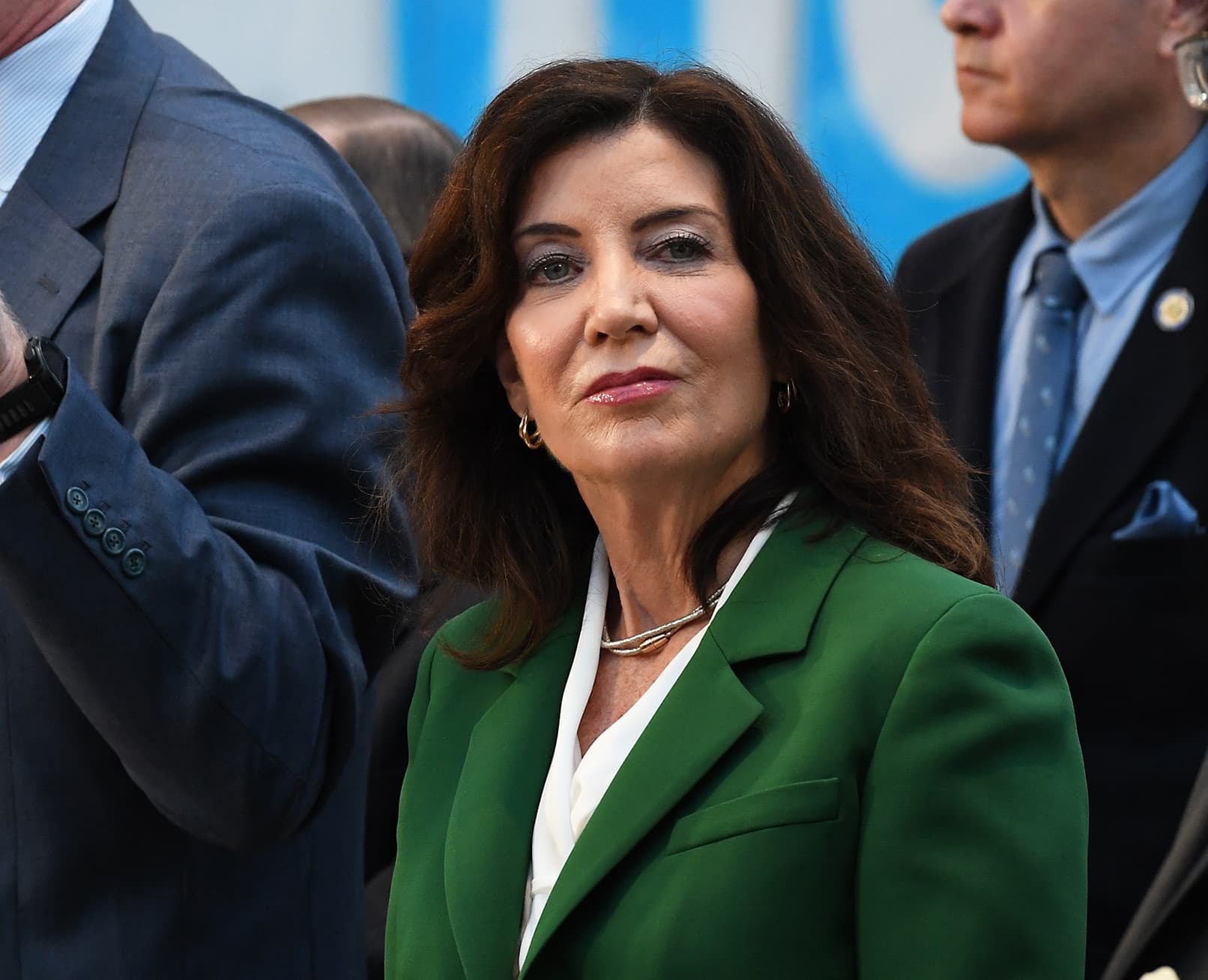
President Donald Trump directed every federal agency to stop using technology from Anthropic, saying "Anthropic's tools will be phased out of all government work over the next six months," and prompting immediate removal orders from several departments, including the Treasury, State and Health and Human Services.
The Treasury Department confirmed it will stop using Anthropic products, including the Claude large language model. The State Department said it would remove Anthropic services from its workflow. Health and Human Services indicated it would cease use of Anthropic tools while leaving other commercial AI services available for vetted work; HHS press secretary Emily Hilliard said "other softwares, like Anthropic competitors ChatGPT Enterprise and Google Gemini, remain available for 'authorized mission-related use in accordance with Department policy and federal information security requirements.'"
The Defense Department moved most sharply. The defense secretary posted on X that Anthropic would be "immediately" designated a supply-chain risk, and that firms doing business with the military would be prohibited from "any commercial activity with Anthropic." The Pentagon has been using the Claude system on classified networks and, according to officials, sought broader rights to operate the model. The Pentagon said it wanted to use Claude for "all lawful purposes," a demand that Anthropic declined when it set two firm redlines: Claude will not be used in autonomous weapons and will not be used in the mass surveillance of U.S. citizens.
Anthropic has been deployed in government and military settings since 2024 and was the first advanced AI company to operate on classified government systems. The company previously said it would "work to enable a smooth transition to another provider" if the Department of Defense chose to stop using its tools.

Industry and legal observers framed the dispute as a test of how private-sector guardrails interact with national security procurement. Nvidia CEO Jensen Huang said he "hopes the Pentagon and Anthropic can come to an agreement," adding that "if it doesn't get worked out, it's also not the end of the world" because the Pentagon can work with other AI vendors and Anthropic has other customers. University of Minnesota law professor Alan Rozenshtein noted a practical route for the defense establishment: "If the Pentagon was simply unhappy with Anthropic's conditions for its model, it could simply terminate the contract and get the AI model it wants from another company."
The moves carry immediate operational consequences for agencies that had integrated Anthropic models into analytics, policy support and classified workflows. Officials so far have described a mix of immediate stop actions and an overarching six-month phase-out timeline, leaving open questions about contract terminations, transition plans and the security controls necessary to migrate classified workloads. At the same time, another AI firm announced plans to deploy its technology into Defense Department classified networks, signaling vendors are lining up to replace Anthropic in sensitive environments.
The dispute spotlights a growing policy dilemma: vendors increasingly impose usage limits on dual‑use AI products for ethical reasons, while national security customers seek unfettered capabilities. The outcome will shape procurement rules, supply‑chain risk assessments and how much leverage private firms retain when contracting with the federal government. Key documents that remain to be released include any formal Department of Defense supply‑chain risk designation memorandum, the Treasury secretary's full public posting on the termination, and the contracting details that will govern how agencies unwind Claude and related services.
This article was produced by Prism’s automated news system from verified source data, official records, and press releases, then run through automated quality and moderation checks before publishing. The system is built and supervised by the people who set the standards it runs under. Read our full AI policy.
Did this article answer your question?