Trump orders major strikes on Iran as ceasefire frays again
Iran and Israel exchanged direct fire again just days after the ceasefire frayed, while Trump said he "calls all the shots" and kept U.S. diplomacy alive.

Direct attacks between Israel and Iran returned just as the fragile ceasefire showed fresh cracks, raising the risk that a war already widened by U.S. strikes could spill into Lebanon, the Red Sea and other fronts. President Donald Trump is trying to hold the line diplomatically while insisting he alone decides the terms, even as Israeli strikes and Iranian retaliation keep the region on edge.
Trump first announced "major combat operations" against Iran on Feb. 28, after weeks of failed talks between Washington and Tehran. U.S. and Israeli forces hit Iranian military, government and infrastructure sites in a campaign later described as involving dozens of Tomahawk missiles launched from warships and U.S. fighter aircraft. Reports cited at the time said the strikes killed Ayatollah Ali Khamenei and at least seven senior Iranian defense and intelligence officials. Trump said the bombing would continue for "days not hours" and cast the aim as peace across the Middle East and the world.
A two-week ceasefire announced on April 8 after roughly 40 days of fighting has remained brittle ever since. The latest exchange on June 7 and 8 was the first direct Israel-Iran attack since that truce, with Israel saying it struck military targets in western and central Iran after Iran fired ballistic missiles at Israel. Iran’s Revolutionary Guard said it hit two Israeli military bases under Operation Nasr, or "Victory."
The clash comes as the U.S. presses a draft resolution at the International Atomic Energy Agency demanding answers about Iran’s bombed nuclear sites and enriched uranium stockpiles. That diplomatic push reflects a central shift in the conflict: Washington is not only backing Israel militarily, but trying to shape the terms of any endgame around Iran’s nuclear program and regional posture.
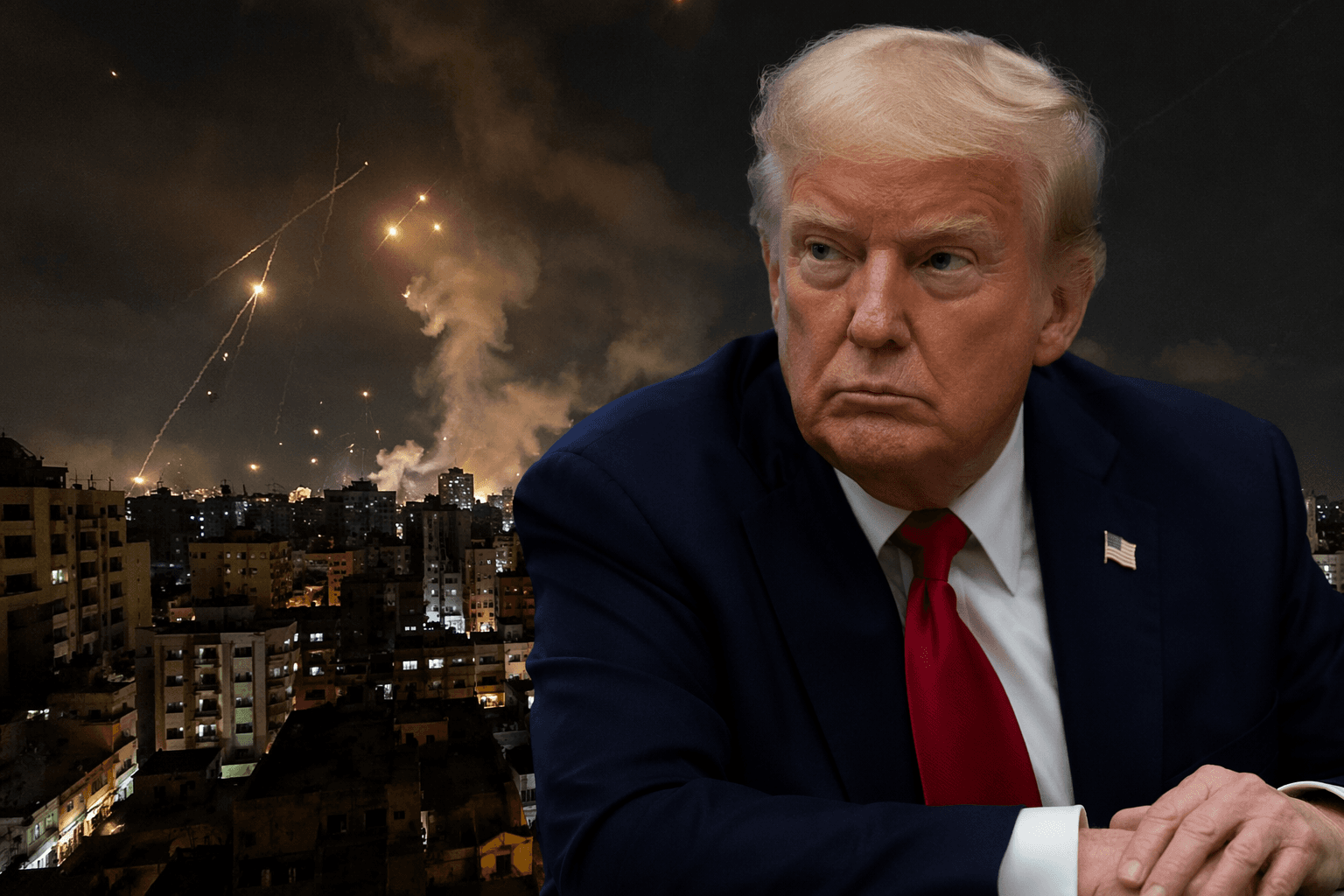
Trump has made clear he wants that leverage to stick. In a Financial Times interview, he said he calls "all the shots" and that Benjamin Netanyahu would have "no choice" but to accept any U.S.-Iran deal. He also said he planned to call the Israeli prime minister and urged restraint after Israel’s strike on Beirut’s southern suburbs, a move Tehran said would prompt retaliation.
Whether the region moves toward de-escalation or a broader multi-front war now depends on a few signs. Continued mediation by Pakistan, Turkey, Egypt, Saudi Arabia and Qatar would suggest the ceasefire and talks still have a lane. But renewed Houthi attacks on Israel-affiliated shipping in the Red Sea, more fire along Israel’s northern border, or a fresh round of Iranian missile launches would point toward a wider regional conflict that could draw in Lebanon, the Gulf and the waterways linking them.
This article was produced by Prism’s automated news system from verified source data, official records, and press releases, then run through automated quality and moderation checks before publishing. The system is built and supervised by the people who set the standards it runs under. Read our full AI policy.
Know something we missed? Have a correction or additional information?
Submit a Tip
