Trump Pardons Spark Crime Wave, With Dozens of Recipients Reoffending
At least 33 people pardoned by Trump have committed new crimes since their release, including one convicted of plotting to kill law enforcement officers.

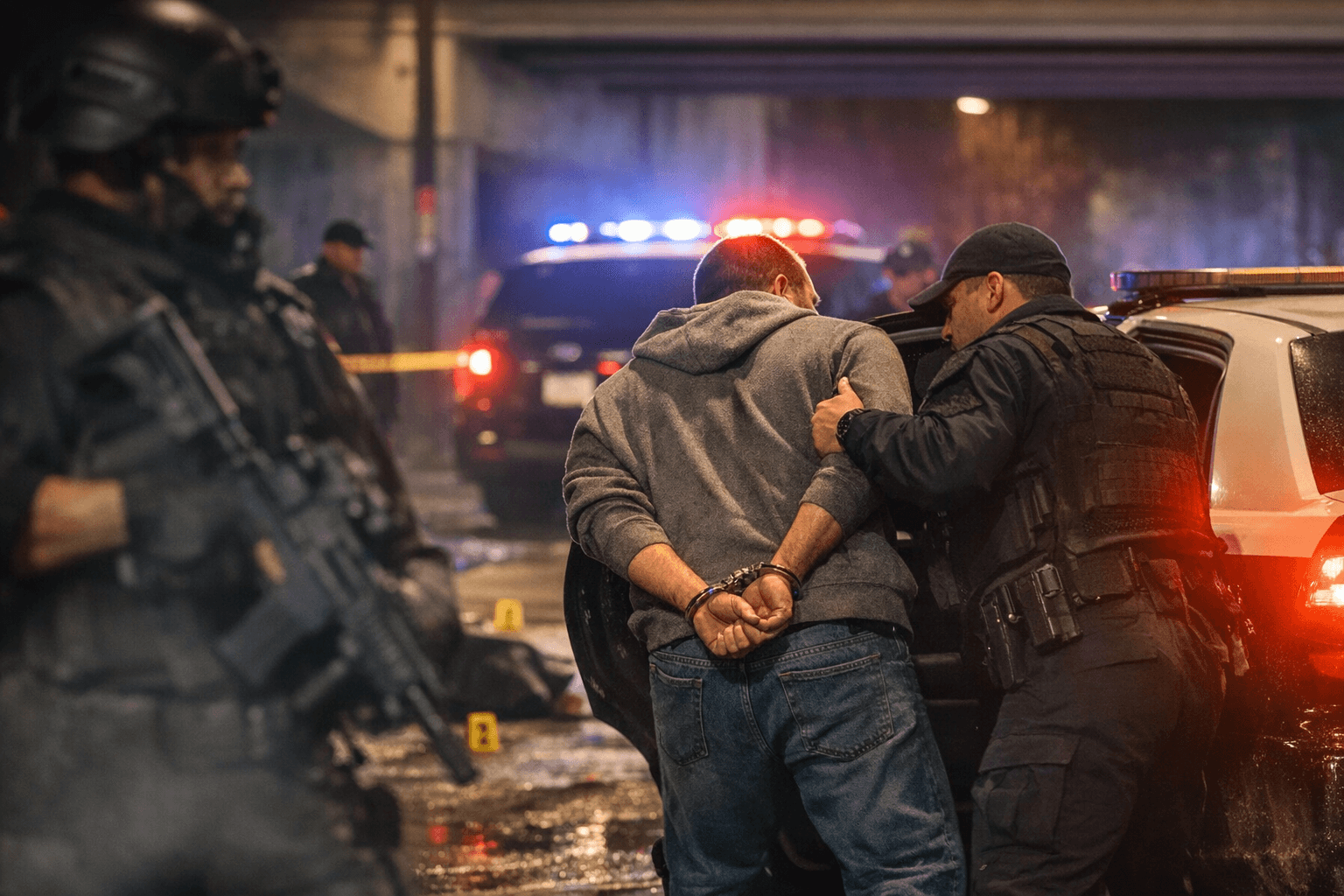
At least 33 people pardoned by President Donald Trump have gone on to commit new crimes, according to a House Judiciary Committee Democratic staff report examining the consequences of the administration's clemency program.
The cases are specific and serious. Texas man Andrew Taake, who received a pardon tied to the January 6, 2021 Capitol attack, was arrested last February on an outstanding charge of soliciting a minor. Edward Kelley, another pardoned January 6 insurrectionist, was later convicted of plotting to assassinate law enforcement officers. The report documenting those cases was titled "Where Are They Now: The Perpetrators of January 6th and the Defenders of Democracy Who Stopped Them."
The recidivism findings came alongside a financial reckoning of substantial scale. An NBC News analysis of pardons across the last four administrations found that the 87 people and one corporation pardoned by Trump in just the first year of his second term had been ordered to pay more than $298 million in fines and restitution. That total exceeded by $20 million the combined restitution owed by all pardon recipients during Trump's entire first term, when pardons nullified more than $276 million in fines and restitution. Twenty-three of those pardoned in the first year individually owed more than $100,000 each.
The financial picture grew starker when accounting for the mass pardon Trump issued to 1,500 January 6 felons and dozens of white-collar criminals. A House Judiciary Committee Democratic staff analysis released June 17, 2025 put the combined total at approximately $1.3 billion in restitution payments and fines wiped out. "Our new analysis reveals that when President Trump issued a mass blanket pardon to 1,500 January 6 felons and dozens of mostly white-collar criminals, he wiped out $1.3 billion in restitution payments and fines they owed directly to their victims and to American taxpayers," said Rep. Jamie Raskin, the panel's ranking member. "Trump uses pardons not only to shorten the sentences of his political friends but to wipe out the debt they owe to their victims and to our society."
High-profile individual cases illustrated the breadth of the administration's clemency. Trump commuted the 14-year prison sentence of former Illinois Governor Rod Blagojevich, who had been convicted of seeking to sell Barack Obama's vacated U.S. Senate seat and trying to shake down a children's hospital. Judge James Zagel, who sentenced Blagojevich in 2011 to the longest prison term then given to an Illinois politician, said when a governor "goes bad, the fabric of Illinois is torn and disfigured." Trump also pardoned former NYPD Commissioner Bernie Kerik; financier Michael Milken, who had pleaded guilty to violating securities laws and served two years in the early 1990s; and former San Francisco 49ers owner Edward DeBartolo Jr., convicted in a gambling fraud scandal.
Among the politically connected cases was the commutation of James Womack, son of Arkansas Republican Rep. Steve Womack, who had pleaded guilty in 2023 to distributing more than five grams of methamphetamine. The White House cited humanitarian concerns, including James's mother's diagnosis of abdominal cancer and his brother's seizure disorder. Rep. Womack publicly thanked Trump the following day.
Senator Chris Murphy called the broader pattern of clemency "bread-and-butter corruption" and said Trump had issued "audaciously politically toxic pardons," including for figures convicted of serious crimes such as drug trafficking and fraud. The House Democrats' report landed as Speaker Mike Johnson and House Republicans blocked a congressionally authorized plaque honoring law enforcement officers who defended the Capitol on January 6 from being displayed, despite legislation passed in 2022 requiring it. More than 100 House Democrats hung reproductions of the plaque outside their own offices instead.
Know something we missed? Have a correction or additional information?
Submit a Tip