Trump pauses Project Freedom in Strait of Hormuz as ceasefire holds
Trump paused Project Freedom in the Strait of Hormuz as Iran talks advanced, leaving a vital shipping lane in a fragile calm after weeks of attacks and detentions.
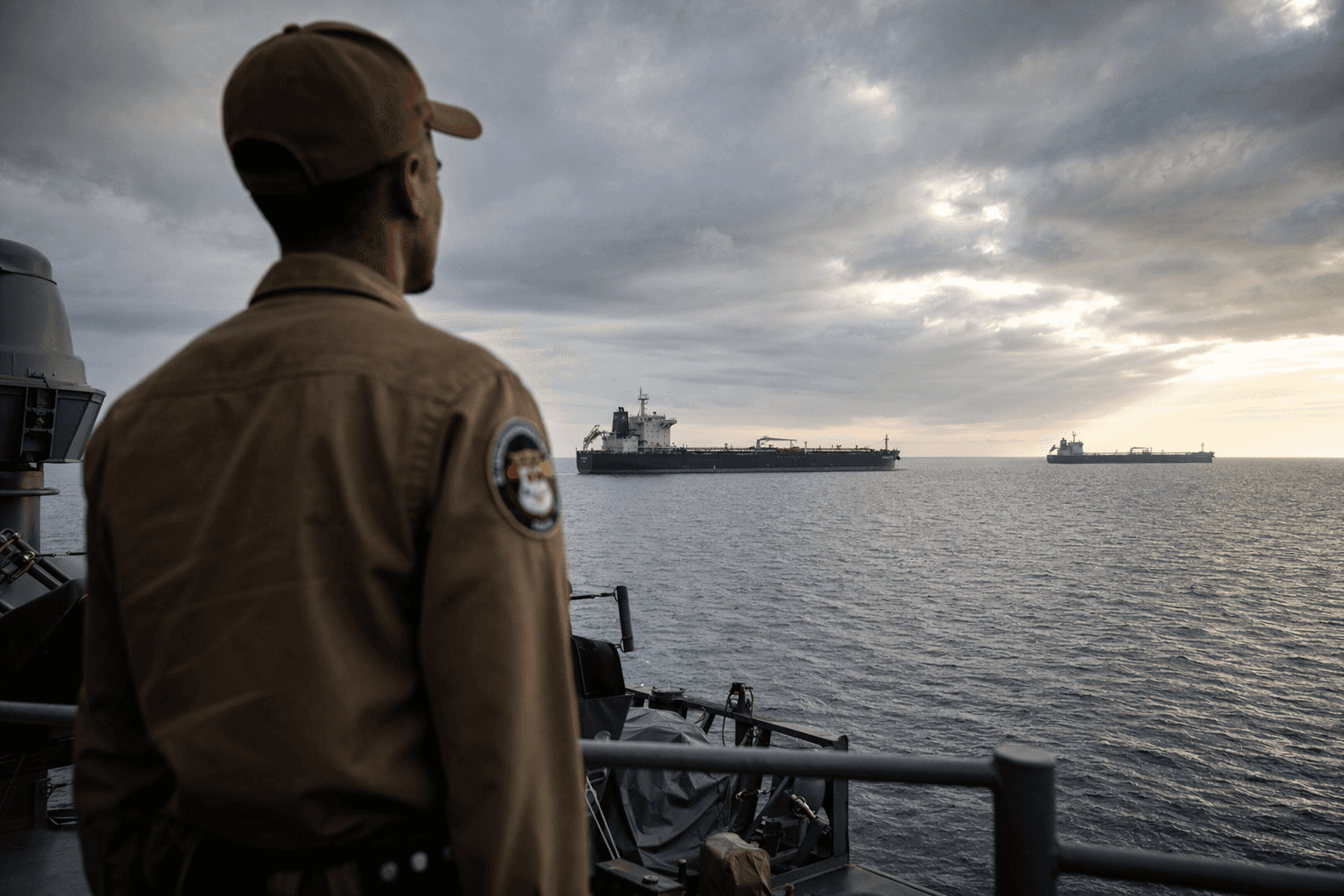
The White House has paused Project Freedom in the Strait of Hormuz for a short period, a sign that Washington is betting diplomacy can still outpace escalation in one of the world’s most dangerous waterways. Donald Trump said the move was meant to give negotiations with Iran time to work, and he said Pakistan asked for the pause while helping mediate the talks.
Project Freedom was meant to do more than move ships through a narrow channel. It was designed to deter attacks, seizures, and harassment in the Strait of Hormuz, where the U.S. and its partners have been trying to protect freedom of navigation after a surge of violence against commercial shipping. The U.S. State Department said the United States, Bahrain, Saudi Arabia, the United Arab Emirates, Kuwait, and Qatar drafted a United Nations Security Council resolution to defend that principle, while Secretary of State Marco Rubio said many nations had asked Washington to help restore safe passage there.
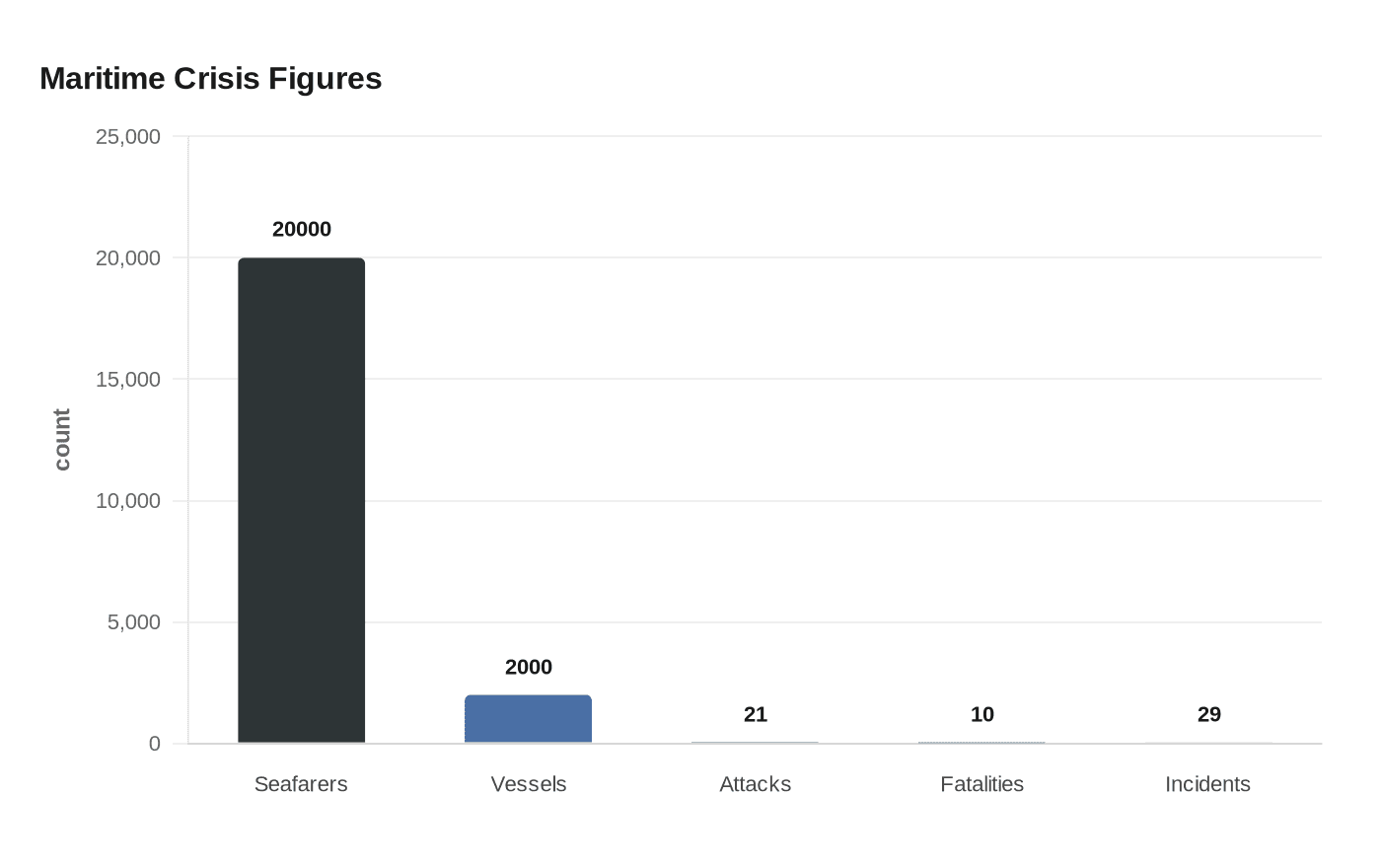
The stakes are immediate for crews already trapped in the region. The International Maritime Organization said about 20,000 seafarers remained aboard roughly 2,000 vessels in and around the Persian Gulf, unable to leave as several ships were seized or detained. The agency said there had been 21 attacks on commercial ships since February 28, 2026, with 10 seafarer fatalities and several injuries. It also reported 29 confirmed incidents in the Strait of Hormuz and the Middle East as of April 24, 2026, underscoring how quickly a maritime corridor can turn into a humanitarian crisis.
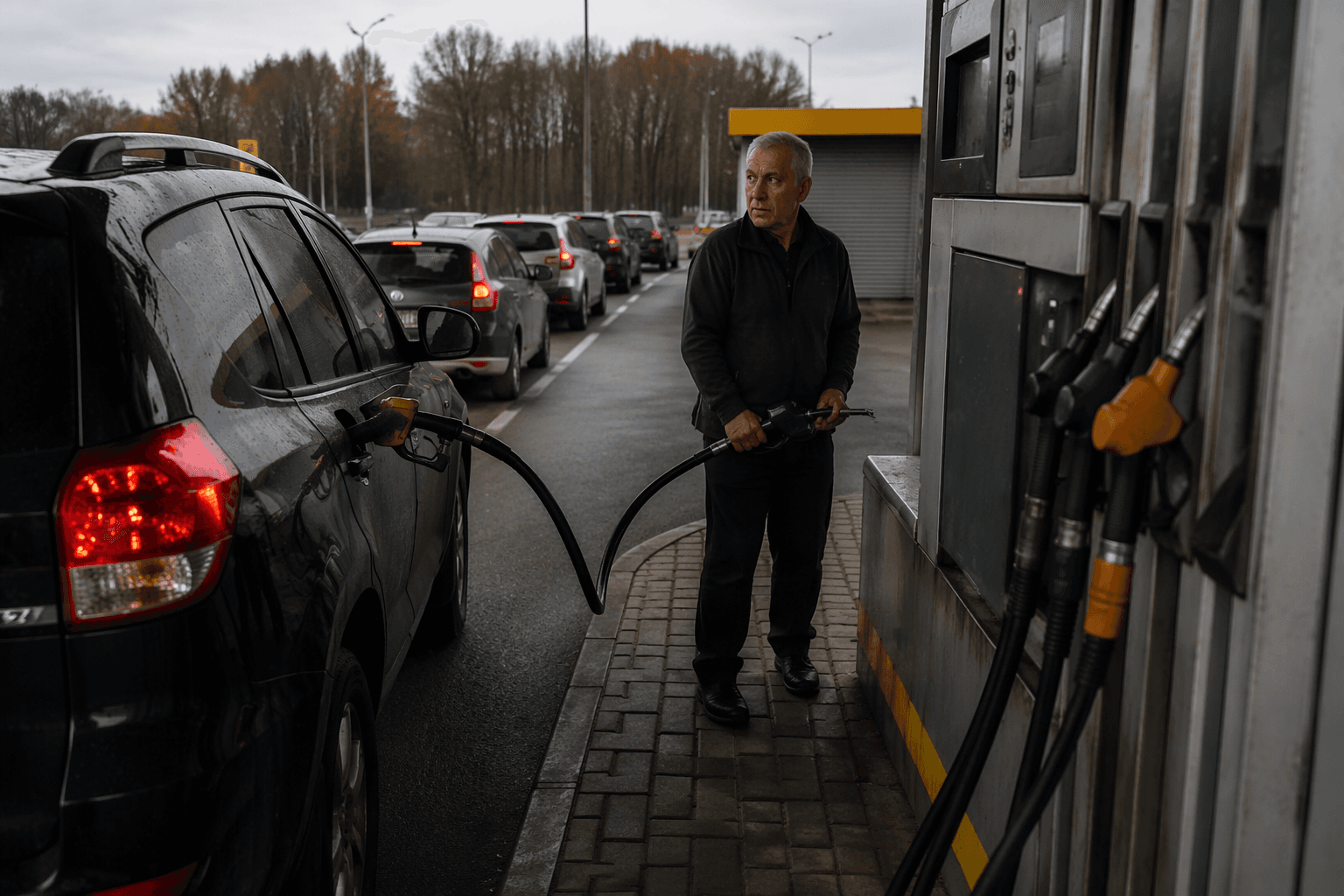
The economic shock has been just as stark. Oil prices jumped about 6% after attacks on United Arab Emirates targets and ships in the Middle East Gulf, a reminder that even a brief disruption in this chokepoint can ripple through shipping contracts, insurance costs, and fuel prices far beyond the Gulf. Another dispatch said traffic through the strait showed no sign of rebounding after Trump first announced the shipping effort, raising questions about whether a pause signals de-escalation, tactical repositioning, or a gamble that the ceasefire will hold.
That uncertainty sits at the center of the U.S. decision. CSIS has recently warned about the limits of American military power in the strait, and Mark F. Cancian, a senior adviser in its Defense and Security Department, has been weighing the military implications of the crisis. For now, the pause leaves Washington relying on diplomacy and allied restraint, with U.S. credibility tied to whether fragile calm can endure in a waterway that moves a major share of global oil and gas.
This article was produced by Prism’s automated news system from verified source data, official records, and press releases, then run through automated quality and moderation checks before publishing. The system is built and supervised by the people who set the standards it runs under. Read our full AI policy.
Did this article answer your question?