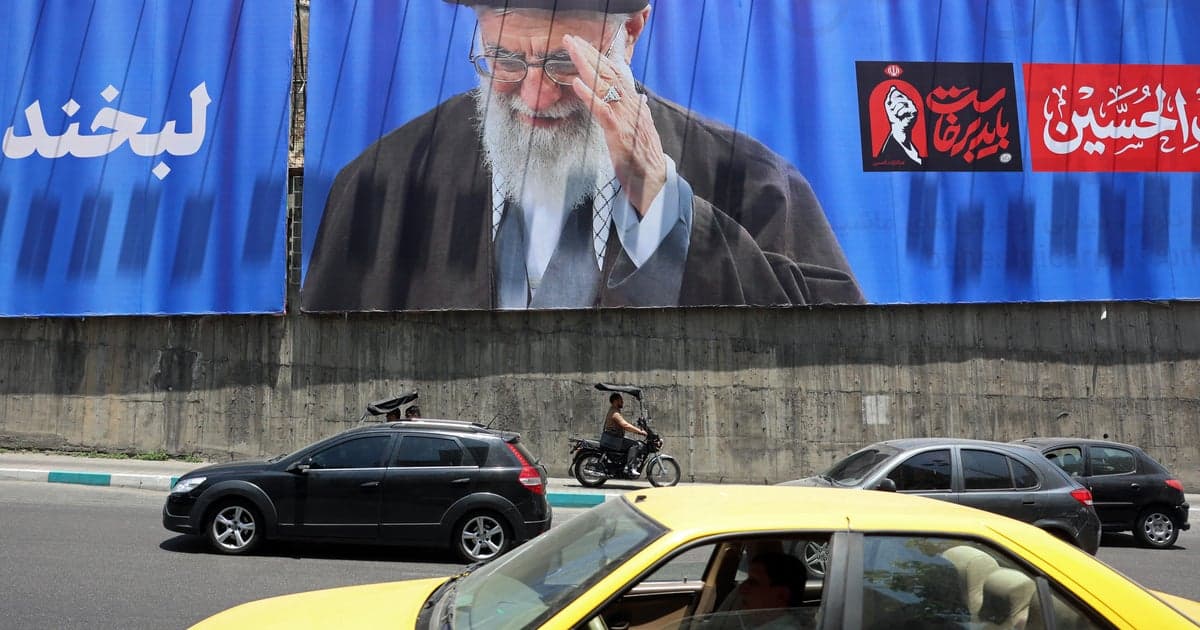
Trump threatens new Iran strikes as peace talks remain uncertain
Trump warned Iran of bombing "at a much higher level" as Tehran reviewed a U.S. peace plan, while oil and stocks moved on hopes the Strait of Hormuz could reopen.
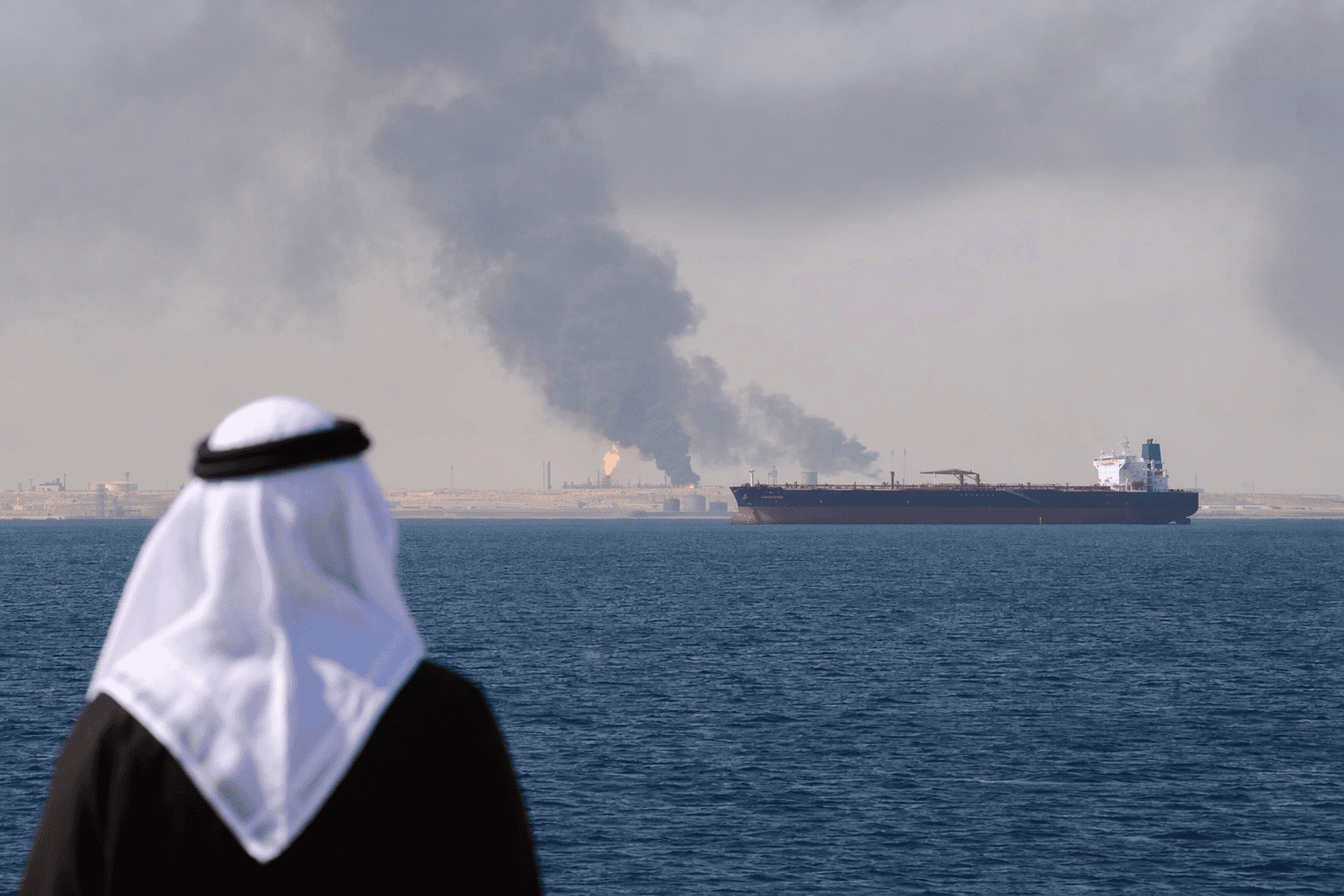
Donald Trump raised the stakes over Iran again on Wednesday, saying the country would be bombed “at a much higher level” if it did not agree to a peace deal. He said the war would end if Tehran accepted proposals that would reopen the Strait of Hormuz to all, a signal that the shipping lane at the center of the conflict remains the clearest economic and military pressure point.
The latest diplomacy moved on two tracks at once. A Pakistani government official said proposals to end the war were very likely in the coming days, while Iran’s Foreign Ministry said it was evaluating a 14-article U.S. peace proposal. Tehran also said it had received Washington’s response to its latest offer for peace talks through Pakistan. But Iranian Foreign Ministry spokesperson Esmaeil Baghaei drew a line under the immediate state of play, saying, “At this stage, we do not have nuclear negotiations.” That leaves the core question unresolved: whether talks can restart before the shooting and shipping attacks resume in force.
The gap between the two sides remains substantial. Washington wants Tehran to give up a stockpile of more than 400 kg, or 900 pounds, of highly enriched uranium, material U.S. officials say could be used to make a bomb. Iran says its nuclear program is peaceful and has signaled it may accept curbs only in exchange for sanctions relief, echoing the structure of the 2015 deal Trump abandoned. A possible framework cited in reports would pair an Iranian halt to enrichment with U.S. sanctions relief and eased controls on shipping through the Strait of Hormuz, but those terms remain contingent on a final agreement.
The military backdrop has stayed tense even with the ceasefire between the United States and Iran in place since April 7. That truce has looked fragile as Iran attacked U.S. forces helping commercial vessels transit the Strait of Hormuz and launched fresh strikes on the United Arab Emirates earlier this week. Israel was on heightened alert on May 1 and was bracing for talks to collapse as early as the start of the following week. Trump has also been briefed on military options by Adm. Brad Cooper, the head of U.S. Central Command, and U.S. officials were weighing additional pressure, including strikes on gas and energy facilities and other infrastructure.
Markets immediately registered the diplomatic opening. Oil prices fell sharply as the prospect of a deal improved, while U.S. stock futures, European equities and global sovereign bonds rallied. That reaction underscored how much rides on the next move from Tehran and Washington. If the uranium dispute and shipping restrictions cannot be bridged, the conflict could widen quickly, putting U.S. troops, Gulf infrastructure and civilian shipping back in the crosshairs.
This article was produced by Prism’s automated news system from verified source data, official records, and press releases, then run through automated quality and moderation checks before publishing. The system is built and supervised by the people who set the standards it runs under. Read our full AI policy.
Did this article answer your question?