Trump praises Russia and China, touts Iran deal to reopen Hormuz
Trump said a U.S.-Iran deal would reopen Hormuz and end the blockade, but Tehran’s signals and the route’s strategic risks left the terms unsettled.
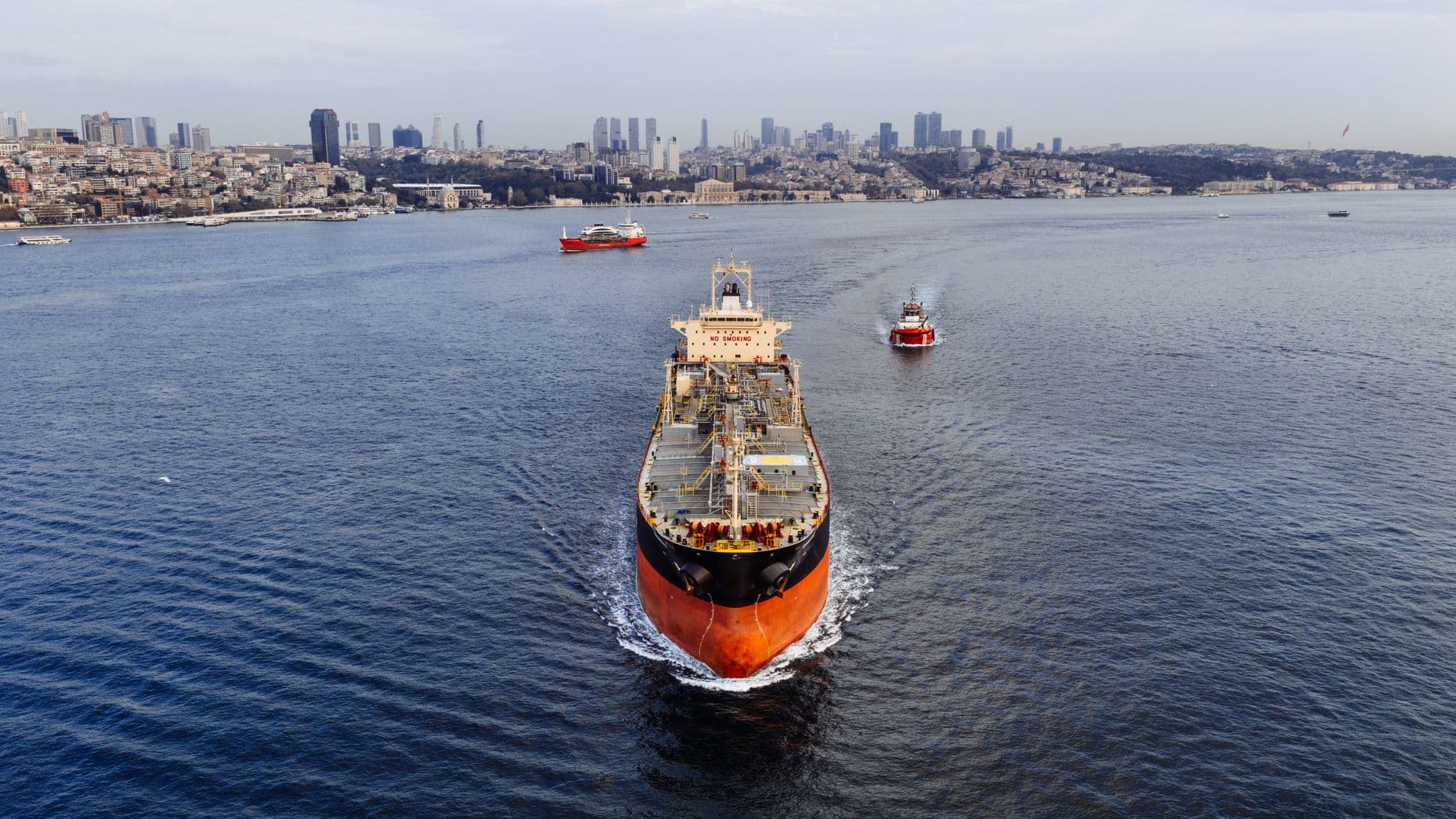
Donald Trump’s promise to reopen the Strait of Hormuz “toll free” ran straight into the harder question of how any deal would actually work. In a call with The New York Times, Trump praised Russia and China’s leaders, called Israel’s Prime Minister Benjamin Netanyahu “a very difficult guy,” and said a U.S.-Iran agreement would restore traffic through one of the world’s most important energy chokepoints.
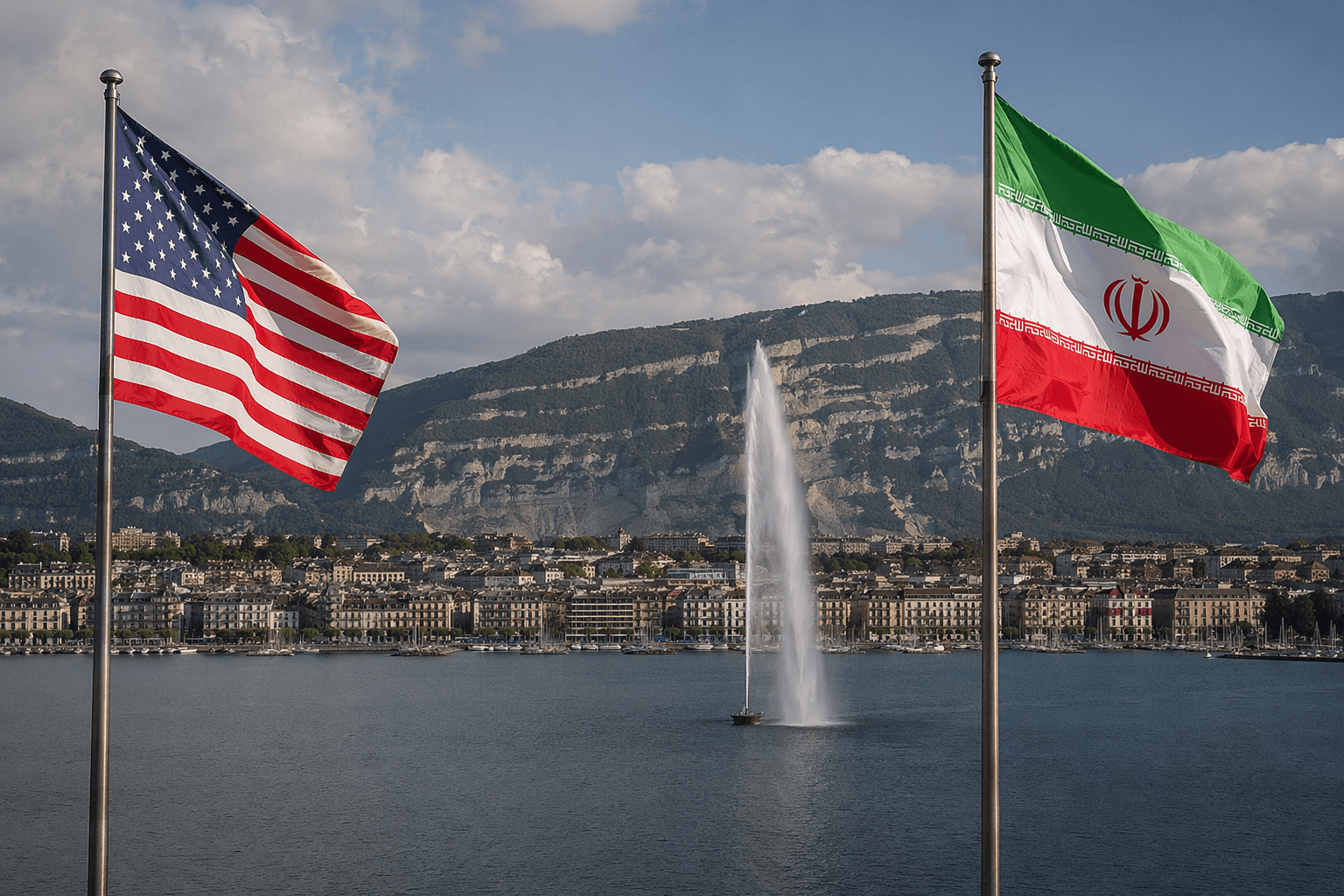
Trump posted on Truth Social that he had “fully authorize[d] the toll free opening of the Strait of Hormuz” and told “Ships of the World” to “start your engines” and “Let the oil flow!” He also said the U.S. and Iran had reached a deal and that it would be signed in Switzerland later in the week. Pakistan’s Prime Minister Shehbaz Sharif said the signing ceremony was expected Friday, while Iranian deputy foreign minister Kazem Gharibabadi said an agreement existed but that implementation would begin only after signing.
The stakes were immediate. Roughly 27% of the world’s maritime trade in crude oil and petroleum products passes through the strait, along with about 20% of global liquefied natural gas trade, according to Congressional Research Service material. Reuters reported that oil prices fell after the announcement, reflecting the market’s sensitivity to any sign that shipping could normalize. AP reported the strait had been effectively blocked for more than three months before the reported reopening.
Reuters also said more than 200 commercial vessels had recently been reported safely transiting the waterway with U.S. help, a sign that the flow of shipping had begun to recover even before any formal signing. That progress still depended on whether Iran, the U.S. and commercial operators treated the arrangement as durable, enforceable and safe enough to restore regular traffic.
The diplomatic backdrop was just as fraught. Earlier reporting said Trump had angrily called Netanyahu “crazy” during a dispute over Israeli strikes in Lebanon, underscoring how Iran diplomacy had widened tensions with Israel even as Trump tried to preserve the talks. Trump has also shifted tone before, saying in October 2025 that Netanyahu was “not the easiest guy” to work with. The result was a fragile alignment in which a potential breakthrough with Iran, pressure on shipping markets and Trump’s broader courtship of Russia and China all collided in a single announcement.
This article was produced by Prism’s automated news system from verified source data, official records, and press releases, then run through automated quality and moderation checks before publishing. The system is built and supervised by the people who set the standards it runs under. Read our full AI policy.
Know something we missed? Have a correction or additional information?
Submit a Tip